-

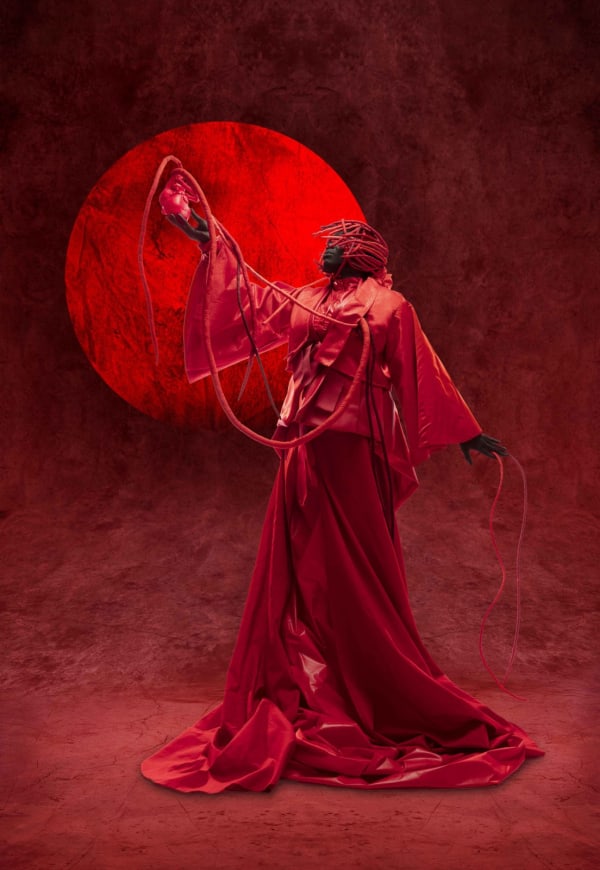
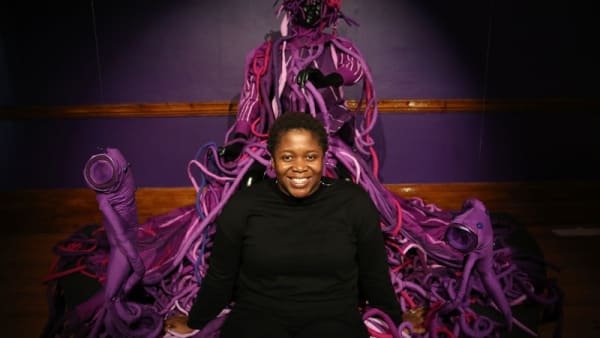
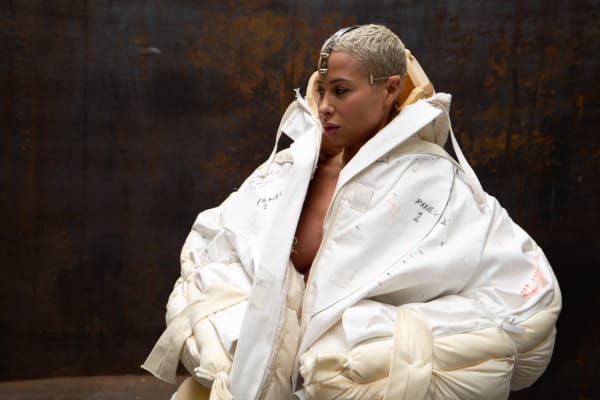
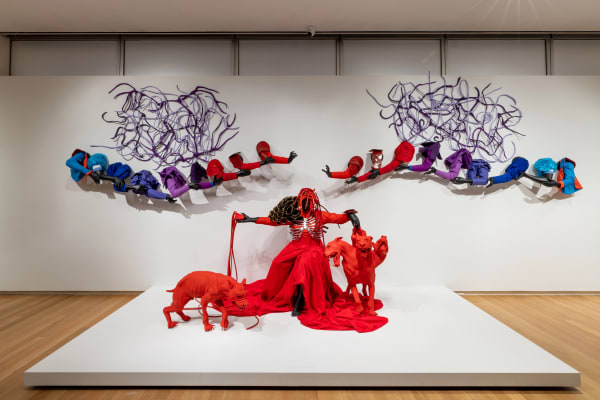
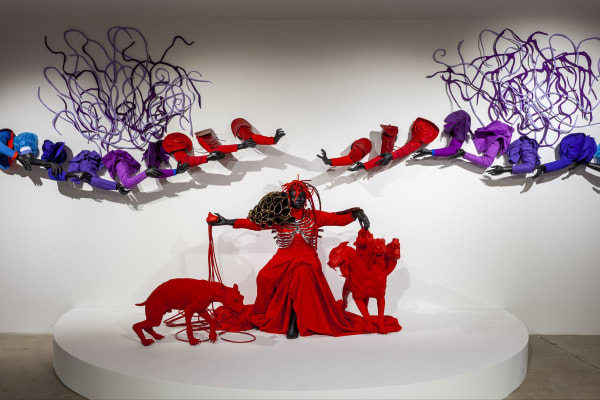
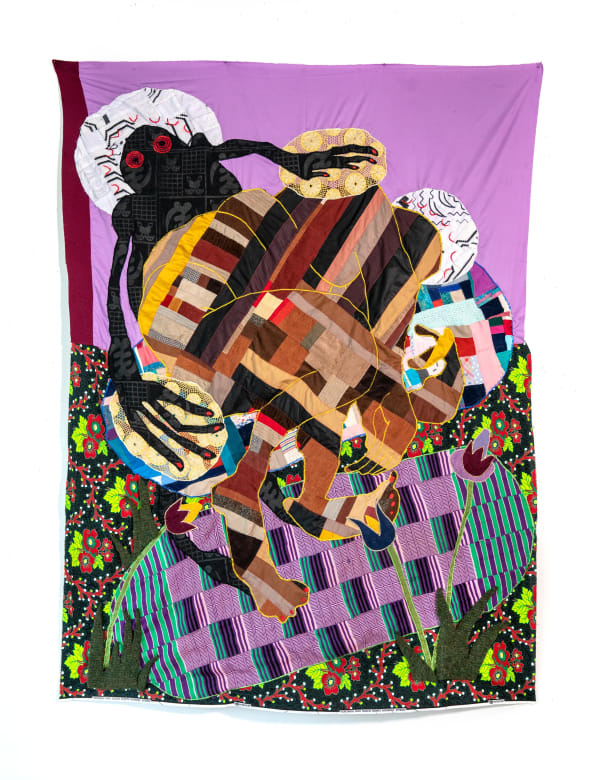
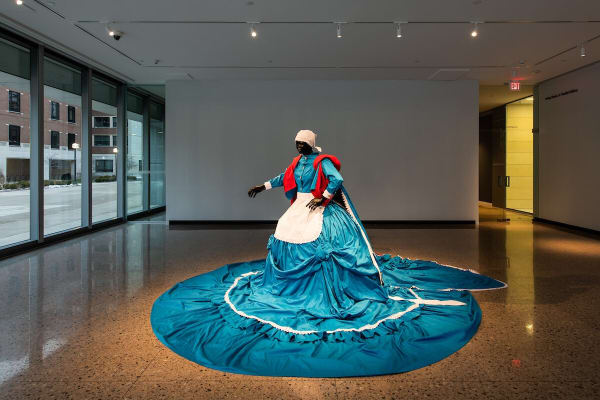
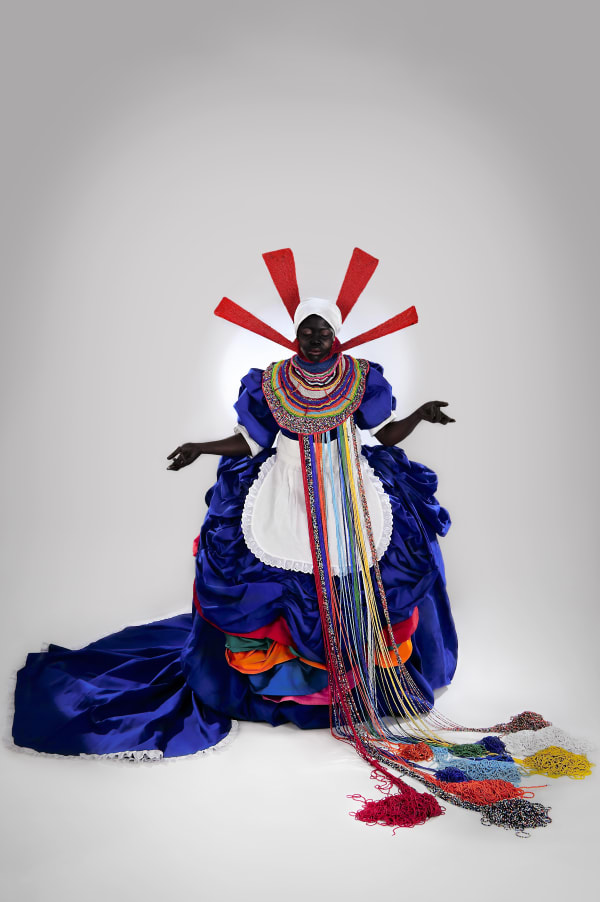
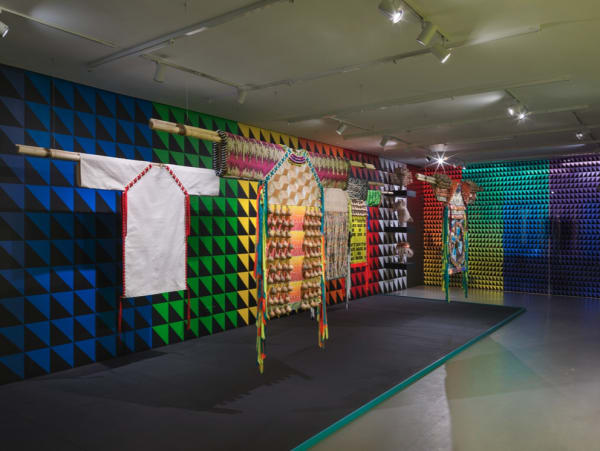
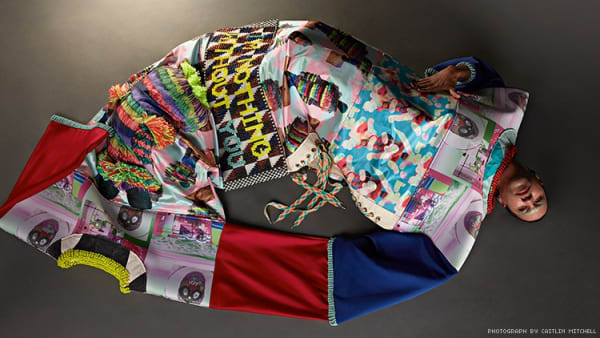
Mary Sibande: Is this the most political fashion item?
CNNCNN, June 26, 2025 -
Mary Sibande: Narratives in Focus
Meer ArtJune 20, 2025 -
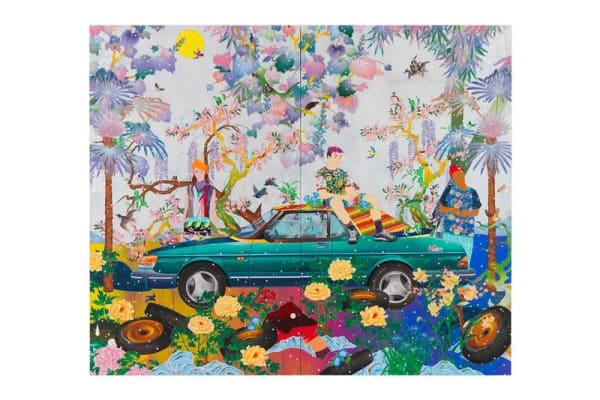
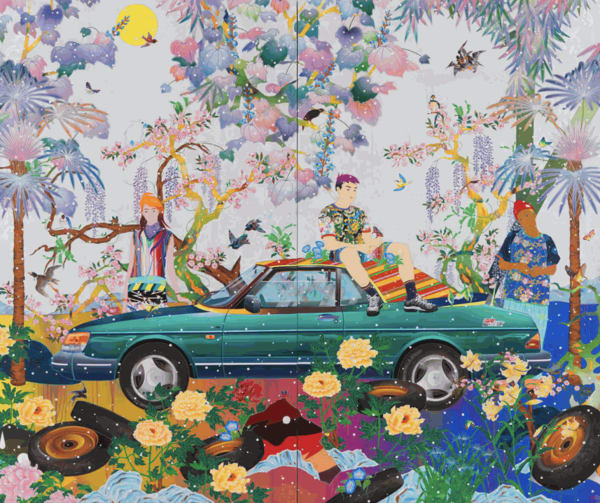
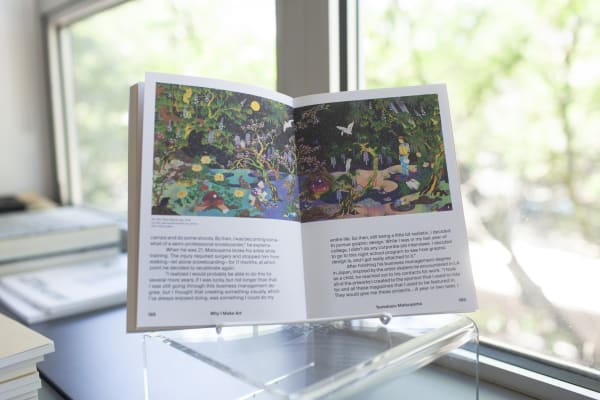
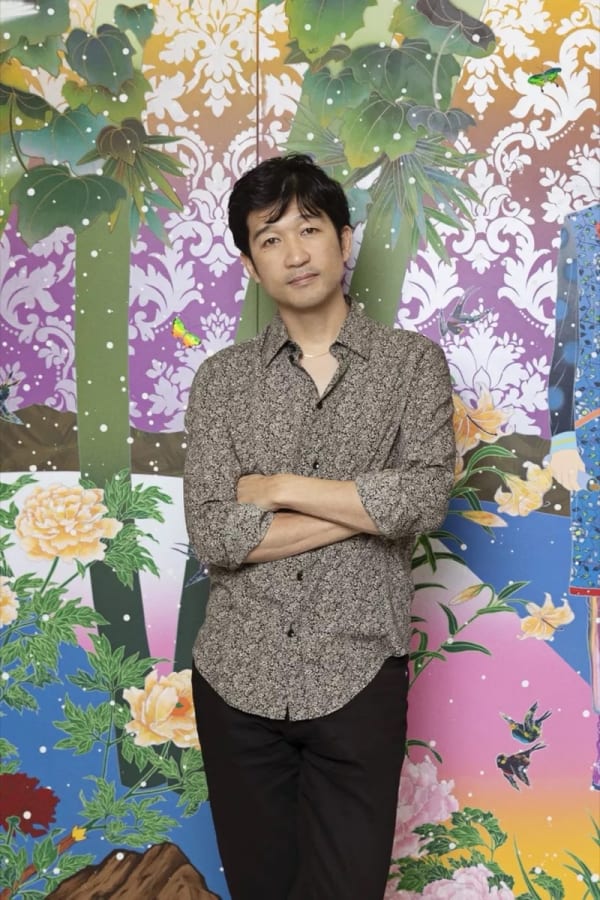
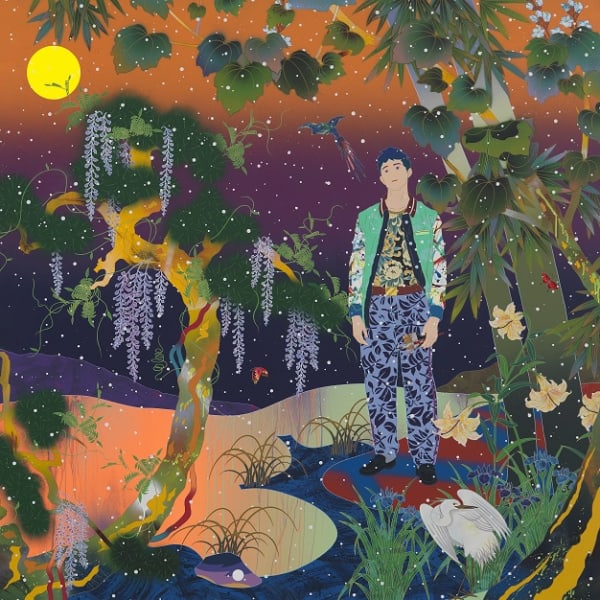
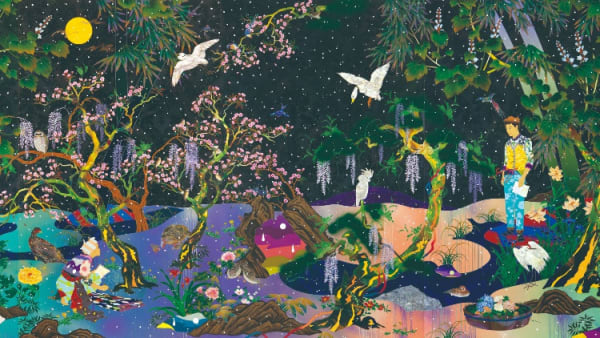
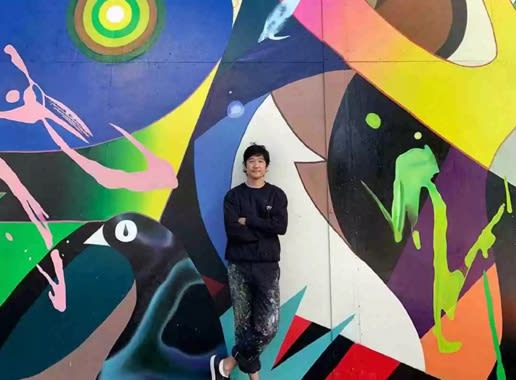
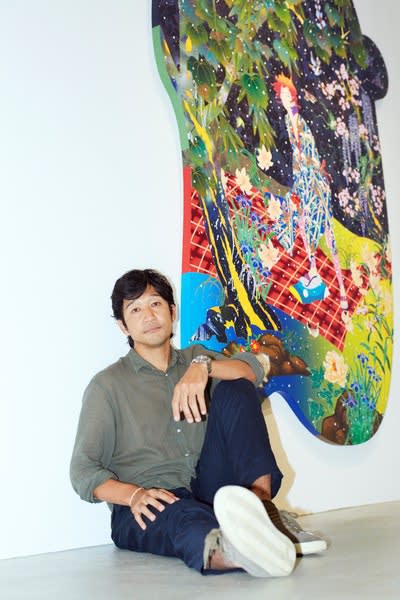
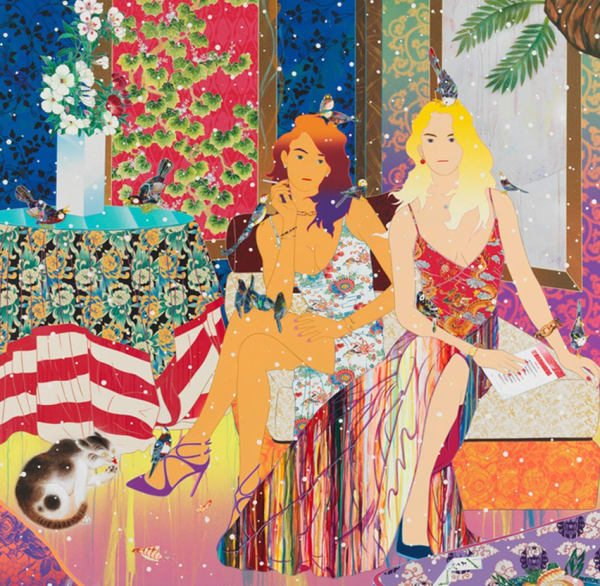
Tomokazu Matsuyama: Artist to Watch
Janelle Zara, Galerie Magazine, May 30, 2025 -
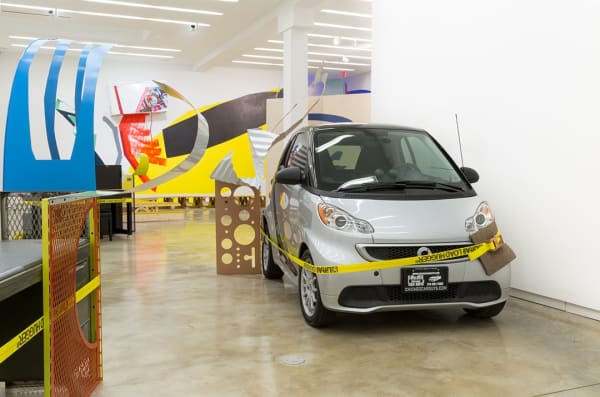
Mickalene Thomas: Designed Race Car Makes Miami Debut
Christina Only Evans, Galerie Magazine, May 1, 2025 -
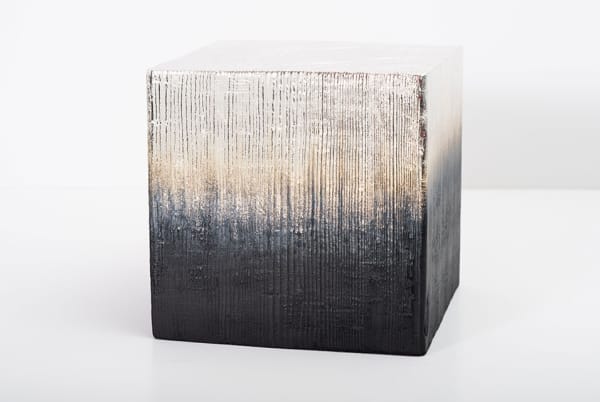
Miya Ando: Saint Laurent Rive Droite
Mark Westall , Fad Magazine, April 30, 2025 -
Tomokazu Matsuyama: Doubles Down on Decorative Density
Jaeyong Park , Frieze, April 22, 2025 -
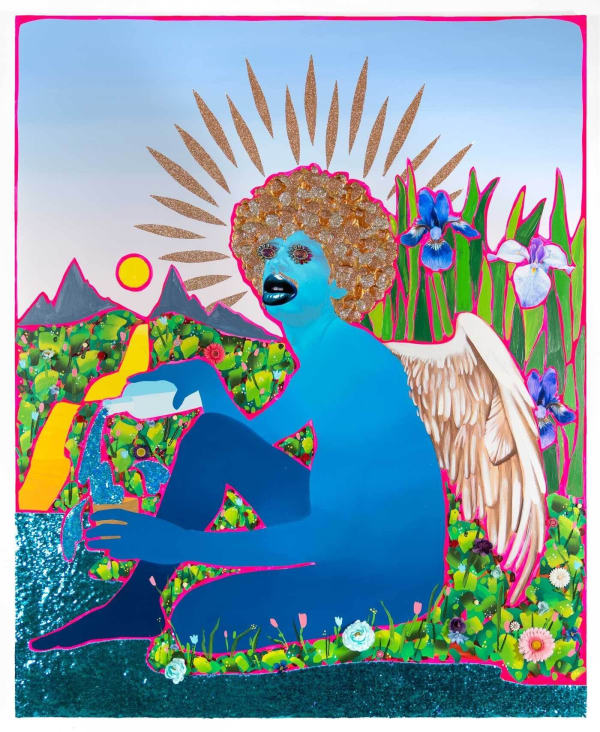
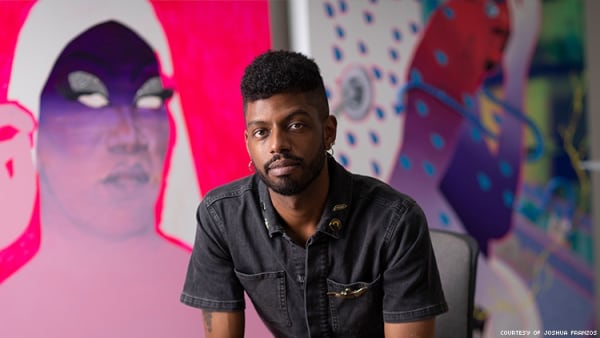
Devan Shimoyama: Hyperallergic
Ulrich Museum of Art, Hyperallergic, April 8, 2025 -
Mickalene Thomas: British Vogue
Funmi Fetto, British Vogue, March 30, 2025 -
Mickalene Thomas: IFPDA Print Fair’s Buzzy Opening
Natasha Gural, Forbes, March 29, 2025 -
Tomokazu Matsuyama: Azabudai Hills Gallery To Present ‘FIRST LAST’ Exhibition
Zoe Leung, Hypebeast, February 25, 2025 -
Tomokazu Matsuyama Is Headlining in L.A. With His Chameleonic Globalized Pop
Elisa Carollo, Observer, February 19, 2025 -
Willie Cole: SVA Featured Portfolio
Diana McClure, School of Visual Arts, February 15, 2025 -
James Little: Yale University Radio
Yale University, January 5, 2025 -
Mary Sibande: Top French honour
Times Live, November 19, 2024 -
James Little: Art Students League Honoree
Surface Magazine, November 8, 2024 -
Kavi Gupta: 5 Asian American Led Galleries Building Inclusive Art Communities
Artsy, May 21, 2024 -
Mickalene Thomas: Takes Los Angeles
Robin Pogrebin, The New York Times, April 26, 2024 -
Manuel Mathieu: Finds His Way Through Haitian History, on Canvas
Pierre-Antoine Louis, The New York Times, April 24, 2024 -
James Little: Gifts Painting to Syracuse Art Museum
Diane Stirling, Syracuse University News, March 8, 2024 -
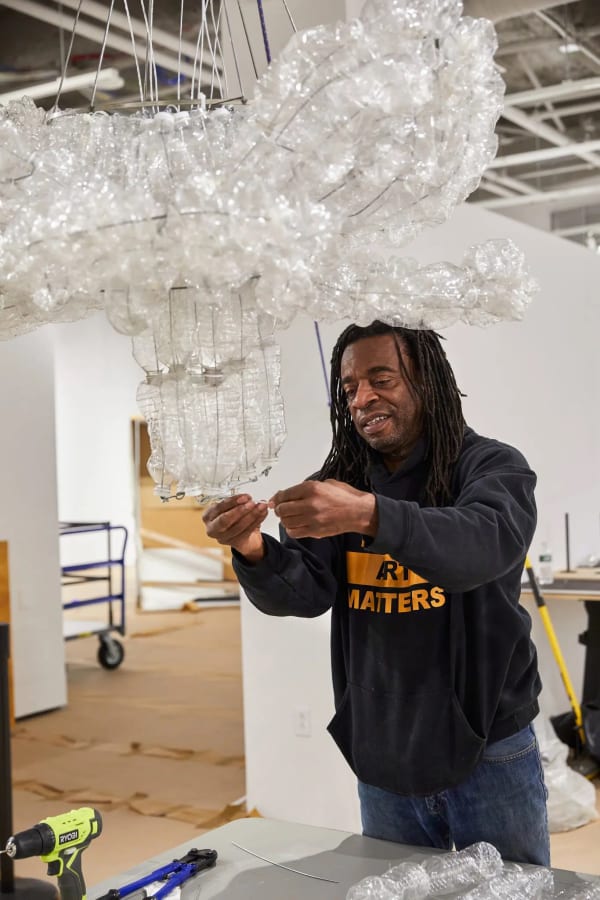
Willie Cole: Students Help Transform Recycled Bottles into Massive Masterpiece
Stephen Montoya, Fort Worth Magazine, February 23, 2024 -
Nikko Washington: South Side Artist’s Newest Paintings Sing The Praises Of Modern Deities and Black Athletes
Maxwell Evans, Block Club Chicago, January 10, 2024 -
Willie Cole Presents THE B-SIDES: 1989-2022 at Kavi Gupta Gallery
Shawn Ghassemitari, HypeArt, December 18, 2023 -
The Self-Liberation of Arghavan Khosravi
Hrag Vartanian, Hyperallergic, November 18, 2023 -
Devan Shimoyama, artist: ‘I have a desire to put more Black queer bodies or queer representation into the canon’
Álex Maroño Porto, El País, November 18, 2023 -
Nikko Washington: A Review of Rising Heroes at Kavi Gupta
Vasia Rigou, Newcity Art, November 8, 2023 -
Willie Cole: Fort Worth Students Prep Bottles for Art Project with World-Renowned Artist
Cristian ArguetaSoto, Fort Worth Report, October 31, 2023 -
James Little: Reinvigorating riverfront park in Memphis
The Art Newspaper, September 25, 2023 -
28 Must-See Exhibitions Opening Across the United States This Fall
Stephanie Sporn, Vogue, August 18, 2023 -
Arghavan Khosravi: The powerful feminist imagery of 'Black Rain'
Brandeis Now, August 17, 2023 -
Marie Watt: Hug a Jingle Cloud
Erin Joyce, Hyperallergic, August 16, 2023 -
Marie Watt: Sculpting Unity
Vasia Rigou, Reader, July 31, 2023 -
Willie Cole: Startland News
Channa Steinmetz, Startland News, July 28, 2023 -
10 Art Shows to See in Chicago This Summer
Zoë Lescaze , Hyperallegic, July 17, 2023 -
Miya Ando: Transforms New York’s Brookfield Place into a Botanical Wonderland Inspired by Japan’s 72 Micro-Seasons
Artnet Gallery Network, Artnet News, July 12, 2023 -
Arghavan Khosravi: Rose Art Museum Presents Black Rain
A.A. Cristi, Broadway World, June 26, 2023 -
Art Enlivens Chicago in the Summer Season at Kavi Gupta with Marie Watt and Esmaa Mohamoud
Vasia Rigou, Artnet News, June 23, 2023 -
Manuel Mathieu: Launching the first edition of the Marie-Solanges Apollon program
E-Flux, June 23, 2023 -
Jaime Muñoz: François Ghebaly
Art Daily, June 20, 2023 -
Willie Cole: Seeing America galleries at Newark Museum of Art represent a reckoning with the past
Tris McCall, NJARTS.NET, June 20, 2023 -
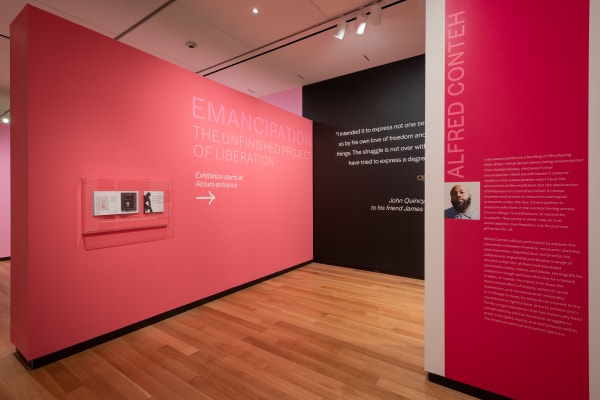
Alfred Conteh: How This Emancipation Exhibit Came To Life—And Where It’s Going Next
Carlene Olsen, Interior Design, June 16, 2023 -
Firelei Báez: Market 5 Artworks for Every Level of Collector at Art Basel
Anna Sansom, Art Net, June 15, 2023 -
Richard Hunt: Gifts Studio to Krasl | Will County Courthouse on National Register of Historic Places
Ray Pride , New City, June 15, 2023 -
Tony Tasset: Sculpture Milwaukee Celebration Week
Shepherd Express, June 13, 2023 -
Marie Watt: Sound, Dancing, Community And Healing At Kavi Gupta Gallery In Chicago
Chad Scott, Forbes, June 7, 2023 -
Devan Shimoyama: Tell Me now at The Contemporary Art Centre of Málaga
Art Daily , June 7, 2023 -
Mickalene Thomas: Celebrating Pride: LGBTQ+ Artists to Know
The Smithsonian Magazine , June 5, 2023 -
Devan Shimoyama: A Queer Arcanum, Exhibits at the CAC
Regina Sotorrío, SUR, June 2, 2023 -
Mickalene Thomas: Representation of Black Women Artists in the Best Contemporary Art Museums
Adil Husnain, Film Daily , June 1, 2023 -
Angel Otero: Puerto Rican artist on Fusing Abstraction and Surrealism, for Hong Kong exhibition
Aaina Bhargava, Tatler, May 31, 2023 -
Angel Otero: Solo Exhibition and Artist talk at Hauser & Wirth Hong Kong
Martin Cid Magazine, May 31, 2023 -
Alfred Conteh: Riverfront Museums welcomes key Atlanta painter who’s looking for next muse
25 News , May 27, 2023 -
Mary Sibande: Self and Solidarity at the Sharjah Biennial 15
Sharjah Art Foundation, May 26, 2023 -
Jeffrey Gibson: Performance and Objecthood in Native North American Contemporary Art
Candace Hopkins , Bard University, May 26, 2023 -
Firelei Báez: Art Basel Conversations
Art Basel , May 26, 2023 -
Firelei Báez: Chorus of the Deep
Rebecca Rafferty, City Magazine, May 26, 2023 -
Deborah Kass: Art in Embassies 60th Anniversary Celebration in Lisbon
U.S Embassy and Consulate in Portugal. , May 26, 2023 -
Beverly Fishman: Something For the Pain
Jason Stopa, The Brooklyn Rail, May 24, 2023 -
Rewind Collective: World of Women’s Artfest Reminds Web3 of the True Value of Community
Eric James Beyer , NFT NOW, May 24, 2023 -
Deborah Kass: A More Perfect Union: American Artists and the Currents of our Time
The United States Department of State, May 18, 2023 -
Mickalene Thomas: New Scholarship Will Support MFA students at Yale
Hilarie M. Sheets, The Art NewsPaper, May 17, 2023 -
Beverly Fishman: What to See in N.Y.C. Galleries in May
Holland Cotter, Jillian Steinhauer, Martha Schwendener, Seph Rodney, Travis Diehl, Will Heinrich and Max Lakin, The New York Times, May 17, 2023 -
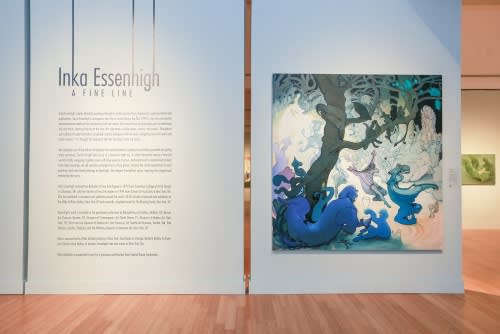
Inka Essenhigh: Creates Luminous, Ethereal Landscapes From Buckets of Paint and Coffee
Katie White, ArtNet, May 16, 2023 -
Beverly Fishman: Something For The Pain
ARTNET, May 16, 2023 -
Roxy Paine: Node Sculpture Worth Seeing In Person
Tony Bravo, DATEBOOK, May 13, 2023 -
Mickalene Thomas: How Motherhood Has Impacted Their Work
Sarah Harrelson, CULTURED , May 13, 2023 -
Tomokazu Matsuyama: Episodes Far from Home
Jacopo Nuvolari, 1883 Magazine , May 11, 2023 -
Marie Watt: Meet the Native Women Artists Claiming Their Place in New York
Devorah Lauter, CULTURED, May 10, 2023 -
James Little: Beyond the Tangible
Community News , May 10, 2023 -
Allana Clarke: Addresses Hair Trauma Through Her Work With Weave Glue
Keyaira Boone , ESSENCE , May 8, 2023 -
Allana Clarke: Creates Singular Sculptures in Pursuit of Black Futurity
Jen Torwudzo-Stroh, New City Art, May 8, 2023 -
Firelei Báez: MoMA Reinterpreting Latin America's Colonial History
Buenos Aires Times, May 5, 2023 -
Allana Clarke, Esmaa Mohamoud: in Chicago Lowdown: Best Exhibitions Over EXPO ART WEEK and Beyond
Casey Carsel , Ocula, May 2, 2023 -
Mickalene Thomas on Monet, Mentorship
Jack Nevins , Interview Magazine , May 2, 2023 -
Tomokazu Matsuyama: Seven Top London Art Exhibitions For Spring 2023
Joanne Shurvell, Forbes, April 28, 2023 -
Mickalene Thomas: Inside The 2023 Brooklyn Artists Ball Made Presented By Dior
Bianca Gracie, Gotham, April 28, 2023 -
Esmaa Mohamoud: Reflecting Black: A Review of Let Them Consume Me In The Light at Kavi Gupta
Vasia Rigou, New City Art , April 28, 2023 -
NEW YORK-BASED JAPANESE ARTIST TOMOKAZU MATSUYAMA OPENS FIRST EXHIBITION WITH ALMINE RECH
Mark Westall, Fad Magazine , April 27, 2023 -
Roxy Paine: The Node Sculpture
Julie Zigoris, The San Francisco Standard, April 26, 2023 -
Making and Giving Space with Firelei Báez
Smithsonian , April 26, 2023 -
Choctaw-Cherokee Artist Jeffrey Gibson Shows Us His Hudson Studio, Where He Riffs on Native American Iconography
Katie White , ArtNet News, April 25, 2023 -
Mickalene Thomas: Their Most Important Work
Stephen Mooallem, Harpers Bazaar , April 24, 2023 -
Roxy Paine: 102-Foot Steel Sculpture Installed at San Francisco Muni Station
ABC 7 News, April 24, 2023 -
Suchitra Mattai in EXPO CHICAGO 2023: Build Community, Celebrate Diversity
Jan Garden Castro, White Hot Magazine , April 24, 2023 -
Theaster Gates: Recipient of 2023 Benefit and Isamu Noguchi Award
Isamu Noguchi Museum , April 23, 2023 -
Roxy Paine: S.F.’s new tallest sculpture
Sam Whiting , Datebook, April 23, 2023 -
Kennedy Yanko: Humming on Life Exhibitions
Micheal Wolf, White Hot Magazine Of Contemporary Art , April 22, 2023 -
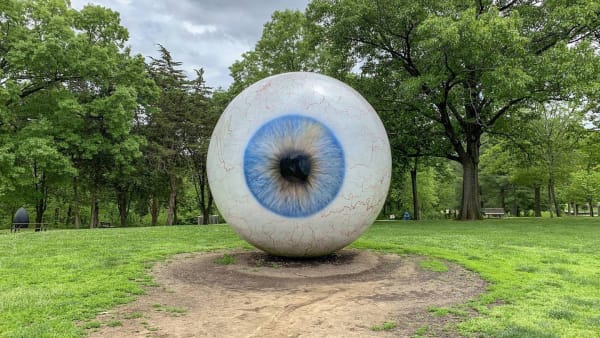
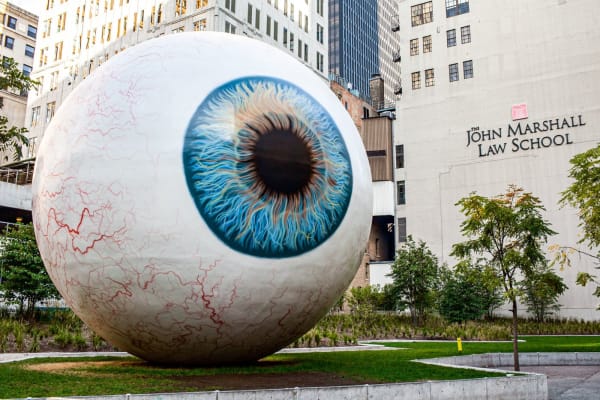
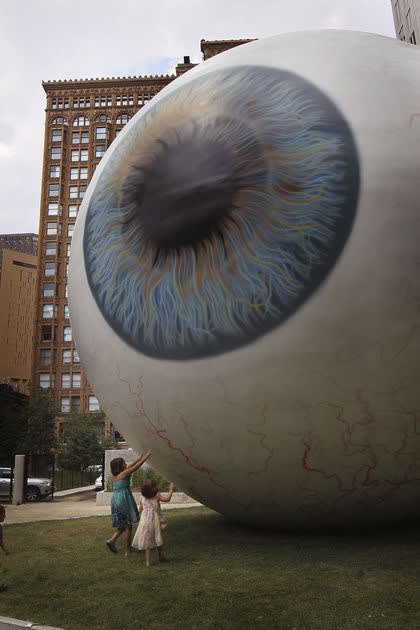
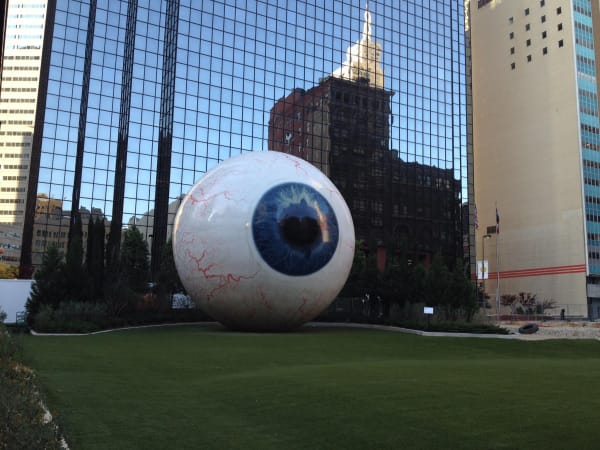
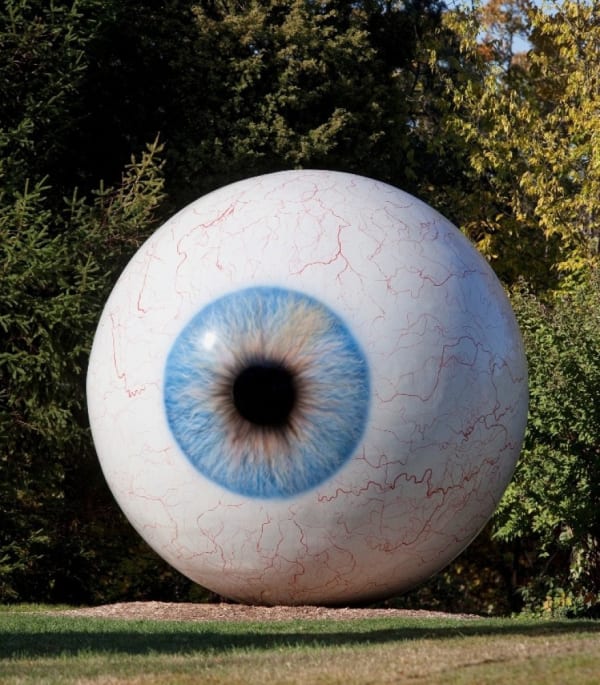
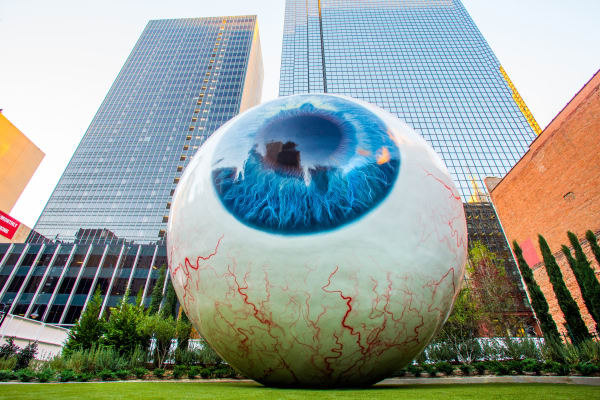
Tony Tasset: The Eye for the Dallas Art Fair
David Seely, Dallas Innovates, April 21, 2023 -
Honoring Richard Hunt: First Lady MK Pritzker Opens Her Door to Illinois' Cultural Community
Illinois.Gov, April 20, 2023 -
Mickalene Thomas: Dressed Up for the New Museum Spring Gala
Zachary Zchwartz, VOGUE, April 18, 2023 -
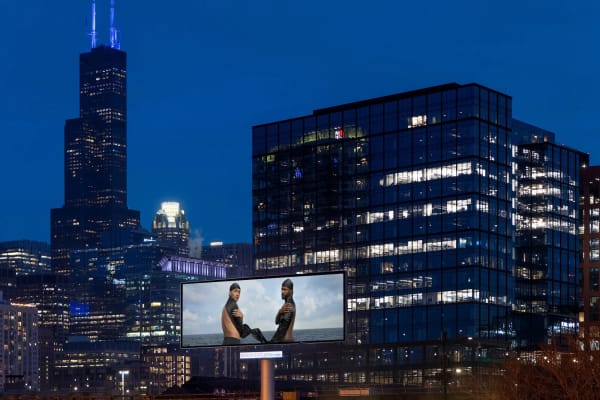
Esmaa Mohamoud: Finding billboards
Nicky Ni, CHICAGO READER, April 15, 2023 -
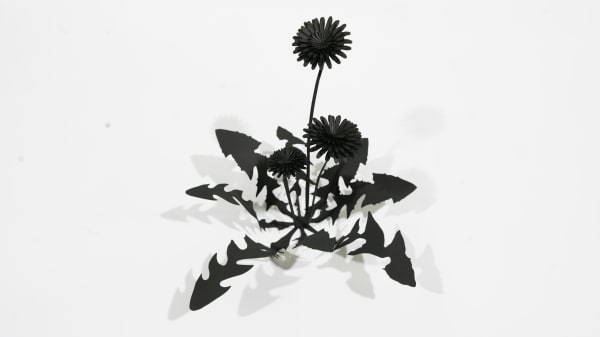
Esmaa Mohamoud Finds New Understandings of Blackness in Dandelions and Cadillacs
Daniel Cassady, Art News, April 14, 2023 -
Kavi Gupta: Strong First-day at Expo Chicago
Justin Barbin, The Art Newspaper , April 14, 2023 -
Tomokazu Matsuyama Unveils Episodes Far From Home Exhibition
Mickey Phoon, Trend Hunter, April 13, 2023 -
Kavi Gupta: The Best Shows to See in Chicago Right Now
Lisa Yin Zhang, FRIEZE, April 13, 2023 -
Mickalene Thomas: The Met Museum For YoungArts Gala
Nadja Sayej, Forbes, April 12, 2023 -
Devan Shimoyama in BMA’s New ‘The Culture’ Hip-Hop Exhibit
Grace Hebron, Baltimore, April 12, 2023 -
Esmaa Mohamoud: EXPO Chicago 2023 Is An Indoor-Outdoor Art Extravaganza
Jessica Klingelfuss, Wallpaper*, April 12, 2023 -
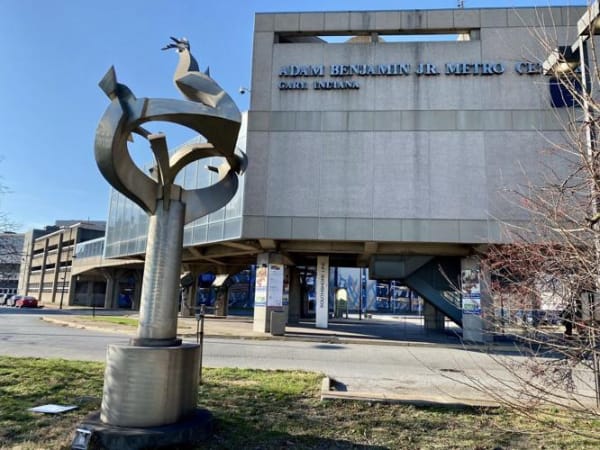
Richard Hunt Sculpture at The Paint Gary Public Art
Joseph S. Pete, NWI Times, April 11, 2023 -
Miya Ando in Kyoto Journal 104: Flora & Fauna
-
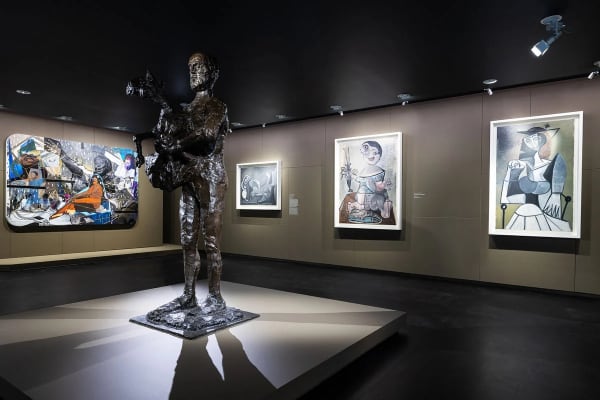
Mickalene Thomas in 10 Artists on Picasso’s Enduring, Confounding Influence
Jason Farago, Will Heinrich, Roberta Smith and Yinka Elujoba, The New York Times, April 7, 2023 -
Jeffrey Gibson: The Frist Gala’s Electric Featured Artist Is One to Watch
Zoe Yarborough, April 6, 2023 -
Amon Carter’s Emancipation Artists Discuss How Art Helps Us Reckon With History
Samantha Guzman, Dallas News, April 6, 2023 -
Race in America: Giving Voice with Mickalene Thomas
Washington Post Live, April 6, 2023 -
Esmaa Mohamoud: EXPO Fab Five
Web Behrens, Chicago Magazine, April 6, 2023 -
Willie Cole: MOMA’S BLACK ARTS COUNCIL ESTABLISHES MILLION DOLLAR ENDOWMENT FOR FUTURE WORKS FROM BLACK ARTISTS
Ebony, April 6, 2023 -
Works by Jeffrey Gibson: Visiting Artist in Residence at Bard
Bard, April 5, 2023 -
Tomokazu Matsuyama Presents: Episodes Far From Home
Shawn Ghassemitari, Hype Art, April 5, 2023 -
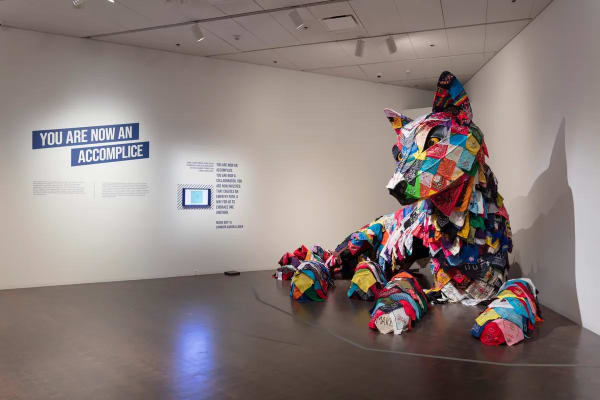
How I Made This: Marie Watt and Cannupa Hanska Luger’s Crowdsourced She Wolf
Julia Travers, ArtNews, March 30, 2023 -
Mickalene Thomas: ‘Monumental’ Mural Honors Pioneering Namesake
Susan Gonzalez, Yale University News, March 29, 2023 -
Mickalene Thomas On Capturing Black Female Beauty in Visual Art
Washington Post Live, The Washington Post, March 29, 2023 -
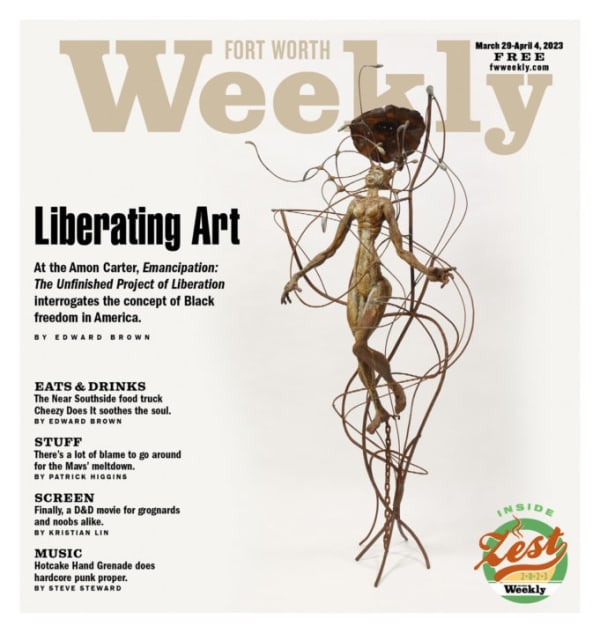
Alfred Conteh: Liberating Art
Edward Brown, FW Weekly, March 29, 2023 -
Mickalene Thomas and Willie Cole: Collection shows first illustrated Contemporary African American Art
University of Georgia , March 26, 2023 -
Manuel Mathieu: AWARD FOR BEST SHORT FILM PENDULUM
LeFifa , March 23, 2023 -
Alfred Conteh in Top Five: March 23, 2023
Glasstire, March 23, 2023 -
Beverly Fishman: 150 Metro Detroit artists on display in Corktown
Myesha Johnson, Detroit News, March 19, 2023 -
Alfred Conteh: Seven artists confront America's "unfinished emancipation" at the Amon Carter in Fort Worth
Galilee Abdullah, KERA NEWS, March 16, 2023 -
Devan Shimoyama | BOMB
Jeffrey Gibson, BOMB Magazine, March 15, 2023 -
Mickalene Thomas: Musée Picasso Paris Paul Smith to Reinstall Its Permanent Collection to Dazzling Effect
Sarah Belmont, Art News, March 14, 2023 -
Alfred Conteh: 3 ARTISTS FROM 'EMANCIPATION: THE UNFINISHED PROJECT OF LIBERATION' SHARE THEIR WORK
Ebony, March 13, 2023 -
Esma Mohamoud: OVERRIDE | A BILLBOARD PROJECT
TENTH EDITION DATES APRIL 3—23, 2023, EXPO Chicago, March 10, 2023 -
Willie Cole: Artist turns ‘waste into beauty’ to highlight water issues
Melisa Rose Cooper , NJ Spotlight News, March 9, 2023 -
Deborah Kass x Alice and Olivia Collab
Danielle Wightman-Stone, Fashion United UK, March 8, 2023 -
Firelei Báez: Ethics in Public Art
Mon. Mar 13, 2023 6:30pm - 7:30pm EDT, The New York Public Library , March 7, 2023 -
Jeffrey Gibson’s Ecstatically Colorful Sculptures Fuse Modernist Aesthetics and Indigenous Traditions
Kate Mothes, Colossal , March 6, 2023 -
Inka Essenhigh: 15 Landscape Artists You Need On Your Walls
Kristy Bowen, House Digest , March 6, 2023 -
Jeffrey Gibson featured in How one Seattle Art Museum Staffer Adds a Personal Pouch to Museum- Going
Jerald Pierce, The Seattle Times, March 2, 2023 -
Inka Essenhigh in New Generation of Transcendental Painters
Salomé Gómez-Upegui, Artsy, February 28, 2023 -
Willie Cole Guest Speaker at the Inaugural Art Lecture Series
The Glimer Mirror, February 27, 2023 -
Mickalene Thomas: 13 Contemporary Black Artists on Identity and Artistic Evolution from the CULTURED Archives
CULTURE Magazine , February 24, 2023 -
Willie Cole’s Ecological Interventions Turn Trash Into Art
Laura van Straaten, The New York Times, February 23, 2023 -
Jeffrey Gibson in The Future Past: Artists in Conversation
Portland Mecury, February 23, 2023 -
Mickalene Thomas: Set to Jury the 2023 Edition of the AXA Art Prize US
AXA XL, Cision PR News, February 21, 2023 -
Mickalene Thomas: The "Universe of Pop” Arrives on the Gold Coast
Ella Sangster, Harpers Bazaar, February 21, 2023 -
Mary Sibande: Africa’s Largest Contemporary Art Fair Turns 10
Michael Irwin, Ocula, February 16, 2023 -
Mickalene Thomas in The World Premiere Exhibition, Pop Masters: Art from the Mugrabi Collection
HOTA, February 16, 2023 -
Suchitra Mattai: The Best Booths at LA’s Felix Art Fair, From Biting Art World Commentary to Innovative Approaches to Te
Maximilíano Durón, ArtNews, February 16, 2023 -
Jeffrey Gibson in The future past: Native American Artists in Conversation
Jarrette Werk, Underscore News/Report For America, February 13, 2023 -
James Little: Contextualizing Black Exceptionalism: Black Stars & White Paintings at Kavi Gupta
Vasia Rigou, New Art City, February 9, 2023 -
Mickalene Thomas in A New Art Exhibit Explores the Radicalism of Rest
Scarlett Newman , Harpers Bazaar, February 7, 2023 -
Willie Cole in On Your Radar: Portraiture at the Met, Marjorie Strider, and Meret Oppenheim at MoMA
Sandra Bertrand, High Brow Magazine, February 6, 2023 -
Mickalene Thomas in the BROOKLYN MUSEUM 2023 BROOKLYN ARTISTS BALL
The City Life , February 1, 2023 -
Willie Cole the Newark Artist Transforms 6,000 Water Bottles Into 'Chandeliers'
Carrie Stetler, Rutgers University Newark News , February 1, 2023 -
Meeting Miya Ando: “My art is a response to the zeitgeist.”
Coco Dolle, White Hot Magazine, January 31, 2023 -
Richard Hunt: Monumental the Exhibition Catalogue
The Kaneko , January 27, 2023 -
Jeffrey Gibson in Review: Justin Peck Runs Out of Steam in Copland Dance Episodes
Gia Kourlas, The New York Times, January 27, 2023 -
Mickalene Thomas: Paris Haute Couture Week SS23: The must-see moments
Anna Solomon, Luxury London, January 27, 2023 -
Jeffrey Gibson: New York City Ballet Takes a Modern Turn
JENNA ADRIAN-DIAZ, Surface Mag, January 26, 2023 -
Dior Collaborates with Artist Mickalene Thomas
ALISON S. COHN, Harper's Bazaar, January 24, 2023 -
Mickalene Thomas: Dior Couture Spring 2023: An Ode to the Artist
Tyler McCall, W Magazine, January 23, 2023 -
Mickalene Thomas: Dior’s SS23 Haute Couture Collection Celebrates Notable Black And Mixed-Race Women
Allyson Portee, Forbes, January 23, 2023 -
Mickalene Thomas: DIOR HAUTE COUTURE SPRING-SUMMER 2023 IS A DELICATE EMBRACE
ANNA MONTAGNER, V Magazine, January 23, 2023 -
Mickalene Thomas & Christian Dior: SPRING 2023 COUTURE
SARAH MOWER, Vogue, January 23, 2023 -
Mickalene Thomas: Dior revives the spirit of Josephine Baker as its catwalk guiding light
Jess Cartner-Morley, The Guardian, January 23, 2023 -
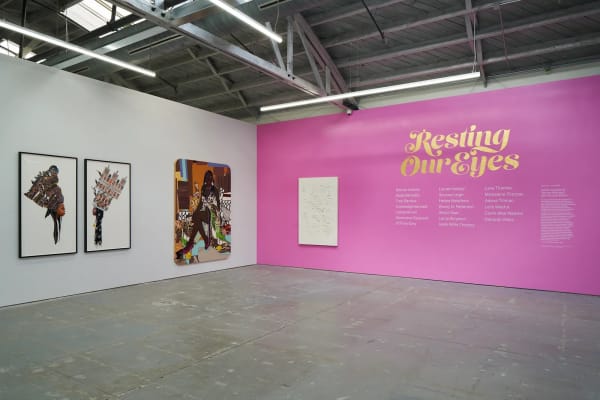
Mickalene Thomas: Leisure, Adornment, and Beauty Are Radical Acts in “Resting Our Eyes”
ALLISON SCHALLER, Vanity Fair, January 20, 2023 -
Clare Rojas in What Can Art Do for Women
Lauren Moya Ford, HYPERALLERGIC, January 19, 2023 -
Mickalene Thomas: Resting Our Eyes Exhibition Considers the Radical Act of Leisure for Black Women
Maxine Wally, W Magazine, January 19, 2023 -
Mickalene Thomas: Ten Black artists imagine the freedom of leisure at ICA San Francisco’s “Resting Our Eyes” exhibition.
Shaquille Heath, The Cut, January 19, 2023 -
Roxy Paine: On deep time and material poetics
As told to Greg Lindquist, Artforum, January 18, 2023 -
Miya Ando & Suchitra Mattai: 6 Art Exhibitions in Chicago to Check Out Right Now
Xiao Faria daCunha, Urban Matter, January 16, 2023 -
Kavi Gupta: Expo Chicago Names More Than 170 Exhibitors for 10th Anniversary Edition in April
Maximilíano Durón, ArtNews, January 12, 2023 -
Global Audiences Join Kavi Gupta in Singapore for ART SG
January 12, 2023 -
Works by Artist and Activist Theaster Gates
Jacoba Urist, ArtNews, January 11, 2023 -
Mickalene Thomas, Richard Hunt, Firelei Báez: The 18 Best Black Art Books of 2022
Victoria L. Valentine, Culture Type, January 3, 2023 -
Mickalene Thomas: A guide to the dozens of exhibitions worldwide marking the 50th anniversary of Picasso's death
José da Silva, The Art Newspaper, January 3, 2023 -
At KCI, Jazz Meets Visual Art in Willie Cole’s ‘Ornithology’
Harold Smith, KC Studio, January 3, 2023 -
Firelei Báez: 6 Things Galerie Editors Love This Week
Galerie, January 3, 2023 -
Rose Art Museum Names Arghavan Khosravi 2023 Ruth Ann and Nathan Perlmutter Artist-in-Residence
Rose Art Museum, January 1, 2023 -
Aspen Art Museum highlights work of Hervé Télémaque and Jeffrey Gibson
Sarah Girgis, The Aspen Times, December 31, 2022 -
Tony Tasset: Why Does Art History Love the Monochrome?
Alex Jen, Frieze, December 29, 2022 -
FIRELEI BÁEZ CELEBRATES THE CARIBBEAN DIASPORA
Art Basel, December 29, 2022 -
‘Beauty Can Be Subversive’: Watch Artist Firelei Báez Reclaim Dominican Folklore in Her Richly Layered Paintings
ArtNet News, December 29, 2022 -
Mickalene Thomas's Top Movies of 2022
Mara Veitch, CULTURED, December 28, 2022 -
Mickalene Thomas & Deborah Kass: Female Artists Reimagine Famous Works by Men
Karen Chernick, Art News, December 26, 2022 -
Jeffrey Gibson: 2022 in Bay Area art
Tony Bravo, Datebook, December 21, 2022 -
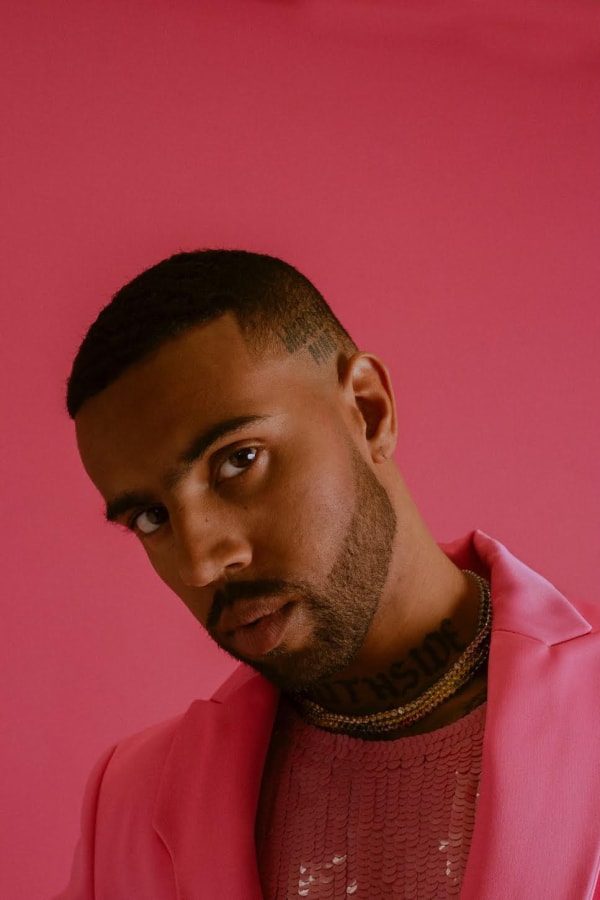
Rapper Vic Mensa curating new iteration of exhibit on Magnificent Mile
Joseph S. Pete, The Times, December 21, 2022 -
SKIN + MASKS, Curated By Vic Mensa, Now Through April
Ray Pride, New City, December 20, 2022 -
Jeffrey Gibson and Oscar Howe at PAM
LAUREL REED PAVIC, Oregon Artswatch, December 16, 2022 -
Inka Essenhigh: 10 Standout Lots Sold in Artsy Auctions in 2022
Ayanna Dozier, Artsy, December 15, 2022 -
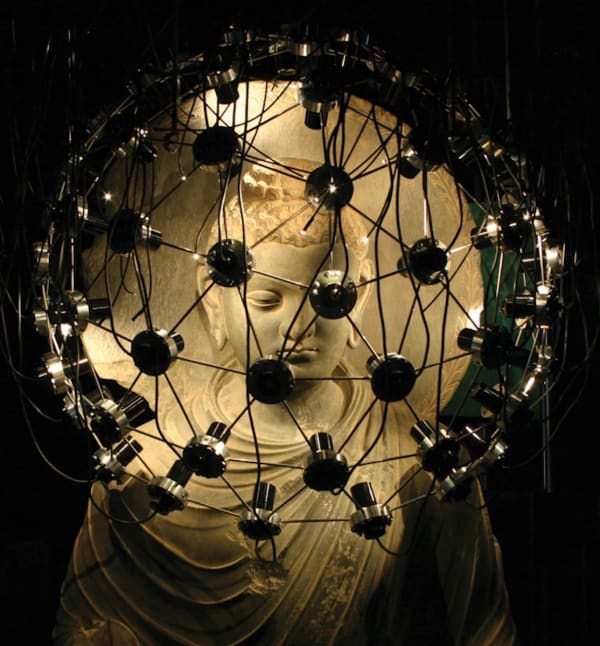
Michael Joo: Vibrant Beings | Making Buddhist Art Today
Francesca Tarocco, Art In America, December 14, 2022 -
In It Is What It Is, Alfred Conteh Takes a Realistic Approach to Examining Life for Black Southerners
Grace Ebert, Colossal, December 14, 2022 -
Artist Jeffrey Gibson aims to ‘speak to the land’ — and listen to what it’s saying back, too
Kaya Williams , Aspen Public Radio, December 9, 2022 -
Mickalene Thomas' Really Great Year
ARTSPACE, December 8, 2022 -
James Little: 5 Trends That Defined the Art Market in 2022
Josie Thaddeus-Johns, Artsy, December 7, 2022 -
James Little: 8 Must-See Gallery Shows in December
Paul Laster, Galerie, December 6, 2022 -
Gerald Williams: Here’s What Sold—and for How Much—at Art Basel Miami Beach 2022
ArtNet News, December 5, 2022 -
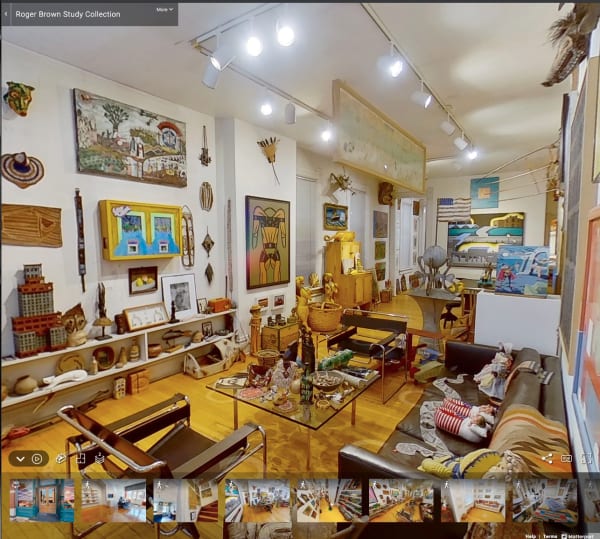
Roger Brown: Memory Maker
Jake Brodsky , Pin-Up, December 1, 2022 -
Devan Shimoyama: What to See at Art Basel Miami Beach 2022
Rebecca Shiffman, Art & Object, December 1, 2022 -
Tomokazu Matsuyama: 7 Unmissable Booths at Art Basel in Miami Beach 2022
Eliza Jordan, Whitewall, November 30, 2022 -
Art Basel Miami Beach Plays It Safe in the Sun
Brian P. Kelly, The Wall Street Journal , November 30, 2022 -
Devan Shimoyama: 7 Black Artist to Check Out at Art Basel and Miami Art Week
Ebony, November 30, 2022 -
Next Big Thing: Kour Pour
Galerie, November 30, 2022 -
Mickalene Thomas: A Century of Black Figuration Across Black, African, and Intra-African Art Histories
Emmanuel Balogun, Ocula, November 30, 2022 -
James Little: Fear and Transcendence in Abstract Painting
Osman Can Yerebakan, Artforum, November 30, 2022 -
Devan Shimoyama: The 20th Edition of Art Basel Miami Beach Is the Fair’s Largest and Most Ambitious Yet
Osman Can Yerebakan, CULTURED, November 30, 2022 -
Devan Shimoyama: 'The Miracle of Miami': Art Basel Marks 20 Years in South Florida
Ted Loos, New York Times, November 30, 2022 -
James Little: Art Top 5 | December 2022
Brian Hieggelke, New City, November 29, 2022 -
Tomokazu Matsuyama: Art Basel Miami Beach in the Financial Times
Financial Times, November 29, 2022 -
Kour Pour: Galerie x Art for Change
Galerie, November 29, 2022 -
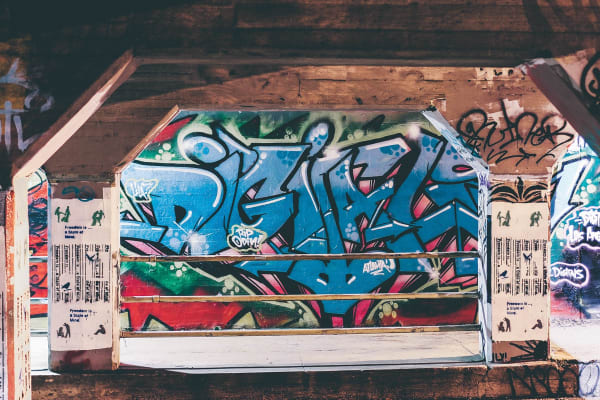
Michi Meko: How the Krog Street Tunnel became a launching pad for a generation of artists
Xavier Stevens, Atlanta Magazine, November 29, 2022 -
Arghavan Khosravi & Suchitra Mattai: The Best Booths at Art Basel Miami Beach 2022
MAXIMILÍANO DURÓN, ArtNews, November 29, 2022 -
James Little’s Constructed Abstractions
Dmitry Samarov, Frieze, November 29, 2022 -
See Inside James Little’s Studio
Sarah Cascone, ArtNet News, November 27, 2022 -
Miya Ando: The Artworld’s New Stone Age
Eloise Hendy, ArtReview, November 25, 2022 -
Devan Shimoyama: Whose Future?
Zara Arshad, Disegno, November 24, 2022 -
Devan Shimoyama & Mickalene Thomas: Meet the art world’s glitterati
Charlotte Jansen, Financial Times, November 23, 2022 -
In Paris, artist Mickalene Thomas takes on Monet, and art history itself
Robin Givhan, The Washington Post, November 22, 2022 -
Tomokazu Matsuyama: Art Collaboration Kyoto 2022: Stop the World and Melt
Sam Gaskin, OCULA, November 21, 2022 -
Mickalene Thomas, Devan Shimoyama, & Firelei Báez: ZEITZ MOCAA × GUCCI – WHEN WE SEE US
360, November 20, 2022 -
Studio Visit With Angel Otero
Kristen Tauer, WWD, November 20, 2022 -
MAD Ball 2022 Honors Cristina Grajales and Jeffrey Gibson
Town & Country, November 16, 2022 -
Deborah Kass: An Exhibition of LGBTQIA+ Artists
ArtNet News, November 16, 2022 -
Mickalene Thomas: Paul Smith To Artistically Direct A New Picasso Exhibition
Allyson Portee, Forbes, November 15, 2022 -
Mickalene Thomas: Paul Smith To Artistically Direct A New Picasso Exhibition
Allyson Portee, Forbes, November 15, 2022 -
Deborah Kass: We Fancy asserts queer aesthetics across forms and representations
Dilpreet Bhullar, Stir World, November 13, 2022 -
School of the Art Institute of Chicago’s 2022 Art Auction and A Happening Auction Party
Hyperallergic, November 4, 2022 -
Jeffrey Gibson: Artistically connecting with the land
Kimberly Nicoletti, Aspen Times, November 3, 2022 -
Mickalene Thomas: Inside the Art and Artist-Filled Rema Hort Mann Foundation Gala
Ian Malone, Vogue, November 3, 2022 -
Mickalene Thomas is Awarded the Rema Hort Mann Foundation's Art and Social Justice Award
Angelica Villa, ArtNews, November 3, 2022 -
Deborah Kass: Billboard Companies Have Censored Artists’ ‘Inflammatory’ Designs for a Pro-Voting Campaign
Taylor Dafoe, artnet news, November 2, 2022 -
New Institute for Contemporary Art kicks off with Jeffrey Gibson’s vibrant This Burning World
Genevieve Quick, 48hills, November 2, 2022 -
Devan Shimoyama: Art Basel announces further show highlights for its largest edition yet in Miami Beach
Art Basel, November 2, 2022 -
Joan Mitchell and Mickalene Thomas Redefine Claude Monet in Two Paris Shows
Cath Pound, Artsy, November 2, 2022 -
Artist Jeffrey Gibson Explores Indigenous Kinship Philosophy at the Aspen Art Museum
Barbara Urzua, 5280, November 1, 2022 -
Deborah Kass: Billboard Companies Reject “Inflammatory” Art for Pro-Voting Campaign
Jasmine Liu, Hyperallergic, November 1, 2022 -
Arghavan Khosravi: Iranian artist's surreal paintings of women take on a new sense of urgency
Jacqui Palumbo, CNN, November 1, 2022 -
Can’t believe it’s shea butter: Esmaa Mohamoud’s surprising sculpture
Shinan Govani, Toronto Star, October 30, 2022 -
Mickalene Thomas: 7 Black Visual Artists that You Should Know
Ebony, October 28, 2022 -
Beverly Fishman: In the galleries: Rendering art through light and space
Mark Jenkins, The Washington Post, October 28, 2022 -
Deborah Kass: I’m Jewish and I Don’t Want to Leave Again
Deborah Kass, Hyperallergic, October 26, 2022 -
James Little, Unapologetic Abstractionist Painter, Catches the Limelight
Hilarie M. Sheets, New York Times, October 26, 2022 -
Mickalene Thomas: A Star Is Born? See the Artworks Top Artists Made Before They Were Famous
Vittoria Benzine, ArtNet News, October 25, 2022 -
James Little: Whitney Biennial Breakout at Kavi Gupta
Ray Pride, New City, October 25, 2022 -
Museum of Arts and Design Gala to Honor Multimedia Artist Jeffrey Gibson
City Life Org, October 24, 2022 -
Devan Shimoyama: Reel Affirmations Review | Manscaping
Rhuaridh Marr, Metro Weekly, October 22, 2022 -
Jeffrey Gibson: Listen: Sorry, N.Y. Times, but San Francisco's art scene is thriving
Fifth & Mission Podcast, San Francisco Chronicle, October 21, 2022 -
MONICA REZMAN
Fuel Your Process -
Monica Rezman | New American Paintings
New American Paintings -
Mickalene Thomas: LA’s New Metro Line Opens With 14 Public Artworks
Matt Stromberg, Hyperallergic, October 20, 2022 -
The ICA San Francisco Opens After Two Years with a Solo Exhibition by Jeffrey Gibson
Surface, October 18, 2022 -
Mickalene Thomas: Here Are 9 Buzzed-About Museum Exhibitions to See in Paris
Anna Sansom, ArtNet News, October 18, 2022 -
Mickalene Thomas: Must-See Museum Shows in Paris
Amy Verner, Vogue, October 18, 2022 -
Royal Rebels: Amar Singh and Prince Manvendra Singh Gohil
Andrew Bullock, Vanity Fair, October 18, 2022 -
Getty Research Institute Acquires Richard Hunt Archive
Getty, October 17, 2022 -
Jaime Muñoz: Major Group Presentation Set to Bring 30 West Coast Artists to Hong Kong
Ambrose Leung, Hypebeast, October 17, 2022 -
Artist Mickalene Thomas Is Bringing “Black American Girl” Joy to Paris
MAX MCCORMACK, Harper's Bazaar, October 14, 2022 -
Manuel Mathieu: Has the Figuration Bubble Burst? Abstract Painting Dominates the Booths at Frieze London
Julia Halperin, ArtNet News, October 13, 2022 -
Mickalene Thomas: Annie Leibovitz & Thelma Golden on Eight of the Most Influential Female Artists of Our Time
Thelma Golden & Annie Leibovitz, Vanity Fair, October 13, 2022 -
Arghavan Khosravi & Manuel Mathieu: Frieze London 2022 | 7 Directors Introduce Their Booths
OCULA, October 5, 2022 -
Su Su: 5 Artists on Our Radar in October 2022
Olivia Horn, Artsy, October 3, 2022 -
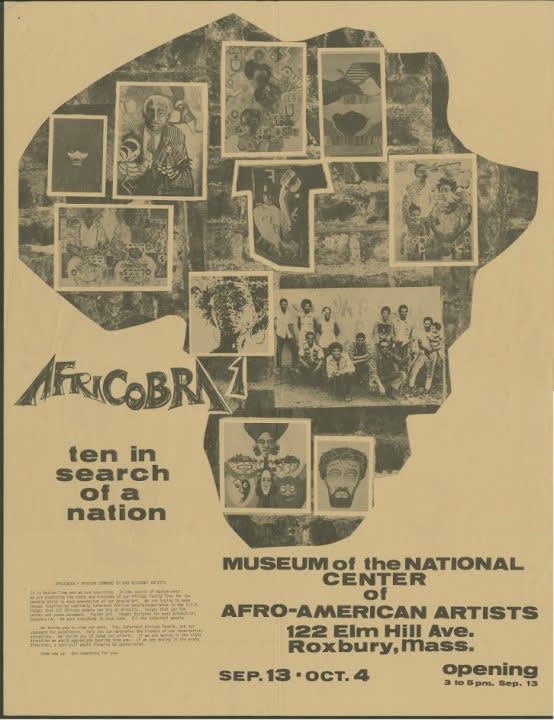
AFRICOBRA: The African American Pulse of Chicago
Julie Chaizemartin, artpress, October 1, 2022 -
James Little: New York Choral Society & The New School Stage Duke Ellington’s ‘Sacred Concerts’
Afton Wooten, Opera Wire, October 1, 2022 -
Pratt Legends 2022 to Honor Arem Duplessis, Phyllis Lambert & Mickalene Thomas
Pratt News, September 30, 2022 -
Mickalene Thomas: Pratt ‘Legends’ Event to Honor Three Creatives
Rosemary Feitelberg, Women's Wear Daily, September 30, 2022 -
Devan Shimoyama 'Elegies' at the Jepson Center explores Blackness by reclaiming the practices of still lifes
Ka'Dia Dhatnubia, Savannah Morning News, September 27, 2022 -
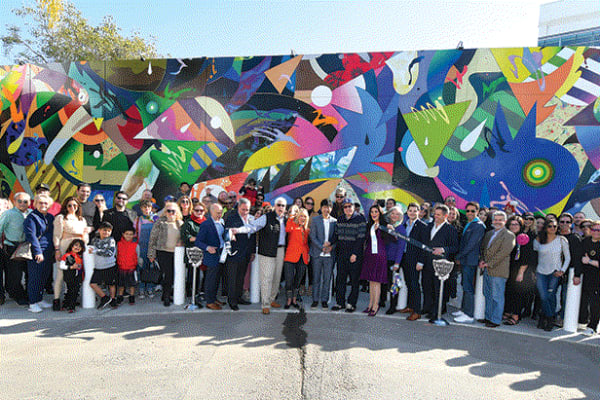
Tomokazu Matsuyama: Arts and Culture Commission Discusses Fate of Mural
Omar Reyes-Benítez, Beverly Hills Courier, September 23, 2022 -
Jeffrey Gibson: 7 Art Shows to See in California This Fall
Soumya Karlamangla, New York Times, September 23, 2022 -
Mickalene Thomas: The Female Gaze | Women Artists on the Male and Female Form
Artspace, September 22, 2022 -
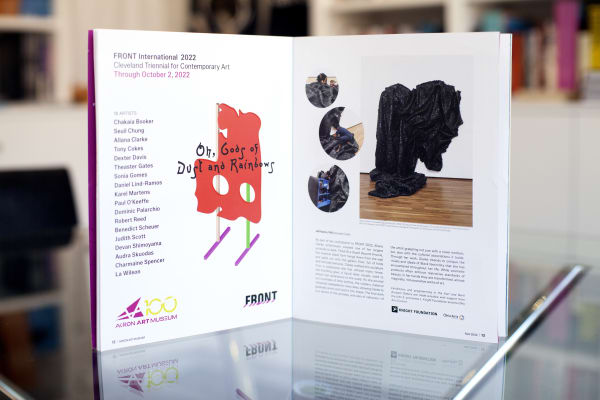
Devan Shimoyama & Abigail DeVille: FRONT International | Oh, Gods of Dust and Rainbows
Paul Laster, ArtAsiaPacific, September 21, 2022 -
Kavi Gupta: Art Basel Reveals Lineup for 2022 Miami Edition
Shawn Ghassemitari, Hypebeast, September 21, 2022 -
Kavi Gupta | Art Basel Miami Beach Plots Its Largest Edition Ever, With 283 Exhibitors
Maximilíano Durón, Artnews, September 20, 2022 -
Kavi Gupta: Art Basel Is Planning Its Biggest Miami Fair Ever. Here’s Who Will Be There This Year
Dorian Batycka, ArtNet News, September 20, 2022 -
Devan Shimoyama: What Does It Mean to Be a Young, Black Queer Artist Right Now?
Emil Wilbekin, New York Times, September 16, 2022 -
Mickalene Thomas: A Texas Exhibition Shines a Light on Paintings of Women, by Women
Vittoria Benzine, ArtNet News, September 14, 2022 -
Devan Shimoyama: Here’s What Sold at the 2022 Armory Show in New York
ArtNet News, September 12, 2022 -
Mary Sibande & Beverly Fishman: The Armory Show shocked the art world in 1913. Here’s what to expect this year
Beth Harpaz, Forward, September 9, 2022 -
Devan Shimoyama: At New York’s Armory Show, Dealers Sell Works Worth Hundreds of Thousands of Dollars
Maximilíano Durón, ArtNews, September 9, 2022 -
The 10 Best Booths at The Armory Show
Ayanna Dozier, Artsy, September 9, 2022 -
José Lerma: ART FOR CHANGE x ICI at THE ARMORY SHOW
ART FOR CHANGE, September 9, 2022 -
CHARLES MASON III TALKS GROWTH, CHANGE, AND DUMPSTER DIVING
LISA SNOWDEN, Baltimore Beat, September 7, 2022 -
Tony Tasset: 10 enchanting outdoor sculpture parks within driving distance of Chicago
Jeanine Barone, Chicago Tribune, September 7, 2022 -
Mickalene Thomas: 10 LGBTQ+ Artists Who Redefined Contemporary Art
MutualArt, September 6, 2022 -
Tomokazu Matsuyama: Your Go-To Guide to All the Art Fairs Taking Place in NY During the 2022 Edition of Armory Week
Sarah Cascone, ArtNet News, September 6, 2022 -
Allana Clarke: Oh Gods, of Dust and Rainbows
Jeff Katzin, PhD, | Associate Curator, View, September 1, 2022 -
ONE TO WATCH | Devan Shimoyama
Jane Ursula Harris, Flash Art, September 1, 2022 -
Rapper and Curator Vic Mensa Hits the Studio With Thundercat and Hangs Out at His Kavi Gupta Group Show
Annie Armstrong, ArtNet News, September 1, 2022 -
Bound by Cord, the Women of Arghavan Khosravi’s Paintings Exemplify the Borderless Fight for Equality
Grace Ebert, Colossal, August 26, 2022 -
Miya Ando: On Creativity
Marianna Phillips, Marianna Phillips -
Docent Corner: Johanna Brassert on Artist Miya Ando
Johanna Brassert , Asia Society -
Mickalene Thomas: Akron Art Museum refreshes its galleries to showcase more diverse artists
Kabir Bhatia & Jean-Marie Papoi, Ideastream Public Media, August 19, 2022 -
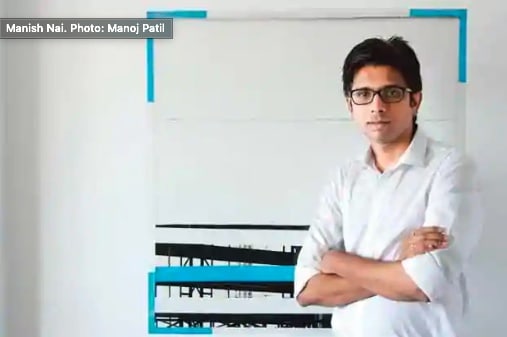
Manish Nai: Urban Spaces | Discover top artists in a patch of green
Hindustan Times, August 19, 2022 -
Michael Joo: Could 3D-printed art help save Hawaii’s coral reefs?
Avery Schuyler Nunn, Grist, August 18, 2022 -
Miya Ando In Conversation with Senior Curator Laurie Ann Farrell
Laurie Ann Farrell, Dallas Contemporary -
Day Trips: Tony Tasset’s Eye Sculpture, Dallas
Gerald E. McLeod, The Austin Chronicle, August 12, 2022 -
Jaime Muñoz Releases Self Portrait via Avant Arte
Shawn Ghassemitari, HypeBeast, August 12, 2022 -
Mary Sibande: Female Artists to Have on Your Radar in 2022
Charlie Colville, Country & Town House, August 12, 2022 -
Kavi Gupta: 5 Tips for First-Time Art Collectors
Brian P. Kelly, Artsy, August 12, 2022 -
Kavi Gupta: Did the Pandemic Put An End to Galleries' Summer Holidays?
Josie Thaddeus-Johns, Artsy, August 10, 2022 -
ART FOR CHANGE Partnered With Arghavan Khosravi, Maggie Ellis, and Hein Koh
Shawn Ghassemitari, HypeArt, August 8, 2022 -
Esmaa Mohamoud: Blackness and the deceptive seduction of professional athletics.
Alison Gillmor, galleries west, August 8, 2022 -
Today In The Culture, August 4, 2022: Roger Brown Meets Mies at Farnsworth
Ray Pride, New City, August 4, 2022 -
Kennedy Yanko's Mixed-Media Sculptures Exude an Engrossing Sense of Duality
Najma Eno, S/ Magazine, August 4, 2022 -
James Little: What to Do in New York City in August
The New York Times, August 4, 2022 -
Artist Spotlight: Beverly Fishman
Maureen Feighan, The Detroit News, August 3, 2022 -
Sterling McDavid Kicks Off Aspen Art Week At Her Stunning Art-Filled Home
Guest of a Guest, August 3, 2022 -
Cultured, Kavi Gupta and the Aspen Art Museum Host an Art-Filled Luncheon to Kick Off ArtCrush
Peri Gould, Cultured, August 2, 2022 -
Tomokazu Matsuyama: Collision of style and colours in NFT paintings by Japanese artist
Zaneta Cheng, #legend, August 1, 2022 -
For the Second Year, Aspen Claims a Spot on the Summer Art Calendar
Osman Can Yerebakan, Galerie, July 30, 2022 -
Arts Brookfield Recognizes Miya Ando as the 2023 Brookfield Place New York Annual Arts Commission Recipient
Arts Brookfield, July 27, 2022 -
Firelei Báez: FRONT Triennial exhibits at Cleveland Museum of Art explore artistic vision, healing, community, and joy
Steven Litt, Cleveland.com, July 24, 2022 -
Mickalene Thomas: ‘Women Painting Women’ At The Modern Art Museum Of Fort Worth
Chadd Scott, Forbes, July 24, 2022 -
Inka Essenhigh: Forget the Hamptons. Artists, Dealers, and Advisors Are Congregating in a New Bucolic Contemporary Art H
Katya Kazakina, ArtNet News, July 22, 2022 -
Vic Mensa's 'SKIN + MASKS' Exhibit Puts a Spotlight on the Diaspora's Most Talented Artists
Gameli Hamelo, okafrica. -
Mary Sibande: The Armory Show to examine conflict and debate around public monuments
Wallace Ludel, The Art Newspaper, July 21, 2022 -
DEVAN SHIMOYAMA: Cleveland’s Front International triennial explores healing through art-making
Claire Voon, Art Newspaper, July 21, 2022 -
In the Studio With Canadian Artist Esmaa Mohamoud
Florence-Agathe Dubé-Moreau, ELLE, July 21, 2022 -
Allana Clarke & Firelei Báez: 13 Standouts at Cleveland’s Front Triennial, From a Healing Fountain to a Functional Barri
Alex Greenberger, ARTnews, July 20, 2022 -
The Artsy Collector Spotlight: Mickalene Thomas
Artsy, July 19, 2022 -
Reflecting on the Legacy of Black Identity: A Review of Vic Mensa’s SKIN + MASKS at Kavi Gupta
Vasia Rigou, NewCity, July 18, 2022 -
Manish Nai: Artist's Diary: Art Is A Process, A Journey And A Blessing
Manish Nai, Outlook, July 15, 2022 -
James Little: What to Do in New York City in July
New York Times, July 13, 2022 -
Devan Shimoyama: ‘Elegies’ investigates the presence—and absence—of the Black body
July 13, 2022, DOCUMENT, July 13, 2022 -
Racquel Chevremont and Mickalene Thomas “Set It Off”
Ella Martin Gachot, Interview, July 13, 2022 -
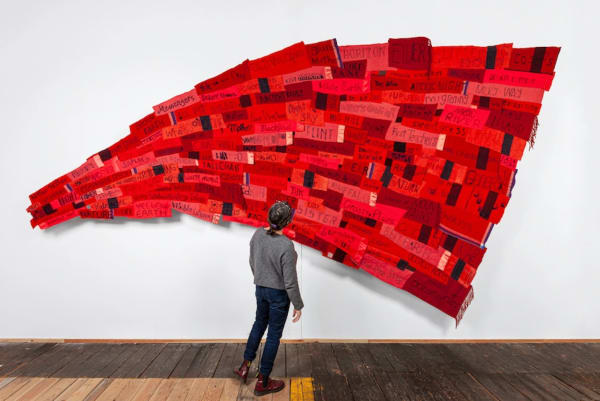
Mary Sibande: See through the Red Mist
Lumumba Mthembu, Mail & Guardian, July 8, 2022 -
Kour Pour: ‘In London, Mercury was never in retrograde’
Victoria Woodcock, Financial Times, July 8, 2022 -
Mickalene Thomas: Ten Artists Are Selected for Pratt>FORWARD 2022 at the Brooklyn Navy Yard
Pratt News, July 7, 2022 -
16 LGBTQ art shows that keep the summer Pride vibe flowing
Dan Allen, NBC News, July 6, 2022 -
Deborah Kass: Decades of Pride
BOMB Magazine, July 1, 2022 -
Chicago-Based Rapper Vic Mensa Brings Black Experience-Themed Art Exhibition To Kavi Gupta Gallery
Bella McDonald, CS | Modern Luxury , July 1, 2022 -
Kour Pour, Labyrinth
Christie's, June 30, 2022 -
Arghavan Khosravi Releases ‘The Enclosure’ With Case Studyo
Shawn Ghassemitari, Hypebeast, June 30, 2022 -
At the Parrish Art Museum, Mickalene Thomas and Racquel Chevremont Curate a Group Show That Breaks Through the Noise
Hannah Black, Cultured, June 30, 2022 -
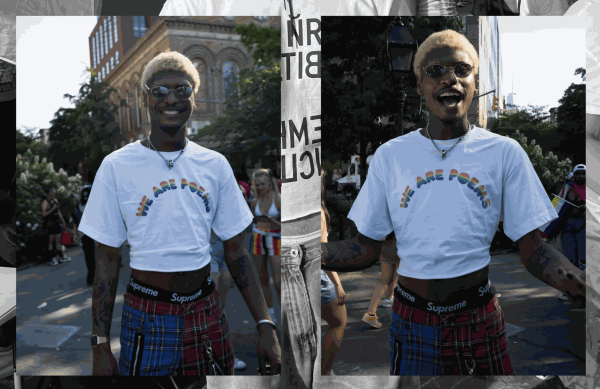
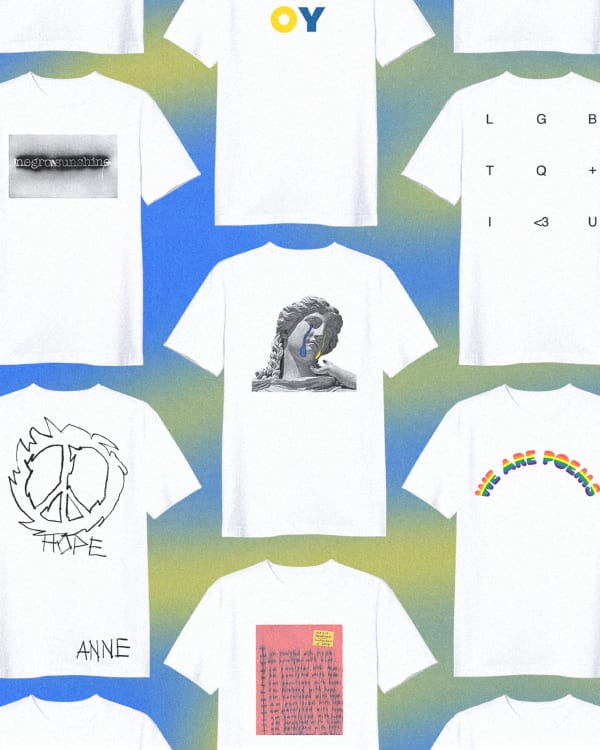
Deborah Kass: A New T-Shirt Capsule Puts Ukrainian Pride Front and Center
Ian Malone, VOGUE, June 29, 2022 -
Deborah Kass: OUTOFORDER Magazine's T-Shirt Collection Benefitting UKRAINEPRIDE
Evan Orensten, Cool Hunting, June 28, 2022 -
Deborah Kass: These Artist-Designed T-Shirts Help Ukrainians on the Ground
Andrea Whittle, W Magazine, June 28, 2022 -
Deborah Kass: OUT OF ORDER Unveils Capsule T-Shirt Collection by Artists to Benefit Grassroots Organization UkrainePride
OUT OF ORDER, June 28, 2022 -
Vic Mensa Makes His Curatorial Debut at Kavi Gupta in Chicago
Atticus Bergman, Cultured , June 27, 2022 -
Devan Shimoyama: Why I Make Art: Contemporary Artists' Stories About Life & Work
The Sound & Vision Podcast by Brian Alfred, Atelier Éditions -
Tomokazu Matsuyama: Why I Make Art: Contemporary Artists' Stories About Life & Work
From the Sound & Vision Podcast by Brian Alfred. , Atelier Éditions -
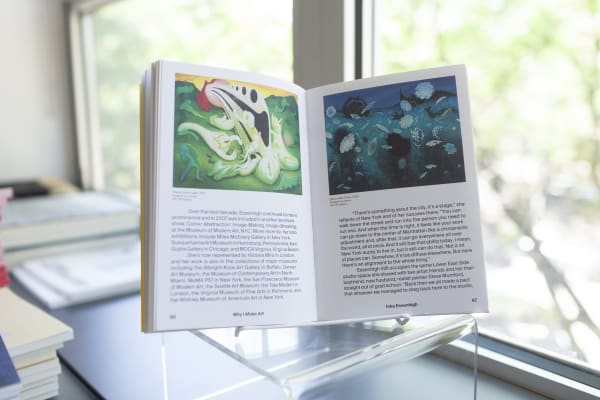
Inka Essenhigh: Why I Make Art: Contemporary Artists' Stories About Life & Work
From the South & Vision Podcast by Brian Alfred, Atelier Éditions -
Vic Mensa Curated His First Art Exhibition at Kavi Gupta Gallery
Shawn Ghassemitari, HypeArt, June 21, 2022 -
Painter James Little’s Commitment To Abstraction
Isis Davis-Marks, The Art Newspaper, June 21, 2022 -
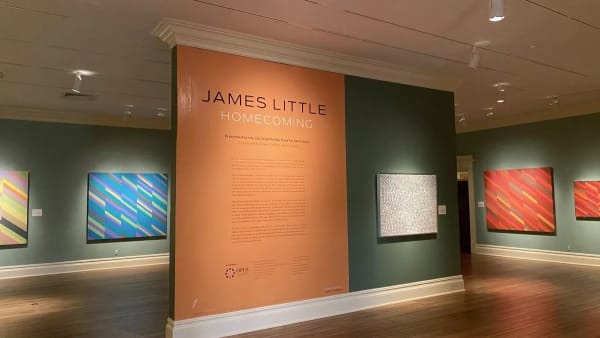
James Little: Homecoming
Abigail Morici, Memphis Magazine, June 20, 2022 -
Mickalene Thomas & Kennedy Yanko: Women Artists “Set It Off” at The Parrish
Beth Young, East End Beacon, June 19, 2022 -
The Art Angle Podcast: How Kennedy Yanko Welded Her Way to Art Stardom
Julia Halperin, ArtNet News, June 17, 2022 -
Tomokazu Matsuyama x AllRightsReserved Natural Shell Pride Wooden Sculpture
Juxtapoz, June 16, 2022 -
Mickalene Thomas: L.A. Based Artist February James Wants Her Art To Encourage Black Women To ‘Take Up Space’
Yolanda Baruch, Forbes, June 16, 2022 -
Vic Mensa Decolonizes Art With "Skin + Masks" Exhibit In Time For Juneteenth
Candace McDuffie, The Root, June 16, 2022 -
Tomokazu Matsuyama Will Release His First Ever Wooden Sculpture
Shawn Ghassemitari, HypeArt, June 16, 2022 -
Tomokazu Matsuyama Magnifies an Optimistic View of Reality, Full of Hope and "Harmless Charm"
Sammy Su, HypeArt, June 16, 2022 -
Kavi Gupta: Exhibitors Announced for Inaugural Art SG Fair in Singapore
Artforum, June 15, 2022 -
Conversation with Tomokazu Matsuyama About His paintings and Debut NFT
Kayan Wong, The Value, June 15, 2022 -
GIVENCHY PARFUMS LAUNCHES THE CREATION OF AN NFT IN SUPPORT OF THE LGBTQIA+ CAUSE
Givenchy Beauty, June 14, 2022 -
Mary Sibande: 21 Art Shows to See in New York This Summer
Billy Anania, Hyperallergic, June 13, 2022 -
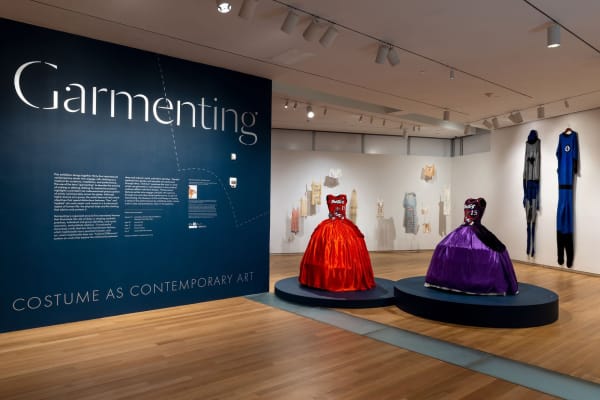
A New Exhibition at the Museum of Arts and Design Delves Into the Phenomenon of ‘Garmenting’—See The Dazzling Images Her
Katie White, ArtNet News, June 13, 2022 -
Mixed-Media Artist Mickalene Thomas Redefines Notions of Beauty
Bryna Jean-Marie, Oprah Daily, June 13, 2022 -
Mickalene Thomas: Black Venus at Fotografiska New York
Anastasia Jessica, Arts Tribune, June 12, 2022 -
Mary Sibande: Sophie tells us about red
Nomvelo Mkhwanazi, Independant Online, June 11, 2022 -
CHANEL Connects: Kennedy Yanko & Honey Dijon
CHANELl Connects, June 10, 2022 -
Esmaa Mohamoud: 8 Rising Artists Using Basketball to Address Social Injustices
Sean Beauford, Artsy, June 10, 2022 -
Richard Hunt: University Park sculpture park presents Juneteenth Summer Solstice Celebration
Jessi Virtusio, Chicago Tribune, June 9, 2022 -
Mickalene Thomas & Kennedy Yanko: Group Exhibit “Set It Off” Boldly Challenges History, Identity and Artistic Mediums
Kelly Pau, Cool Hunting, June 9, 2022 -
A Conversation with Alisa Sikelianos-Carter | Cerebral Women
Cerebral Women, June 8, 2022 -
Mickalene Thomas: How the Art Show Black Venus Reclaims Ownership of Black Womanhood
Sagal Mohammed, Harper's Bazaar, June 8, 2022 -
Kavi Gupta: What is a gallery’s function?
-
James Little: Dixon’s 16 gallery spaces each hosting a mini-exhibition
Christin Yates, The Daily Memphian , June 6, 2022 -
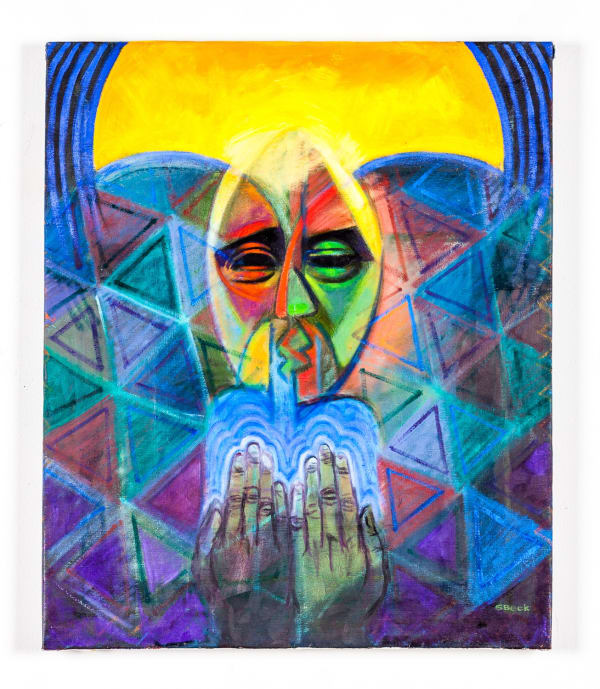
Otherworldly Vistas and Noble Portraits Celebrate Life’s Mysteries in Sherman Beck’s Vibrant Paintings
Kate Mothes, Colossal, June 6, 2022 -
Esmaa Mohamoud: Three exhibitions to see in New York this weekend
Daniel Cassady and Gabriella Angeleti, The Art Newspaper, June 3, 2022 -
Devan Shimoyama: 8 Not-To-Be-Missed Gallery Exhibitions in June 2022
Paul Laster, Galerie, June 3, 2022 -
Mickalene Thomas & Kennedy Yanko: Looking For Things to Do? Here’s Where to Go in June (and What to Wear)
Lilah Ramzi, VOGUE, June 3, 2022 -
Mickalene Thomas: After a few tumultuous years, Baltimore Museum of Art director Chris Bedford ready to make ‘quiet and
Mary Carole McCauley, The Baltimore Sun, June 3, 2022 -
Jaime Muñoz: Blood Memory
Evan Pricco , Juxtapoz, June 1, 2022 -
Allana Clarke: WSU gallery hosts “DOUBLE LIFE” exhibition
Ashley Harris, The Southend, June 1, 2022 -
Mickalene Thomas: Pieces De Résistance
Ciarán Finlayson, ARTFORUM -
Dixon Direct: James Little
Chantal Drake, Dixon Direct, May 31, 2022 -
Mickalene Thomas & Kennedy Yanko: ‘Set It Off’ Brings Six Female Artists Center Stage
Annette Hinkle, 27 East, May 30, 2022 -
Beverly Fishman: Pills Through an Artist's Lense
Meredith Moss, Dayton.com, May 28, 2022 -
Michi Meko: The Shakers, moon walks and fly fishing, this “nature” exhibit covers it all
Dr. Jerry Cullum, Atlanta Business Journal, May 27, 2022 -
Mickalene Thomas: Fort Worth Modern show highlights the many ways women painters portray other women - and themselves
Jerome Weeks, KERA News, May 26, 2022 -
Mickalene Thomas: Tracing the Legacy of Black Womanhood Through the Work of Five Artists
An Other Mag, May 26, 2022 -
Racquel Chevremont and Mickalene Thomas curate a show that subverts tradition
Madeleine Beck, Document Journal, May 25, 2022 -
Survival Where the Sea Meets the Sky: Alisa Sikelianos-Carter's Stars Are Born in Darkness
Julia Mallory, Sugarcane Magazine, May 25, 2022 -
Willie Cole Recycles Musical Instruments Into Outstanding Sculptures
Billy Anania, Hyperallergic, May 23, 2022 -
Manuel Mathieu: London Art Exhibitions to See
Advisory Perspective , Ocula, May 23, 2022 -
Mary Sibande: Museum of Arts and Design Exhibition Explores the International Language of Dress
Hyperallergic, May 23, 2022 -
Jeffrey Gibson: A Parent’s Guide to Navigating Biennials
Rea McNamara, Hyperallergic, May 22, 2022 -
Go Inside Alisa Sikelianos-Carter’s Magical Underwater Universe at Kavi Gupta Gallery
Lucy Rees, Galerie, May 20, 2022 -
Kennedy Yanko is Moving Weight
Alexis Schwartz, L'Officiel, May 19, 2022 -
Mickalene Thomas & Kennedy Yanko: The Personal and the Cultural
Mark Segal, The East Hampton Star, May 19, 2022 -
Esmaa Mohamoud: 6 Lower East Side Shows to See During Frieze New York
Shanti Escalante-De Mattei, ArtNews, May 19, 2022 -
Jeffrey Gibson: The Collecting Duo Pushing for Diversity
Ted Loos, New York Times, May 17, 2022 -
Tomokazu Matsuyama for the Asian American Arts Alliance: Benefit Auction 2022
Artsy, May 13, 2022 -
Manish Nai with ARTEMORBIDA
Barbara Pavan, ARTEMORBIDA, May 13, 2022 -
Mickalene Thomas & Kennedy Yanko: “Set It Off,” from Deux Femmes Noires, at Parrish Art Museum
The New Yorker, May 13, 2022 -
Firelei Báez: A Behemoth New Book Surveys a Broad Segment of Millennial Artists Working Today
Grace Ebert, Colossal, May 12, 2022 -
Deborah Kass: Of Teacups, Shared Trauma and Shared Destiny: Reflections on the Weitzman’s Reopening
Laura Swartz, Philadelphia Magazine, May 12, 2022 -
Mickalene Thomas and Racquel Chevremont Live by Their Lists
Stephanie Eckardt, W Magazine, May 12, 2022 -
Tomokazu Matsuyama Blends Pop Culture and Art History to Explore His Global Identity
Ayanna Dozier, Artsy, May 12, 2022 -
‘The ambition of expressing myself freely': A conversation with Iranian artist Arghavan Khosravi
Omid Memarian, Global Voices, May 12, 2022 -
Jeffrey Gibson: Toronto Biennial of Art Moves from Land to Water in 2022
Neil Price, Ocula, May 11, 2022 -
Manuel Mathieu: London Gallery Weekend 2022 | Exhibitions to See
Elaine YJ Zheng, Ocula, May 11, 2022 -
Kour Pour: ART FOR CHANGE x Little Wanderers NYC
ART FOR CHANGE, May 11, 2022 -
Mickalene Thomas: for colored girls who have considered suicide/when the rainbow is enuf Nominated for Seven Tony
2022 Tony Awards, May 10, 2022 -
Deborah Kass: 'Its Not Surprising, But its Totally Shocking'; Artists Respond to Leaked US Supreme Court Document Threat
Anni Irish, The Art Newspaper, May 9, 2022 -
AfriCOBRA & Mary Sibande: South African artists taking over Chicago, Bonteheuwel style
Sean O’Toole, Mail & Guardian, May 6, 2022 -
Jeffrey Gibson’s Solo Exhibition The Body Electric Opens at SITE Santa Fe
Hyperallergic, May 6, 2022 -
Arghavan Khosravi's Potent Paintings Explore Oppression and Liberation
ArtDaily, May 6, 2022 -
Rewind Collective: Remember Us XXI (NFT Artwork) Exhibit, Powered by Amar Singh
Vital Voices, May 5, 2022 -
Deborah Kass: New outdoor sculpture has literal double meaning
John McDevitt, KYW Newsradio, May 3, 2022 -
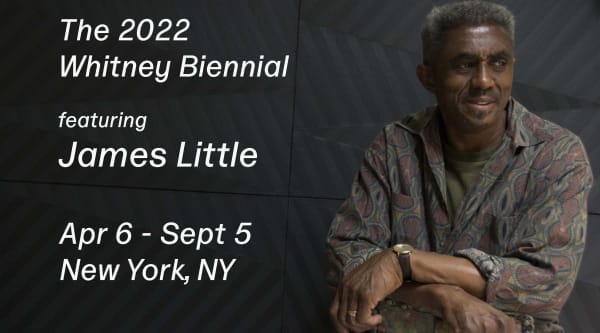
James Little Finally Gets His Turn in the Spotlight at this Year’s Whitney Biennial
ArtNews, May 2, 2022 -
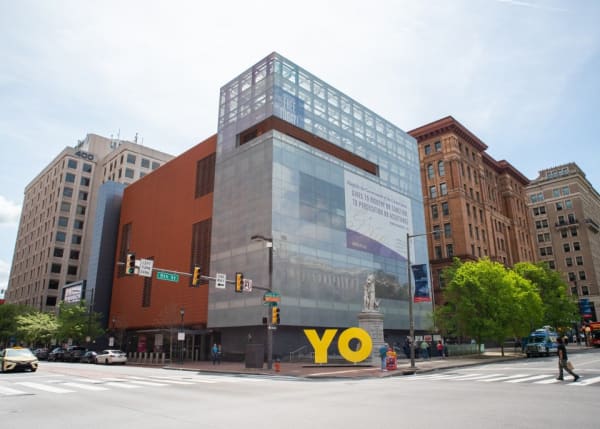
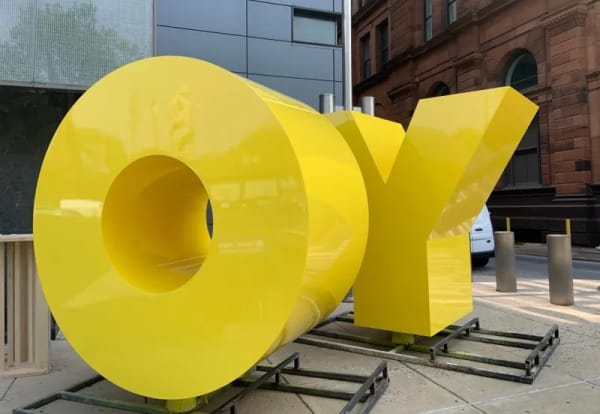
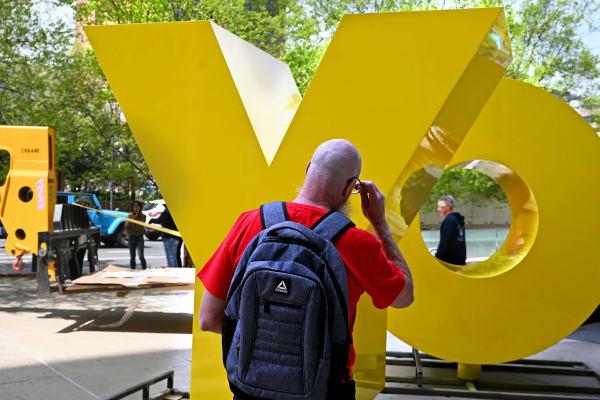
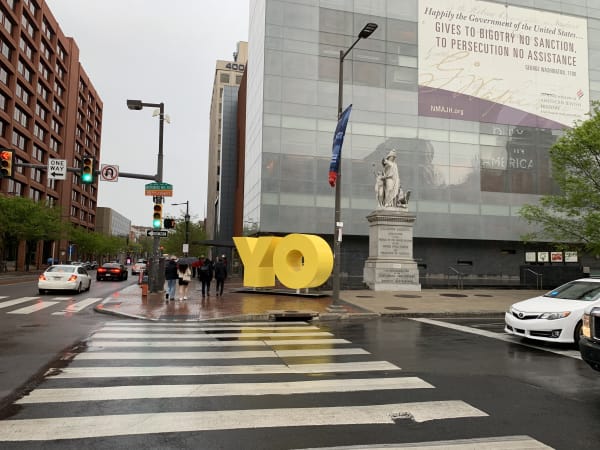
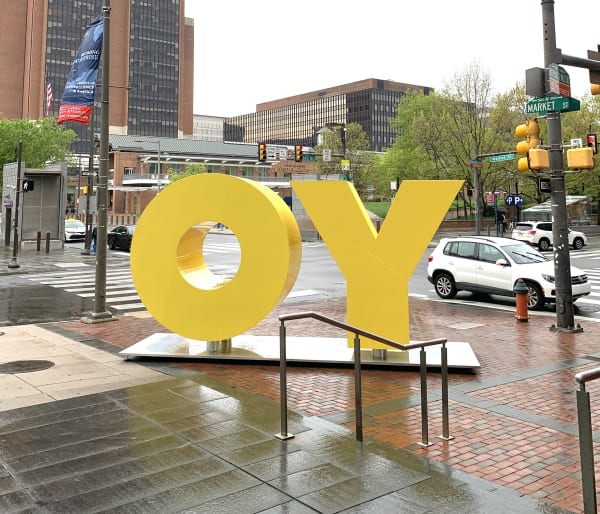
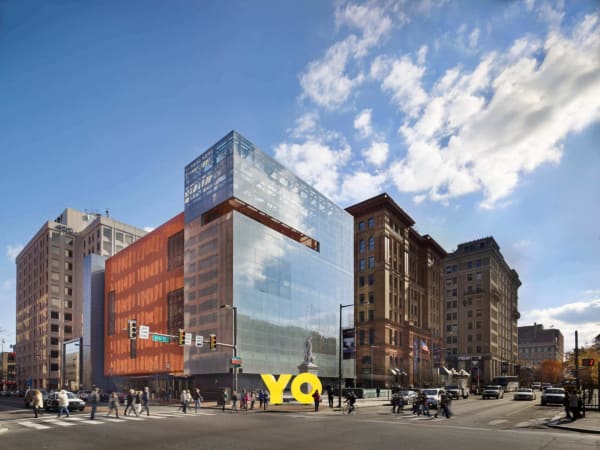
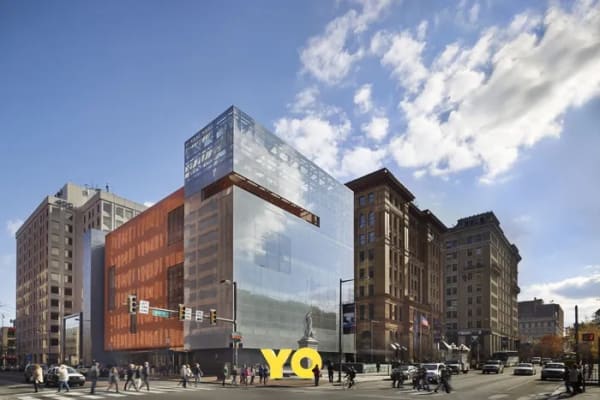
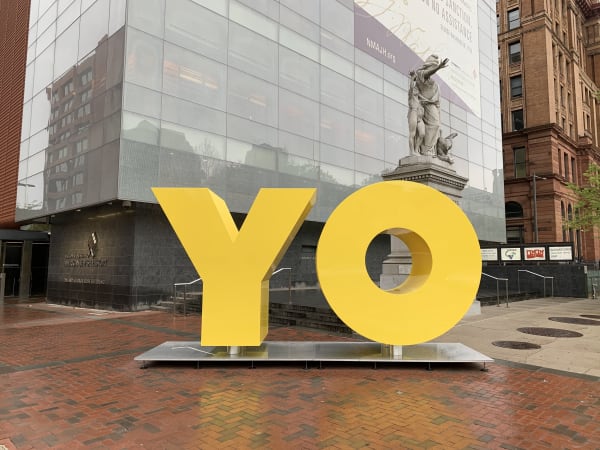
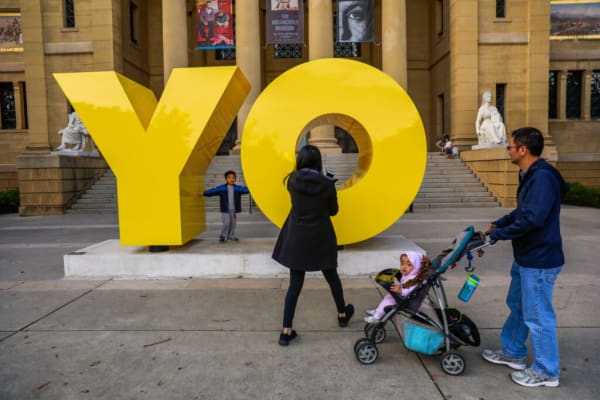
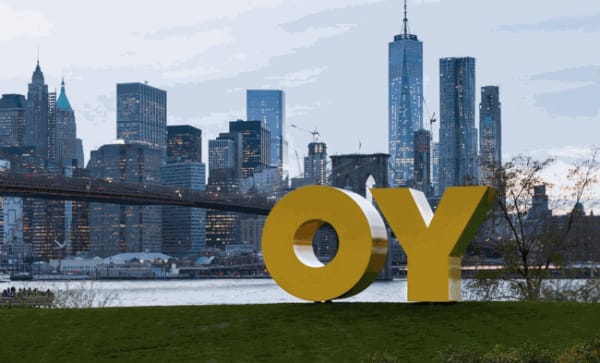
YO - or OY - sculpture put in its place on Independence Mall
Tom Gralish, The Philadelphia Inquirer, May 2, 2022 -
Mary Sibande, Devan Shimoyama, Jeffrey Gibson & Esmaa Mohamoud: Garmenting: Costume as Contemporary Art
Kathy Battista, The Brooklyn Rail, May 1, 2022 -
Willie Cole: Your Concise New York Art Guide for May 2022
Cassie Packard, Hyperallergic, May 1, 2022 -
Jeffrey Gibson: Indigenous Artists Take Center Stage at the Toronto Biennial of Art
Rea McNamara, Hyperallergic, May 1, 2022 -
Deborah Kass: 55 Things to Do in Philadelphia This Weekend
Patrick Rapa, Philadelphia Magazine, April 30, 2022 -
Skin + Masks: A Top Rapper Makes His Curatorial Debut
Annie Armstrong, ArtNet News, April 29, 2022 -
James Little: The 2022 Whitney Biennial Expands the Scope of 'American' Art
Vivian Chiu, Ocula, April 27, 2022 -
Mickalene Thomas: At Museums, a Mix of Old and New
Ted Loos, The New York Times, April 27, 2022 -
Kennedy Yanko: Editors’ Picks | Stockholm Art Week
Cultbytes, April 27, 2022 -
Esmaa Mohamoud: Photo Festival Season Kicks Off! Here’s What to Visit in the Summer.
Vogue, April 27, 2022 -
Deborah Kass: Weitzman National Museum of American Jewish History reopening after 2 years
Laura Smythe, Philadelphia Business Journal , April 25, 2022 -
Angel Otero & Wadsworth Jarrell: MoAD, Artsy’s 2022 Art Auction Celebrates Many Voices, One Diaspora
The Oakland Post, April 24, 2022 -
Mickalene Thomas & Kennedy Yanko: When Being Seen is Not Enough
Lise Ragbir, The Boston Globe, April 24, 2022 -
Cameron Welch
ROBERTA SMITH, The New York Times, April 22, 2022 -
Exhibition at Currier showcases Arghavan Khosravi’s paintings from the ‘in between’
Todd Bookerman, New Hampshire Public Radio, April 22, 2022 -
Deborah Kass: "OY/YO" sculpture coming to Philadelphia
Mike D'Onofrio, Axios Philadelphia , April 21, 2022 -
Firelei Baez: See Practically Every Artwork in the Venice Biennale’s Arsenale Section
Ben Davis, ArtNet News, April 21, 2022 -
Kennedy Yanko in conversation with Saskia Neuman
Saskia Neuman, CFHILL, April 20, 2022 -
Artist Manuel Mathieu on Alchemy, Desire, & Growing up in Haiti
Something Curated, April 20, 2022 -
Jaime Muñoz: Art Industry News
ArtNet News, April 19, 2022 -
Deborah Kass: A new shtick for Philly
Frank Kummer, The Philadelphia Inquirer , April 19, 2022 -
OY/YO Sculpture Coming To Philly
A.A. Cristi, Broadway World, April 18, 2022 -
Deborah Kass: Popular 'OY/YO' sculpture to be displayed near Independence Mall for one year
Michael Tanenbaum, Philly Voice, April 18, 2022 -
Mary Sibande: Sharjah Biennial Reveals Artists taking Part in 2023 Edition
Art Forum, April 18, 2022 -
James Little: The Single Best Work in the Whitney Biennial
Dana Gordon, New York Sun, April 18, 2022 -
Esmaa Mohamoud: Toronto’s Scotiabank CONTACT Photography Festival Launches 26th Edition
Scotiabank CONTACT Photography Festival, Hyperallergic, April 14, 2022 -
How Devan Shimoyama’s Art Works on Pain and Healing Resonate Internationally
Ervin Dyer, Pittsburgh Magazine, April 12, 2022 -
Beverly Fishman’s Relief Paintings Explore the Dark Promise of the Pharmaceutical Industry
Shawn Ghassemitari, HypeArt, April 12, 2022 -
Powerfully Contained Women: The Portraiture of Arghavan Khosravi
Meredith Shepard, THE OG, Edition 06: Process & Practice, April 8, 2022 -
James Little: Whitney Biennial 2022: Artist Installations That Stole the Show
Simon Fisher, Eva Fuchs, Rory Mitchell , Ocula, April 8, 2022 -
EXPO Chicago Opens Its Most Internationally Diverse Edition to Date
Osman Can Yerebakan, Galerie, April 8, 2022 -
Expo Chicago Lights Up for the First Time in Years
Annie Armstrong, Artnet News, April 8, 2022 -
Firelei Báez Brings an Afrofuturist Empire in the Atlantic to the MCA Chicago
Tessa Solomon, ARTnews, April 7, 2022 -
Devan Shimoyama: What to See During EXPO Chicago
Marko Gluhaich, FRIEZE, April 7, 2022 -
AFRICOBRA: Four Gallery Shows to See in the Windy City During Expo Chicago
Maximilíano Durón, ARTNews, April 7, 2022 -
EXPO CHICAGO: Black Artists Get Ready to Shine at Expo Chicago
Chicago Defender, April 5, 2022 -
Kour Pour: 5 Artists on Our Radar in April 2022
Artsy Editorial, Artsy, April 4, 2022 -
James Little: A Glimpse into This Year's Whitney Biennial
Marley Marius, Vogue, April 2, 2022 -
Inka Essenhigh: Artists in Support of Refugees from Ukraine
Artsy, April 1, 2022 -
EXPO CHICAGO 2022: Exhibitions to See
Elaine YJ Zheng, Ocula, April 1, 2022 -
James Little: At the 2022 Whitney Biennial, Compelling Works
Ayanna Dozier, Artsy, March 31, 2022 -
James Little: A Whitney Biennial of Shadow and Light
Holland Cotter, New York Times, March 31, 2022 -
Tony Tasset: As It Returns to Form, This Year’s Dallas Art Fair Will Celebrate Texas’s Booming Art Scene
Artnet Gallery Network, Artnet, March 30, 2022 -
James Little: A Sharp, Understated Whitney Biennial Looks to the Past to Process the Grief of the Present
Alex Greenberger , ARTNews, March 30, 2022 -
James Little: 12 Standouts at the 2022 Whitney Biennial, Where Poetic Reflections on Past Two Years Shine Brightly
Maximilíano Durón, ARTNews, March 29, 2022 -
Cleveland’s FRONT International Triennial Has Revealed the Artist List for Its Healing-Focused 2022 Edition
Alex Greenberger, ARTnews, March 28, 2022 -
EXPO CHICAGO Catalyses Network of Art in the City
Tessa Moldan, Ocula, March 28, 2022 -
Jeffrey Gibson: What to look forward to at the Toronto Biennial of Art
Sue Carter, Toronto Star, March 25, 2022 -
Jeffrey Gibson: An Opera House That Literally Straddles the U.S.-Canada Border Is the Subject of a Thrilling New Film at
Dorian Batycka, Artnet , March 24, 2022 -
Mickalene Thomas: Baltimore Museum Guards Take Seats at the Curators’ Table
Hilarie M. Sheets, The New York Times, March 23, 2022 -
Jeffrey Gibson: Can Land and Water Be Archives? A Pandemic-Era Toronto Biennial Mines the Histories Beneath Our Feet
Maximilíano Durón, ARTnews, March 23, 2022 -
The Andy Warhol Diaries on Netflix reveals his enduring impact on contemporary art
Harriet Lloyd-Smith, Wallpaper, March 22, 2022 -
Deborah Kass: The Andy Warhol Diaries on Netflix reveals his enduring impact on contemporary art
Harriet Lloyd-Smith, TECHFAN.INFO, March 22, 2022 -
Mickalene Thomas: The Baltimore Museum of Art Invited Its Guards to Curate Their Latest Exhibition
Taylor Dafoe, Artnet News, March 21, 2022 -
Los Angeles’s Ultra-Cool Poolside Fair Felix Is Yet Again a Favorite Among Tastemaking Dealers
Eileen Kinsella, Artnet News, March 21, 2022 -
How to Wear a Sculpture: New York Show Explores the Thin Divide Between Clothing and Art
Tessa Solomon , ARTNews , March 18, 2022 -
Kavi Gupta: The Black Art Experience and Expo Chicago Partner on Curated Weekend of Events
Trace William Cowen, Complex, March 17, 2022 -
Garmenting: Costume as Contemporary Art Review: Dressing Up a Form
Laura Jacobs, Wall Street Journal, March 16, 2022 -
Devan Shimoyama and Alfred Conteh: How Black Men Changed the World
Shantay Robinson, Smithsonian Magazine, March 16, 2022 -
Jeffrey Gibson: To Name An Other, Call for Performers
Site Santa Fe, March 16, 2022 -
Empathy Is the Lifeblood of Creativity. Here’s How Artists From Delacroix to Mickalene Thomas Channeled It in Their Work
Maria Brito, Artnet News, March 16, 2022 -
Deborah Kass: Art Marketplace Her Clique Is Highlighting Female Artists Who Are Selling Works To Aid Ukraine
Shawn Ghassemitari, Hypebeast, March 15, 2022 -
Meet Polyglot Painter Kour Pour
Shana Nys Dambrot , LA Weekly, March 14, 2022 -
Jeffrey Gibson: Everything You Need To Know About the Toronto Biennial of Art
Mira Miller, Sharp Magazine, March 11, 2022 -
Mickalene Thomas: A Guard’s-Eye View of Art
Peter Saenger, Wall Street Journal, March 11, 2022 -
Alfred Conteh: Emancipation, The Unfinished Project of Liberation
Amon Carter Museum of American Art, March 10, 2022 -
It’s My Infinite Indigenous Queer Love: In Conversation with Jeffrey Gibson
Mary McNeil, Boston Art Review, March 6, 2022 -
Deborah Kass: The Brooklyn Museum's OY/YO sculpture is now wrapped in blue
Anna Rahmanan, TimeOut New York, March 4, 2022 -
National Museum Of Women In The Arts Goes Big With First Exhibition Outside Historic Home
Chadd Scott, Forbes, March 3, 2022 -
Mickalene Thomas | 20 Top Artists Reimagine Manet’s Le Déjeuner sur l’herbe
Stephanie Eckardt, W Magazine , March 2, 2022 -
Devan Shimoyama and Lauren Mayberry Discuss Writer’s Block and Its Antidotes
Lauren Mayberry, Cultured, March 2, 2022 -
Contemporary Portraiture by Black Artists at LA Art Week 2022
David Graver, Cool Hunting, February 26, 2022 -
Deborah Kass: After 17 Years of Design Matters, Debbie Millman is Just Getting Started
Salomé Gómez-Upegui, W Magazine, February 24, 2022 -
The Feminist Aesthetics of A Room of Her Own
Christine Han, Ocula , February 23, 2022 -
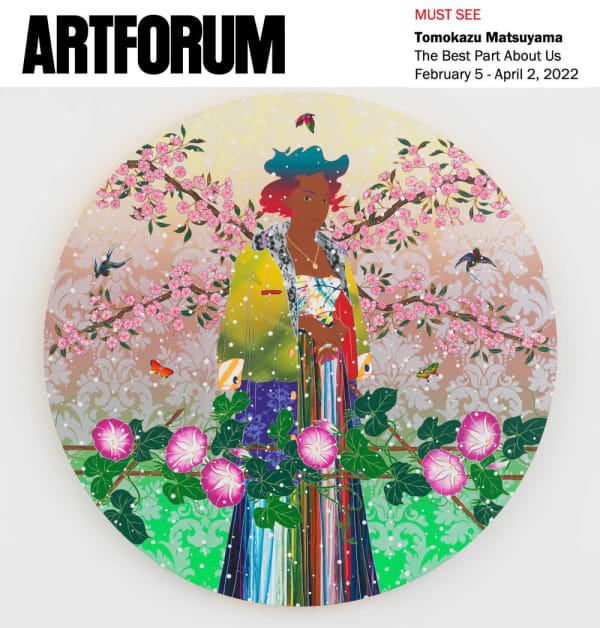
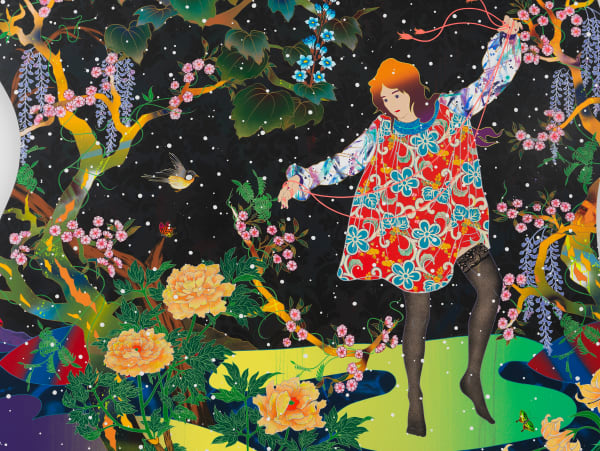
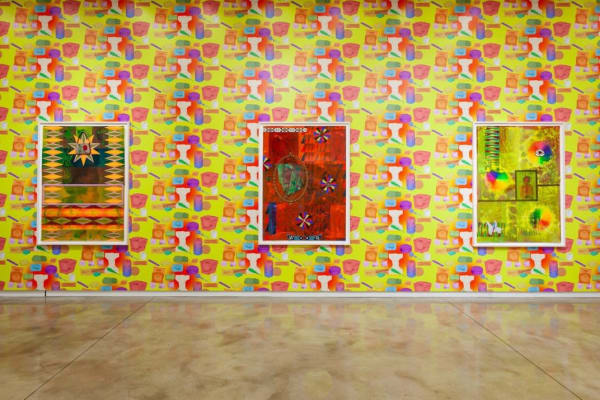
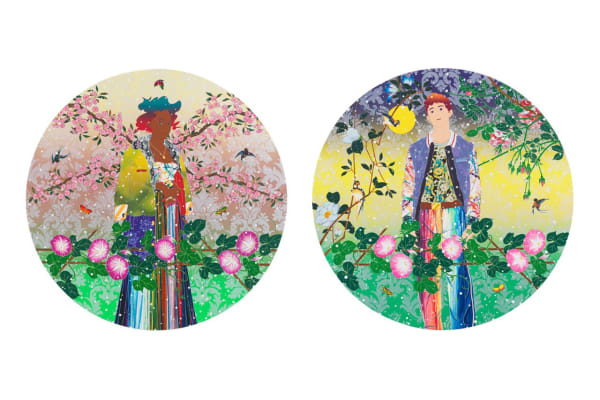
The Best Part About Us: Tomokazu Matsuyama
Juxtapoz, February 23, 2022 -
Four editions on, the Felix Art Fair aims to stay fresh
Hilarie M. Sheets, The Art Newspaper, February 17, 2022 -
Vibrant color and master technique will be explored in 'Pressing Innovation: Printing Fine Art in the Upper Midwest'
ArtDaily, February 12, 2022 -
The New York Times : The Radical Experimentation of Black Psychedelia
Emily Lordi, NY Times, February 10, 2022 -
MICKALENE THOMAS: THE BLACK PHOTOGRAPHERS RETHINKING WHAT HISTORY IS ALL ABOUT
APERTURE, APERTURE, February 8, 2022 -
7 MUST-SEE ART EXHIBITIONS IN FEBRUARY 2022
PAUL LASTER, GALERIE MAGAZINE, February 8, 2022 -
10 Questions With Willie Cole
Mairi Beautyman, Interior Design, February 8, 2022 -
MINIMAL STROKES APPLIED WITH A BROOM FORM JOSÉ LERMA’S TACTILE PORTRAITS
GRACE EBERT, COLOSSAL, February 7, 2022 -
MICKALENE THOMAS’S JOURNEY FROM PARALEGAL TO RENOWNED ARTIST
TIANA REID, WALL STREET JOURNAL, February 7, 2022 -
Textile Artists Are Back in the Public Spotlight in Museums and Galleries. Art Collectors? They’re Still Catching Up
Katya Kazakina, Artnet News, February 4, 2022 -
Angel Otero Heads to Hauser & Wirth as His Market Rapidly Ascends
ALEX GREENBERGER, ARTnews, February 4, 2022 -
CHECK OUT 5 EMERGING TALENTS THE ARTNET GALLERY NETWORK IS WATCHING THIS FEBRUARY
ARTNET GALLERY NETWORK, ARTNET, February 2, 2022 -
FIRELEI BÁEZ IN THE VENICE BIENNALE 2022
ALEX GREENBERGER, ARTNEWS, February 2, 2022 -
Women's Museum presents first off-site contemporary art exhibition
ArtDaily, February 1, 2022 -
ARTFORUM MUST SEE: Tomokazu Matsuyama, The Best Part About Us
Artforum, February 1, 2022 -
Tomokazu Matsuyama’s Fantastical Paintings Go on View at Kavi Gupta Gallery in Chicago
LUCY REES, Galerie Magazine, January 31, 2022 -
JEFFREY GIBSON - THE MOST ANTICIPATED MUSEUM OPENINGS OF 2022
Laura Kiniry, Smithsonian Magazine, January 26, 2022 -
Tomokazu Matsuyama To Unveil The Best Part About Us
Shawn Ghassemitari, Hypebeast, January 26, 2022 -
James Little in the 2022 Whitney Biennial
Kavi Gupta, Kavi Gupta Blog, January 25, 2022 -
MICKALENE THOMAS GOES BEYOND THE PLEASURE PRINCIPLE
KATY DONOGHUE, WHITEWALL, January 13, 2022 -
Miya Ando: At Singapore Art Week, an all-women show confronts exclusion
Uma Nair, Architectural Digest, January 12, 2022 -
Architectural Digest India's "Most Beautiful Homes in the World"
Janelle Zara, Architectural Digest | India -
What in the World Is ‘Garmenting?’
Rosemary Feitelberg, WWD, January 6, 2022 -
See ‘Infinite Indigenous Queer Love’ Through The Eyes Of Jeffrey Gibson
Chadd Scott, Forbes, January 6, 2022 -
12 Artists Poised to Break Out in 2022, Based on Our Survey of Top Dealers, Advisors, and Curators
Artnet News, January 4, 2022 -
Meera Menezes on Manish Nai
Meera Menezes, Artforum, January 1, 2022 -
A Conversation with Allana Clarke
Phyllis Hollis, Cerebral Women Art Talks Podcast, December 22, 2021 -
Felix LA Art Fair Releases Exhibitor List for 2022 Edition
Shanti Escalante-De Mattei and Sarah Douglas, ArtNews, December 22, 2021 -
Reflecting on our favorite arts and culture moments of 2021
Tania Ralli, Dianna Bell, Cristela Guerra, Andrea Shea, Amelia Mason, Arielle Gray, Magdiela Matta, WBUR, December 21, 2021 -
Abstractions & Social Critique | Chicago: six must-see exhibitions
Clare Voon, Art Basel, December 18, 2021 -
Looking for the Next Big Thing? Here Are 6 Exciting Artists to Watch From Miami Art Week 2021
Artnet News, Artnet, December 7, 2021 -
Lorna Simpson and Glenn Ligon on Finding Meaning as You’re Making It
By Interview, Photographed by Marquale Ashley, Interview, December 6, 2021 -
Pattern, Decoration, and the New Avant-Garde at Art Basel Miami
Anna Mikaela Ekstrand, Cultbytes, December 3, 2021 -
Tomorrow’s Stars Are on Display at Art Basel Miami Beach 2021
Jacoba Urist, Cultured, December 3, 2021 -
In pictures: Boca Raton curator Kathleen Goncharov picks her favourite works from Art Basel in Miami Beach
Benjamin Sutton, December 2, 2021 -
‘We Cannot Keep Up’: Dealers Return to a Red-Hot Market at Art Basel Miami Beach, Where VIPs Are Clamoring for Contempor
Katya Kazakina & Eileen Kinsella, Artnet News, December 1, 2021 -
Tod’s Celebrated its Collaboration With Artist Willie Cole With a Dinner in Miami
Vogue, November 29, 2021 -
‘Jeffrey Gibson: Infinite Indigenous Queer Love’ Opens at deCordova Sculpture Park and Museum in Lincoln, Massachusetts
Annie Block, Interior Design, November 27, 2021 -
The Can't-Miss Art Shows at Art Basel Miami 2021
Alexis Schwartz, L'Officiel, November 24, 2021 -
‘Artists Imagine That Museums Are Brave—They’re Not’: Glenn Ligon on His New Show, Philip Guston, and How Institutions C
Kate Brown, artnet news, November 18, 2021 -
Meet Amar Singh, the Activist Art Gallerist Who Went From Dealing in Abstract Expressionism to $300 Million Worth of NFT
Maya Asha McDonald, artnet news, November 17, 2021 -
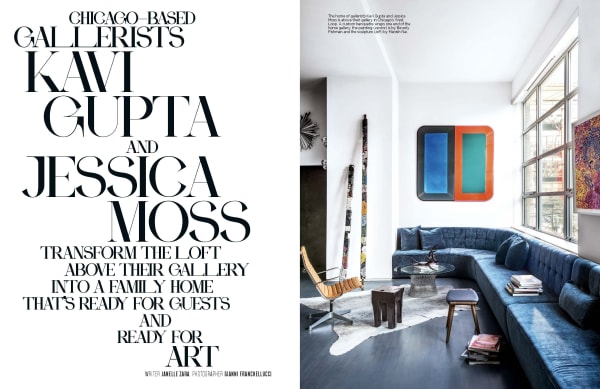
Step Inside This Art-Insider's Chicago Family Home
Janelle Zara, Architectural Digest, November 9, 2021 -
Devan Shimoyama, All The Rage at Kunstpalais Erlangen, Germany
Sasha Bogojev, Juxtapoz, November 8, 2021 -
At the deCordova, Jeffrey Gibson weaves a dazzling display of subversion and joy
Murray Whyte, The Boston Globe, November 4, 2021 -
The Best Booths at ADAA’s 2021 Art Show, From Vodou Flags to Tour-de-Force Abstraction
Maximilíano Durón, ArtNews, November 4, 2021 -
Native Song: Marie Watt’s Communal Incantations in Fabric
Glen Adamson, Art News , November 3, 2021 -
NYU Acquires 200 Works by Prominent Downtown Artists, From Kass to Mapplethorpe to Basquiat
Cassie Packard, Hyperallergic, October 21, 2021 -
Jaime Muñoz: A New Manhattan Gallery Elevates the Careers of Latinx Artists
Valentina Di Liscia, Hyperallergic , October 19, 2021 -
GLENN LIGON
Megan O’Grady , New York Times, October 16, 2021 -
Jaime Muñoz Imparts the Shared Experiences of His Community and Upbringing in his Large-Scale Paintings
Alex Khatchadourian, Amadeus , October 6, 2021 -
Marie Watt: Earthmover
Laumier Sculpture Park , September 22, 2021 -
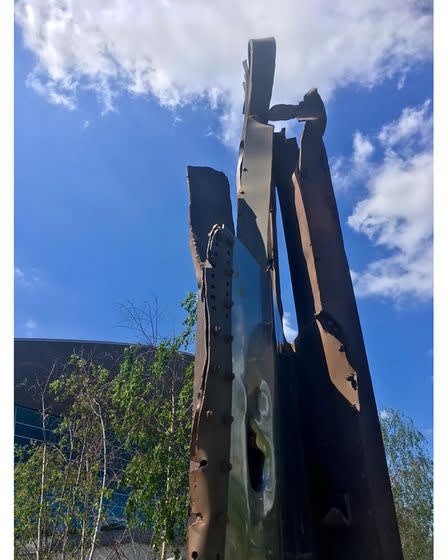
Miya Ando: 9/11 anniversary | Where in Newham is the Twin Towers memorial?
Jon King, Newham Recorder, September 11, 2021 -
Resisting Marginalization: Jeffrey Gibson Reconsiders the Cultural Representation of Indigenous People
Nancy Chen, Newcity, September 8, 2021 -
Michi Meko: The Dirty South: Contemporary Art, Material Culture, and the Sonic Impulse
Noah Simblist, Art Agenda Reviews, September 7, 2021 -
Kennedy Yanko | To Paint Is To Love, To Love Is To Scrap Metal
Nate Rynaski, Flaunt, August 30, 2021 -
Critic's Picks Toronto - Double Dribble
Gabrielle Moser, Artforum, August 23, 2021 -
A brush with... Glenn Ligon
Hosted by Ben Luke. Produced by Julia Michalska, David Clack and Aimee Dawson. With Henrietta Bentall and Kabir Jhala, The Art Newspaper, August 18, 2021 -
Times Square Is Getting Its First Fountain—and It’s a Monumental Public Artwork Covered in 400,000 Acrylic Nails
Sarah Cascone, Artnet News, August 18, 2021 -
Artist Esmaa Mohamoud Examines How Pro Sports Profit from Black Athletes
Connor Garel, The Walrus, August 12, 2021 -
How a ‘Revolutionary’ Racially Integrated Art Exhibition in Texas Changed the Game
ALEX GREENBERGER, ARTnews, August 11, 2021 -
THE RISE AND RISE OF NFT ARTWORKS
VANITY FAIR, July 27, 2021 -
Michi Meko: A Cosmos Of Southern Black Expression: “The Dirty South” at The Virginia Museum of Fine Arts
TK Smith, Art in America, July 20, 2021 -
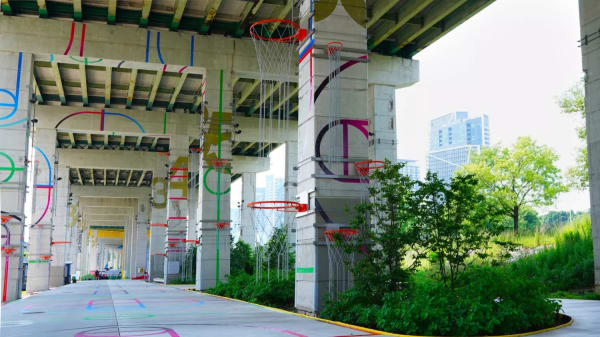
There's a supersized basketball court under the Gardiner Expressway
Leah Collins, CBC, July 20, 2021 -
Esmaa Mohamoud is turning the white gaze on its head
Kelsey Adams, Now Toronto, July 17, 2021 -
Artist Explores History Of Indigo In Exhibit Inspired By Haiti
Cristela Guerra, WBUR Boston, July 14, 2021 -
Genius at Work: 29 MacArthur Fellows Show Their Art in Chicago
Ted Loos, New York Times, July 13, 2021 -
Inside the Studio Where Artist Kennedy Yanko Creates Her Surreal Sculptures
Akili King, Vogue, July 11, 2021 -
‘I FELT IN BETWEEN PLACES’: IRANIAN ARTIST ARGHAVAN KHOSRAVI ON STUDYING ART IN THE U.S., AND WHY SHE PAINTS PREOCCUPIED
NOOR BRARA, ARTNET, July 7, 2021 -
In Boston, Art That Rises From the Deep
Siddhartha Mitter, New York Times, July 2, 2021 -
Ida B. Wells monument is unveiled in Chicago and a neighborhood turns out
Christopher Borrelli, Chicago Tribune, July 1, 2021 -
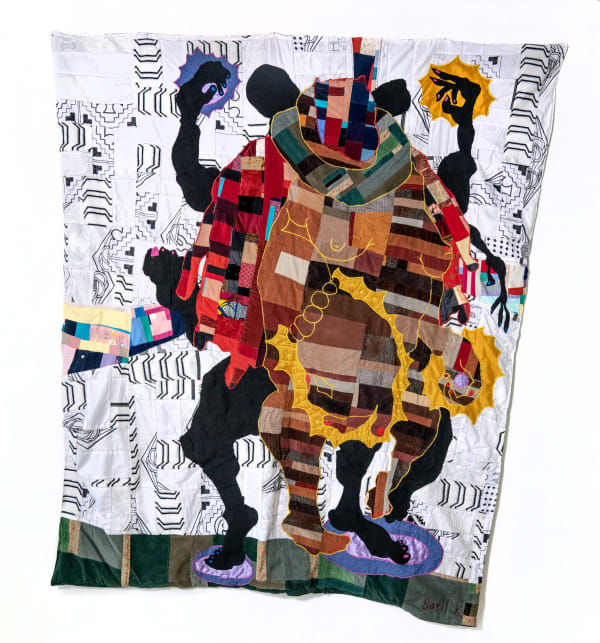
BASIL KINCAID DISCUSSES MEANING AND SYMBOLISM IN HIS NEW QUILTS
Phillip Barcio, Kavi Gupta Blog, June 29, 2021 -
Select Scotiabank Contact Photography Festival Outdoor Installations On View Now Across Greater Toronto
Art Fix Daily, June 23, 2021 -
Featured Artwork: Su Su presented by The Bennett Prize
Fine Art Connoisseur, June 21, 2021 -
Gracelee Lawrence on Striking the Right Balance
The Creative Independent, June 21, 2021 -
‘My Whole Body Is Moving With It’: Artist Kennedy Yanko on the Performative Nature of Making Sculpture
Katie White, Artnet News, June 16, 2021 -
Devan Shimoyama Installation at Smithsonian Arts and Industries Building
Meilan Solly, Smithsonian Magazine, June 15, 2021 -
ALLANA CLARKE TALKS BACK TO HISTORY
MORGAN JERKINS, Art In America, June 9, 2021 -
ALLANA CLARKE TALKS BACK TO HISTORY
Morgan Jerkins, Art in America, June 9, 2021 -
Let the Chaos Happen: An Interview with Jeffrey Gibson
Analú López, The Newberry, June 8, 2021 -
In the Studio With Clare Rojas, the Painter Who Won’t Be Boxed In
Stephanie Eckhardt, W Magazine, June 8, 2021 -
Manuel Mathieu: In Pursuit of Expansion
Tessa Moldan, Ocula, June 4, 2021 -
What artists can do in pandemic Japan. Message that Tomokazu Matsuyama put in Japan's first collection of works
Interview & Text: Miho Matsuda Edit: Sayaka Ito, Número, May 29, 2021 -
Marie Watt: Finding Creative Ways to Collaborate Through the Pandemic
Gabriella Angeleti, The Art Newspaper, May 26, 2021 -
Fostering Culture: A Review of Kour Pour at Kavi Gupta
Alan Pocaro, NEWCITY, May 24, 2021 -
Tomokazu Matsuyama: Boom Bye Bye Pain
ARTFORUM, May 22, 2021 -
Haiti’s revolutionary past rises at the ICA Watershed
Murray Whyte, Boston Globe, May 21, 2021 -
ONE WORK: ARGHAVAN KHOSRAVI'S "BLACK RAIN"
DAVID EVERETT HOWE, ART IN AMERICA, May 18, 2021 -
Chiffon Thomas - Vacant Magazine
Lui Val, VACANT, May 18, 2021 -
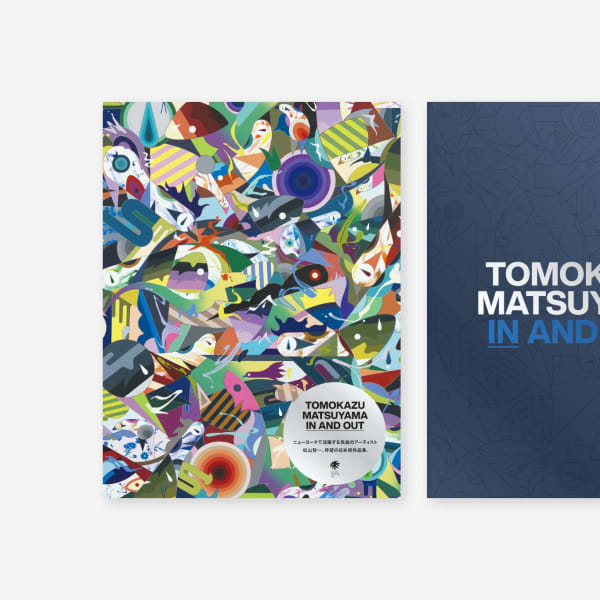
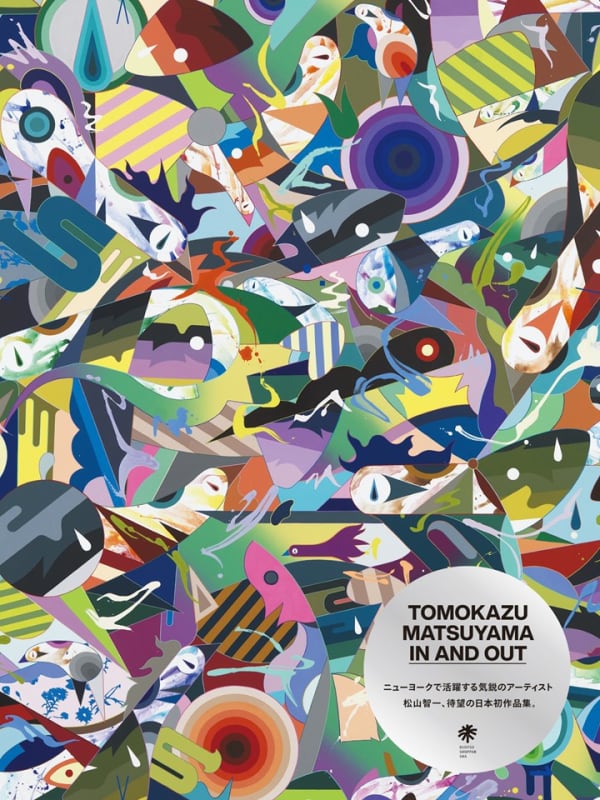
Tomokazu Matsuyama, the long-awaited first collection of works in Japan. " TOMOKAZU MATSUYAMA IN AND OUT "
Bijutsu Techo, May 14, 2021 -
Amazing exhibitions to see as we head #BackToMuseums
Eleanor Mills, Museums Association, May 14, 2021 -
Artists in a Post-George Floyd, Mid-Pandemic World
Aruna D'Souza, New York Times, May 14, 2021 -
Beverly Fishman’s intoxicating artworks are hard pills to swallow
Harriet Lloyd-Smith, Wallpaper, May 14, 2021 -
Why This 31-Year-Old Gallerist Is Partnering With Christie's To Auction NFTs
Alexandra Sternlicht, Forbes, May 13, 2021 -
Bellagio Gallery of Fine Art to debut new sports exhibit
KTNV, May 13, 2021 -
Basquiat and Other Artists of Color Lead a Swell of Auction Sales
Zachary Small and Robin Pogrebin, New York Times, May 13, 2021 -
Smart Museum’s ‘Toward Common Cause’ exhibition to showcase MacArthur Fellows
UChicago News, May 12, 2021 -
MANUEL MATHIEU’S PAINTINGS OF TRAUMA AND DESIRE
Conner Garel, Art In america, May 12, 2021 -
Scotiabank CONTACT Photography Festival in Toronto Celebrates 25th Anniversary Edition
Scotiabank CONTACT Photography Festival, Hyperallergic, May 11, 2021 -
‘They Have a Lot More Control Than They Think’: How Black Art Promoters Are Urging Artists to Look Beyond Traditional Wh
Melissa Smith, Artnet News, May 11, 2021 -
Assembled Sculptures by Artist Willie Cole Cluster High Heels into Expressive Masks
GRACE EBERT, COLOSSAL, May 5, 2021 -
The 2021 Sobey Art Award and and the National Gallery of Canada reveal 25 nominated artists
e-Flux, May 5, 2021 -
Artist-Activist Titus Kaphar Signs with United Talent Agency as He Expands into Film, TV, and Podcasts
ANTHONY D'ALESSANDRO, ARTnews, May 3, 2021 -
Tomokazu Matsuyama: A Sculpted Portrait
Hiroki Yamamoto, Tomokazu Matsuyama In And Out, May 1, 2021 -
Kennedy Yanko: Postcapitalist Desire
Folasade Ologundudu, The Brooklyn Rail, May 1, 2021 -
A festival for the eyes
AGO Insider, April 21, 2021 -
Toronto’s Contact Photography Festival expands its takeover of public spaces
Larry Humber, The Art Newspaper, April 10, 2021 -
Jaime Muñoz: Shattered Glass: Melahn Frierson and AJ Girard Curate Blockbuster Exhibition.
Evan Pricco, Juxtapoz, April 8, 2021 -
Uncovering America, one image at a time
Travis Diehl, Art Basel, March 26, 2021 -
For Art Basel’s ‘Pioneers,’ Galleries Bring a Mix of Old and New, Seeing Steady Sales
Maximilíano Durón, Angelica Villa, ARTnews, March 26, 2021 -
The Chicago Artist Taking A Whimsical Look At Art History
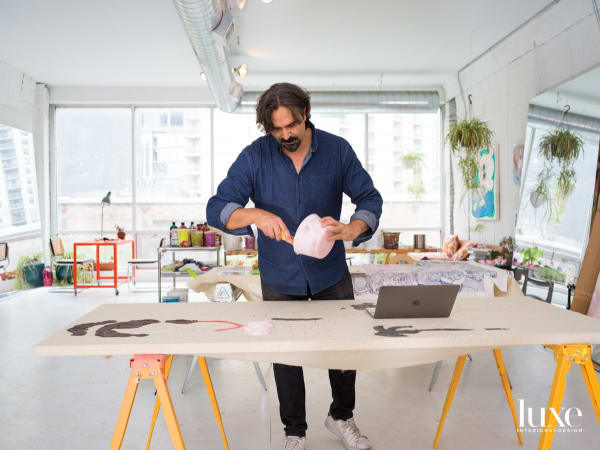
Mikki Brammer, Luxe Interiors + Design, March 25, 2021 -
Uncovering America, one image at a time
Travis Diehl, Art Basel, March 24, 2021 -
Trailblazing artists: some late, all great
Garteh Harris, Finacial Times, March 24, 2021 -
Marie Watt: An Artist Sews A Sense of Community
Robin Cembalest, Yale Alumni Magazine , March 20, 2021 -
Tomokazu Matsuyama’s Approach to Public Art
Yuji Akimoto Director, Nerima Art Museum, Tomokazu Matsuyama In And Out, March 20, 2021 -
Tomokazu Matsuyama Navigates Abstract Atmospheres in "Accountable Nature" Exhibition
Keith Estiler, Hypebeast, March 19, 2021 -
5 Questions for Visual Artist Miya Ando
Fabio Pariante, Museum Week Magazine, March 15, 2021 -
Manish Nai's engagement with repurposed material
Rahul Kumar, Mint Lounge, March 14, 2021 -
JAMAAL PETERMAN TAKES ON POWER, PERSONAL PURPOSE, AND SELF-DETERMINATION THROUGH PAINTING.
Maleke Glee, The Washington Informer Bridge, March 11, 2021 -
What Matters: Deborah Kass on the Music and Art That Move Her
Debbie Millman, PRINT, March 11, 2021 -
SPOTLIGHT Jeffrey Gibson ALL GOOD FIRES Sikkema Jenkins & Co.
ARTFORUM, March 1, 2021 -
Evolution of an Artist: In Conversation with Willie Cole
DeAnne Williams, Chrysler Museum of Art, February 18, 2021 -
The View from Without
Louis Bury, Art in America, February 16, 2021 -
Reasons to Be Optimistic: How Italy’s Art institutions Arose from the Pandemic
Barbara Casavecchia, Frieze, February 12, 2021 -
Dominic Chambers Has a New Vision of Black Intellectualism
Teresa Xie, Observer, February 11, 2021 -
LACMA Acquires Matsuyama Tomokazu’s “You Need to Come Closer”
Hollis Goodall, Unframed LACMA, February 10, 2021 -
Meet miya ando: artist
Shoutout LA, February 8, 2021 -
Art is trash without social impact. - NHK WORLD-JAPAN
NHK World Japan, February 7, 2021 -
BASIL KINCAID UNITED STATES ARTISTS 2021 FELLOW
ARTFORUM, February 3, 2021 -
Game-Changing Artists and Curators of Color Showcased in New Book
Maximilíano Durón, ARTnews, February 3, 2021 -
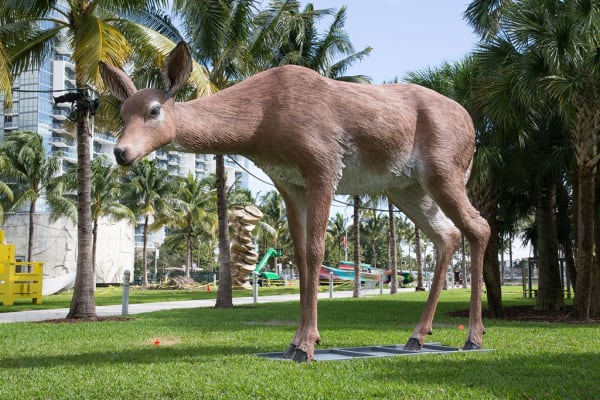
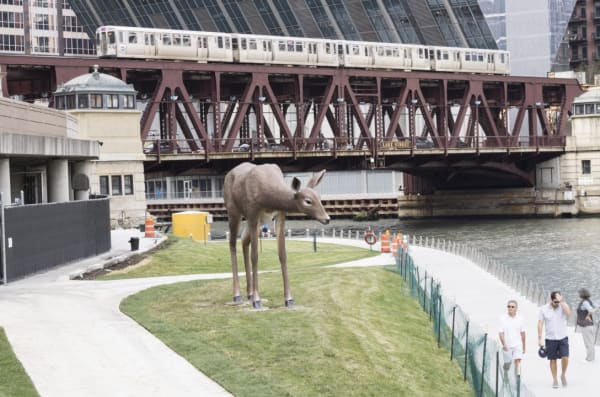
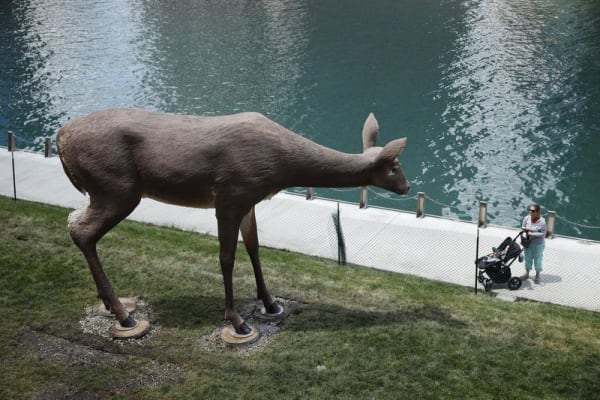
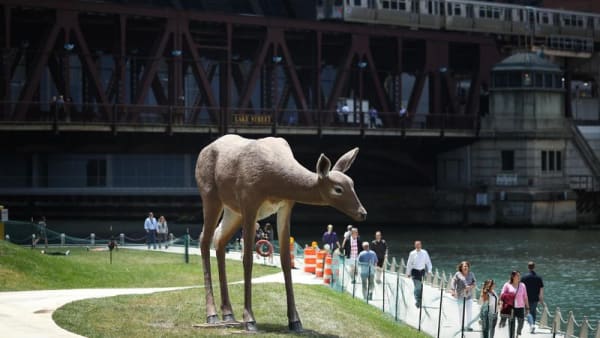
Whoa, a 'Deer,' a giant deer, turning heads at McNay Art Museum in San Antonio
Deborah Martin, San Antonio Express-News, February 3, 2021 -
Su Su: The Bennett Prize 2.0
American Art Collector, February 1, 2021 -
Comme Des Garçons Featuring Willie Cole
Sarah Mower, Vogue, January 27, 2021 -
NEW MARY SIBANDE INSTALLATION AT U-M MUSEUM OF ART REIMAGINES STORY OF SOUTH AFRICA’S DOMESTIC WORKERS
Sydney Hawkins, University of Michigan, January 21, 2021 -
Deborah Kass: Painting and Sculpture, ARTFORUM Review
Michelle Grabner, ARTFORUM, January 21, 2021 -
Tomokazu Matsuyama's Fragmented Harmonies at Long Museum
Sherry Paik, Ocula, January 20, 2021 -
Don't miss this: Tomokazu Matsuyama's exhibit is a little Nirvana
Yu Zhiming, Timeout Shanghai, January 19, 2021 -
Vida Heydari: Contemporary art’s new address in the city drawing in top talent
Ketaki Latkar-Mahajan, Hindustan Times, December 28, 2020 -
Marie Watt: Loro Piana Opening With a Powerful Art Installation
Brooke Bobbs, Vogue, December 14, 2020 -
Artist Titus Kaphar on depicting loss and finding purpose
Sara Kugel (writer), Chad Cardin (editor), CBS News, December 6, 2020 -
Deborah Kass: Teenage Dream by William J. Simmons
William J. Simmons, Flash Art, December 3, 2020 -
Su Su is a finalist for the $50,000 Bennett Prize
MARYLYNNE PITZ, Pittsburgh Post-Gazette, December 1, 2020 -
Artist Titus Kaphar Is Creating a New Artistic Canon
Tiana Reid, Wall Street Journal Magazine, November 15, 2020 -
‘We Barely Won’: 12 Artists and Collectives on the Challenges Culture Will Face After Donald Trump’s Presidency
Artnet, November 11, 2020 -
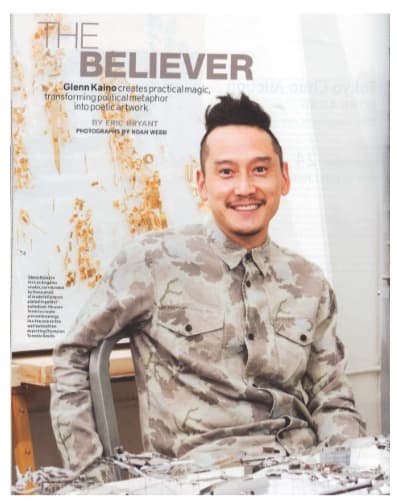
Science + social justice + magic. The spellbinding formula of artist Glenn Kaino
Deborah Vankin, Los Angeles Times, November 9, 2020 -
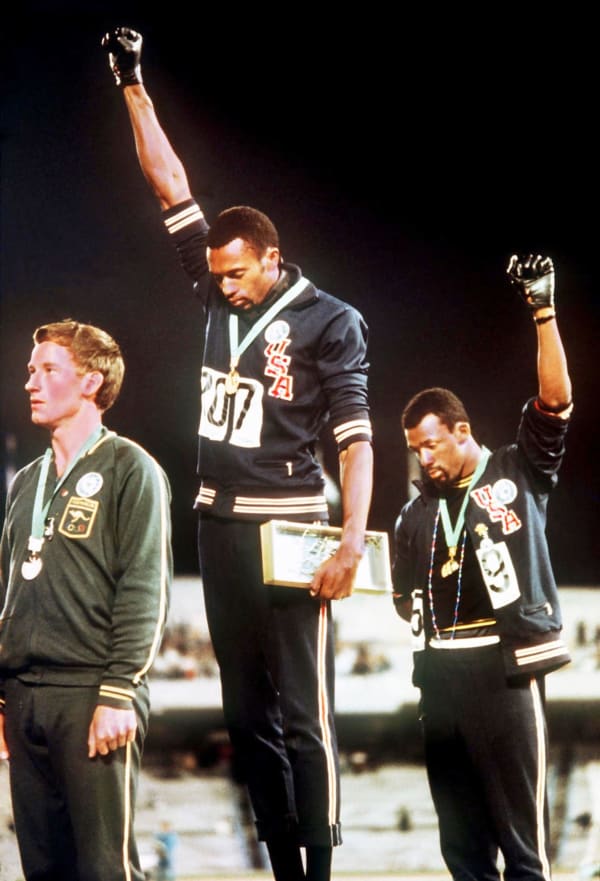
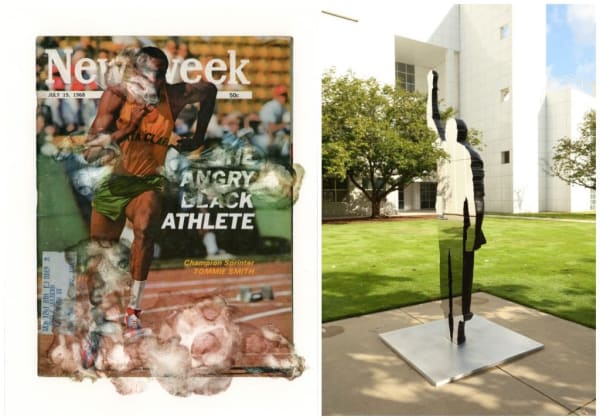
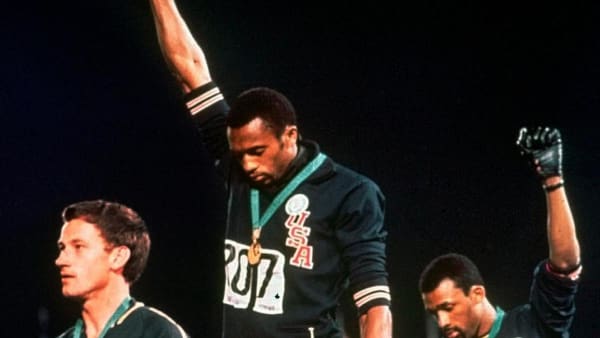
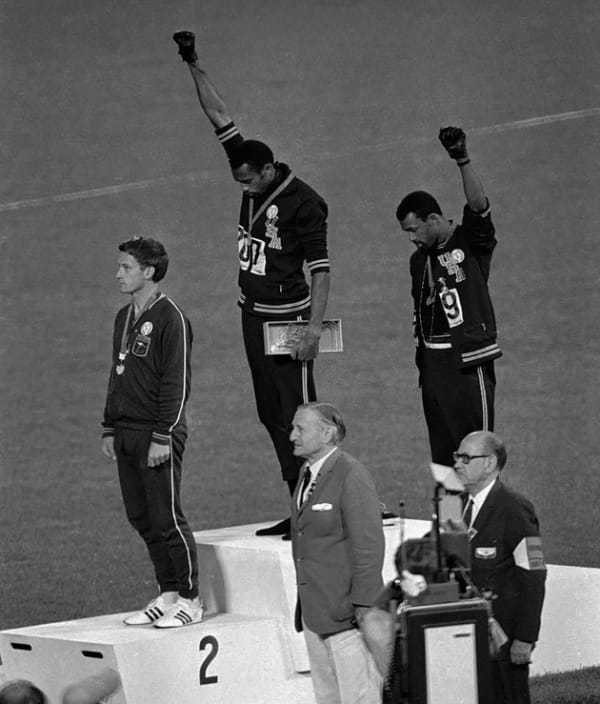
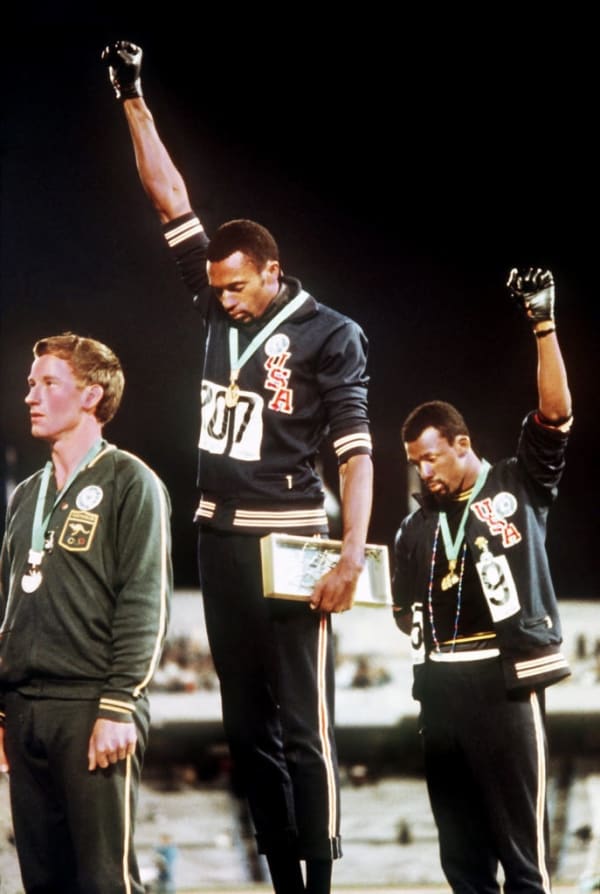
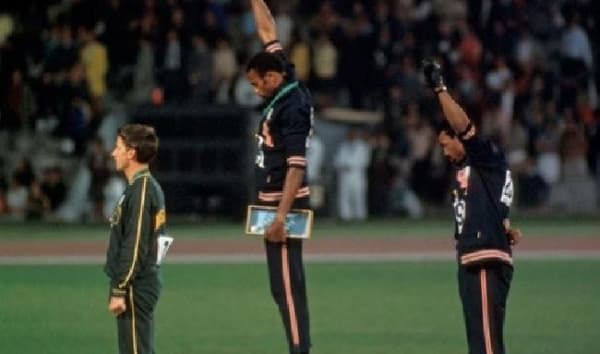
Olympic Protester Tommie Smith Reclaims His Legacy in a New Documentary
Nadja Sayej, Texas Monthly, November 4, 2020 -
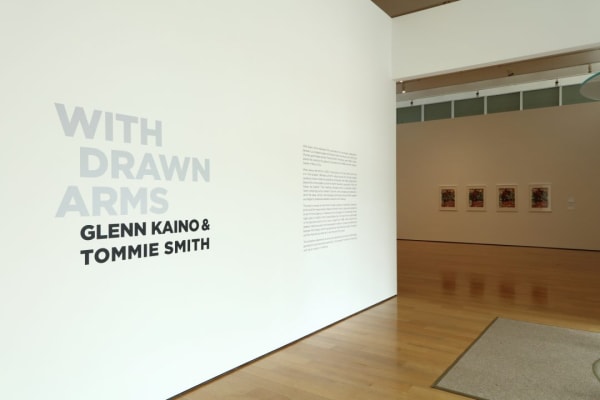
With Drawn Arms: Documentary Explores Life of Olympic Medalist Tommie Smith, Contemporary Influence of Historic Protest
Victoria L. Valentine, Culture Type, November 2, 2020 -
Brooklyn Rail: Beverly Fishman: I Dream of Sleep
William Corwin, Brooklyn Rail, October 27, 2020 -
James Little’s Black Paintings are a ‘Volley of Minimalist Ideals’ Exposing the Drama, Richness, and Contrasting Values
Victoria L. Valentine, Culture Type, October 22, 2020 -
Deborah Kass: MINISTRY OF TRUTH: 1984/2020 NOW OPEN!
Art At A Time Like This, October 19, 2020 -
South African artist Mary Sibande discusses Sophie, her alter ego
Shraddha Nair, StirWorld, October 17, 2020 -
Artists Like Jeffrey Gibson and Carrie Mae Weems Encourage Voting With New Billboards
Valentina Di Liscia, HYPERALLERGIC, October 16, 2020 -
Kennedy Yanko’s Sculptures Are a Certain Kind of Woman
Ella Huzenis, Interview Magazine, October 16, 2020 -
Kennedy Yanko’s Abstract Metal Sculptures Take Milan
Elisa Carollo, Art She Says, October 16, 2020 -
Artist Kennedy Yanko on Her Solo Show in Milan, Because it’s in my blood
Suzanne McFayden, All The Pretty Birds, October 16, 2020 -
Interview: Beverly Fishman on Cool Hunting
David Graver, Cool Hunting, October 16, 2020 -
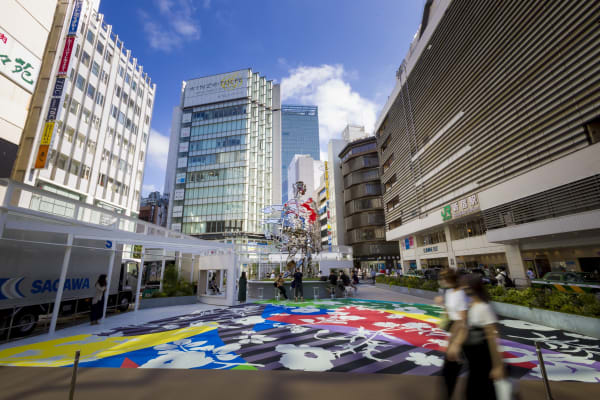
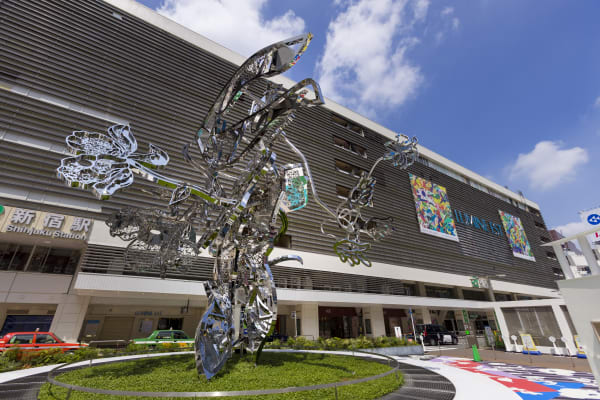
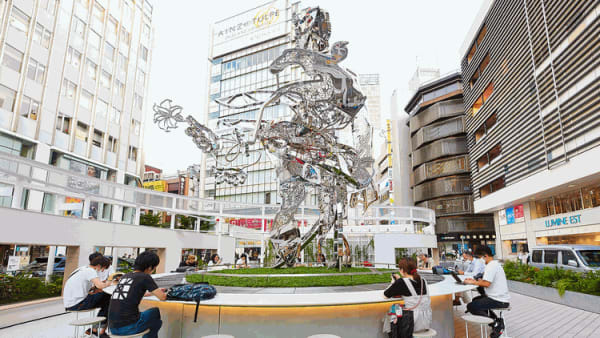
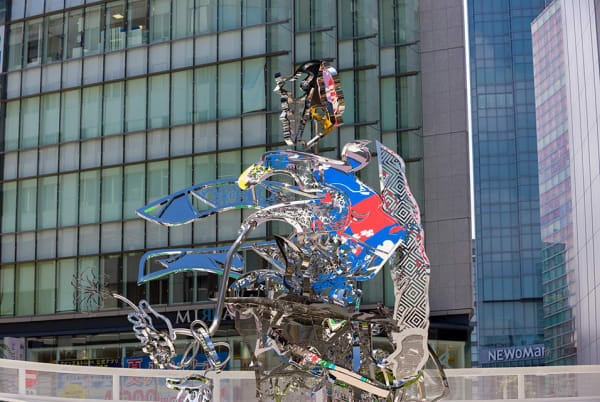
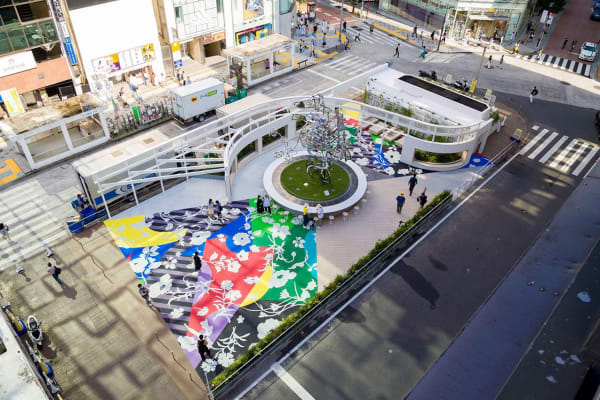
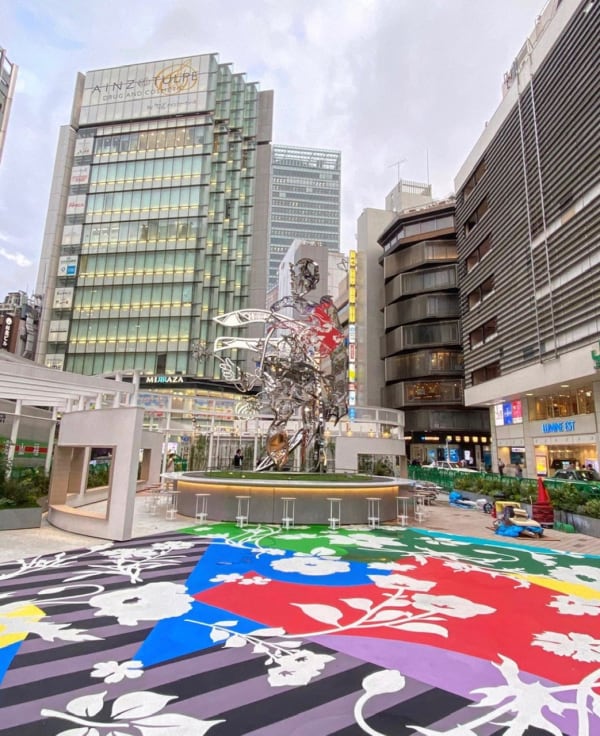
Shinjuku East Square is Tokyo’s Latest Public Art Project
Eliza Jordan, Whitewall, October 14, 2020 -
OUTDOOR VIDEO ART SCREENINGS AT BROOKLYN MUSEUM OFFER A BREAK FROM STREAMING FARE
Dessane Lopez Cassell, Brooklyn Museum, October 13, 2020 -
Jeffrey Gibson: Culture, Materials, Identity and Trade
Lowery Stokes Sims, Hyperallergic, October 11, 2020 -
MICHAEL JOO WITH AMANDA GLUIBIZZI
Amanda Gluibizzi, Brooklyn Rail, October 7, 2020 -
Studio Visit: Artist Katie Bell Is Making Sculptures From Cast-Off Remnants and Walking Through a Subdued Times Square
artnet news, September 30, 2020 -
NXTHVN IS A NEW KIND OF SPACE BUILT TO UPLIFT ARTISTS AND CURATORS OF COLOR
JACOBA URIST, PHOTOGRAPHY BY JAMEL SHABAZZ, Cultured Magazine, September 23, 2020 -
BLACK VOICES INITIATIVE
Kavi Gupta Editions, September 23, 2020 -
COVID-19 MASK PROJECT X DEBORAH KASS AVAILABLE FOR PURCHASE NOW
Kavi Gupta Editions, September 23, 2020 -
Glenn Kaino And Afshin Shahidi’s "With Drawn Arms" To Open 28th Annual Hamptons International Film Festival
Nicole Baryiski, Hamptons.com, September 18, 2020 -
Miya Ando – American Artist
Karline Moeller, Art Frankly, September 17, 2020 -
MARY SIBANDE IN BREDAPHOTO 2020
Merel Bem, deVolkskrant, September 17, 2020 -
'How Can I Make Sure That I'm Not The Only One?' Artist Helps Museum Diversify Collection
Emma Jacobs, NPR, September 17, 2020 -
Manuel Mathieu on NPR
Phillip Barcio, National Public Radio, September 16, 2020 -
Roger Brown Study Collection in VR
September 12, 2020 -
Marie Watt: Blanket Stories: Transportation Object, Generous Ones, Trek
Michelle Reynolds , Tacoma Art Museum , September 3, 2020 -
Hamptons Film Festival Selects ‘With Drawn Arms’ Documentary as Opener
Dave McNary, Variety, August 28, 2020 -
Katie Bell
Brooke Leboeuf, Sculpture, August 18, 2020 -
Going Beyond Geometry James Little’s Social Abstraction
William Corwin, The Arcade Project, August 15, 2020 -
Tomokazu Matsuyama Brings New Changes to the Art World: Between Border And Convergence
Brand Voice, ED Times, August 13, 2020 -
Shinjuku has a new community art park with a 7-metre sculpture
Kaila Imada, Timeout, August 11, 2020 -
All 19 Sculpture Milwaukee 2020 sculptures, ranked
Matt Wild, Milwaukee Record, August 11, 2020 -
JESSICA STOLLER MAKES PORCELAIN VISIONS OF THE REBELLIOUS FEMALE BODY
JANE URSULA HARRIS, Cultured, August 10, 2020 -
Purplewashing: Claiming Ambiguous Space in Johanna Billing's In Purple
CHRIS FITE-WASSILAK, Afterall ArtSchool, August 6, 2020 -
Tomokazu Matsuyama's latest Public Art Project: Shinjuku East Square
Jenevieve Kok, The Artling, July 30, 2020 -
Sculpture Milwaukee Announces 2020 Artists & Artworks
Sculpture Milwaukee, Urban MIlwaukee, July 27, 2020 -
DOMINIC CHAMBERS OPENS UP ABOUT HIS PROCESS AND WHAT HE’S BEEN MAKING IN QUARANTINE
CHARLES MOORE, Cultured, July 23, 2020 -
Jeffrey Gibson's Sculpture Kicks Off Multi-Phase 'Monuments Now' Exhibition
ArtFix Daily, July 22, 2020 -
Richard Serra, Carrie Mae Weems, Ed Ruscha, and Other Art Stars Designed Anti-Trump Poster Art for the 2020 US Elections
ArtnetNews, July 21, 2020 -
Landmark public art installation on urban innovation and cultural exchange ln Tokyo
ArtDaily, July 20, 2020 -
Tomokazu Matsuyama Installs Art Park With 26-Foot Tall Sculpture in Tokyo
Gabrielle Leung, Hypebeast, July 20, 2020 -
For Some Artists, Election Season Means ‘Enough of Trump’
Zachary Small, New York Times, July 20, 2020 -
A New Public Art Installation Outside Shinjuku Station by Artist Tomokazu Matsuyama
Johnny, Spoon & Tamago, July 19, 2020 -
Alfred Conteh—The Atlanta Artist Painting Black Reality
Phillip Barcio, Tikkun, July 17, 2020 -
ARTIST JEFFREY GIBSON ON MAKING A MORE INCLUSIVE MONUMENT
Karen Rosenberg, Artful, July 6, 2020 -
James Salomon visits INFINITE SEED at Bhumi Farms, East Hampton
James Salomon, WHITE HOT MAGAZINE, July 1, 2020 -
Artist Spotlight: Jamaal Peterman
Booooooom, June 29, 2020 -
Miya Ando: Infinite Seed Brings Collective Healing To East Hampton Through Art
Ann Binlot, Forbes, June 29, 2020 -
COVID REVIEWS: MARIA GASPAR, SUE HAVENS, TONY TASSET
Lori Waxman, Quarantine Times, June 27, 2020 -
Oil paintings by Dominic Chambers that focus on 'black talent, creativity and mysticism'
KATY COWAN, Creative Boom, June 24, 2020 -
Miya Ando: Infinite Seed Outdoor Show Offers Collective Healing in East Hampton
Lola Desmole, Whitewall, June 18, 2020 -
Three cultural projects exploring racial injustice and black resistance
Garteth Harrism Gabriella Angeleti, and José Da Silva, The Art Newspaper, June 13, 2020 -
The Prophecies of Deborah Kass
David Carrier, HYPERALLERGIC, June 13, 2020 -
Life During Wartime: Art in the Age of the Coronavirus
University of Southern Florida, June 6, 2020 -
'I Cannot Sell You This Painting.' Artist Titus Kaphar on his George Floyd TIME Cover
Titus Kaphar, TIME, June 4, 2020 -
WHY QUEER ARTIST DEBORAH KASS SEES MUCH MORE WORK TO BE DONE
Jennifer Sauer, CR Fashion Book, June 4, 2020 -
AFRICOBRA ARTISTS HONORED AT SCHOOL OF THE ART INSTITUTE OF CHICAGO 2020 VIRTUAL COMMENCEMENT, OFFER ADVICE TO GRADUATES
Victoria L. Valentine, CultureType, May 29, 2020 -
FIRELEI BÁEZ AMONG 2020 HERB ALPERT AWARD WINNERS — ARTFORUM, 05.27.2020
Artforum, May 27, 2020 -
Tomokazu Matsuyama at Meiji Jingu Forest Festival of Art
Nathalie Soo, The Artling, May 17, 2020 -
FIRELEI BÁEZ’S TIME AND SPACE
Hilarie M. Sheets, Cultured, May 17, 2020 -
On View: Firelei Báez Explores Diasporic Histories, Mythical Figures, and Imagined Realms at James Cohan Gallery in New
Victoria L. Valentine, Culture Type, May 8, 2020 -
WHAT THIS ARTIST NEEDS TO MAKE WORK DURING A PANDEMIC
John Yau, Hyperallergic, May 2, 2020 -
HOW ARTIST ARGHAVAN KHOSRAVI FINDS INSPIRATION DURING DIVISIVE TIMES
CAITLIN AGNEW, S/MAGAZINE, April 23, 2020 -
On-the-Spot with Deborah Kass
Brooklyn Rail, April 18, 2020 -
CANADA’S 2020 SOBEY ART AWARD TO DIVIDE GRAND PRIZE AMONG LONGLISTED ARTISTS
ARTFORUM, April 16, 2020 -
Tomokazu Matsuyama Celebrates Meiji Shrine Centennial With Massive 15-Foot Sculpture
Gabrielle Leung, Hypebeast, April 9, 2020 -
Miya Ando Invites You to Navigate the Silver River of Time
Shea Seery, Medium, March 29, 2020 -
TEN YEARS AGO, ARTIST JEFFREY GIBSON ALMOST QUIT THE ART WORLD IN FRUSTRATION. HERE’S HOW HE FOUND THE STRENGTH TO KEEP
Taylor Dafoe, Artnet News, March 28, 2020 -
CHICAGO ART HEIST: FASHION DESIGNER DURO OLOWU RAIDS CITY’S WALLS TO CREATE EXUBERANT ‘SEEING CHICAGO’ AT MCA — CHICAGO
Steve Johnson, Chicago Tribune, March 24, 2020 -
AMERICA’S BIG MUSEUMS ON THE HOT SEAT
Holland Cotter, New York Times, March 21, 2020 -
James Little: Color and Design Matter. So Does Optimism.
Hilarie M. Sheets, New York Times, March 19, 2020 -
Fleeting Light: Exploring the Non-dualistic Essence of All Things with American Artist Miya Ando
Nina Müller, Buddhist Door Global, March 9, 2020 -
ART AT A TIME LIKE THIS Featuring Deb Kass
ART AT A TIME LIKE THIS, March 1, 2020 -
Tony Tasset: The Weight
Phillip Barcio, February 28, 2020 -
HOT RIGHT NOW: 10 AMERICAN POST-WAR AND CONTEMPORARY ARTISTS TO HAVE IN YOUR COLLECTION
Christies, February 20, 2020 -
REVIEW: FRIEZE? PLEASE. TRY THE UPSTART FELIX ART FAIR AT THE HOLLYWOOD ROOSEVELT
Christopher Knight, Los Angeles Times, February 20, 2020 -
Jaime Muñoz: Artists go bumper to bumper at Frieze with auto-themed works
José da Silva, The Art Newspaper, February 15, 2020 -
Jaime Muñoz: Faces of Frieze 2020: Picturing the art crowd at Los Angeles’ premier fair
Jessica Gelt, Los Angeles Times, February 15, 2020 -
REMIXING NATIVE AMERICAN ART
Susan Delson, Wall Street Journal, February 6, 2020 -
Jaime Muñoz: Latinx and Latin American Artists Take Center Stage at Frieze Los Angeles 2020
FRIEZE, February 5, 2020 -
ALISA SIKELIANOS-CARTER
New American Paintings, February 1, 2020 -
Asia Society Texas Center presents new installation by artist Miya Ando
ArtDaily, January 27, 2020 -
DIVERSE, INCLUSIVE, MODERN: SAY ‘YO’ TO THE NEW CANTOR
Carissa Lee, The Stanford Daily, January 21, 2020 -
A splash of color on Canon
Beverly Press, January 16, 2020 -
‘YO’: STANFORD HAS A NEW, BRIGHT-YELLOW SOCIAL MEDIA MAGNET
Sam Whiting, SF Chronicle Datebook, January 16, 2020 -
‘YO’: Stanford has a new, bright-yellow social media magnet
Sam Whiting, San Francisco Chronicle, January 13, 2020 -
8 Artists To Watch In 2020: Mary Sibande
Lucy Strange, Go With Yamo, January 9, 2020 -
WHY ALFRED CONTEH IS THE DOPEST ARTIST YOU NEVER HEARD OF
Ida Harris, Blackstew, January 8, 2020 -
‘SHE WAS BRAVE, LIKE ME’: DEBORAH KASS AND PATRICIA CRONIN ON HOW ACTIVISM SPARKED THEIR ROMANCE, AND THE ART THEY CRAVE
Noor Brara , Artnet News, January 7, 2020 -
IMMERSIVE COMMUNITY: MICKALENE THOMAS BRINGS WARMTH TO MIAMI’S BASS MUSEUM
Caira Moreira-Brown, Fad Magazine, December 29, 2019 -
MICKALENE THOMAS RECREATES THE SPARKLING DANCE PARTIES AND RADICAL BLACK AESTHETIC OF THE ’70S AND ’80S
Ann Binlot, Document Journal, December 18, 2019 -
UNRAVELING THE TANGLED HISTORY OF THE HOODIE READ
Brigit Katz, Smart News: Smithsonia.com, December 14, 2019 -
MICKALENE THOMAS OPENS A SEDUCTIVE, SPECTACULAR SHOW IN MIAMI
Alina Cohen, Artsy, December 13, 2019 -
THE MOST INFLUENTIAL ARTIST OF 2019
Artsy Editors, Artsy, December 13, 2019 -
Oral History Project: Willie Cole by Nancy Princenthal
Nancy Princenthal , BOMB, December 12, 2019 -
Manish Nai: Highlights From Art Basel Miami Beach’s New ‘Meridians’ Section
Sarah Cascone, artnet news, December 4, 2019 -
JEFFREY GIBSON’S ARTISTIC REMIXES, FROM SONG LYRICS TO INDIGENOUS CRAFT
Laura Raicovich, HYPERALLERGIC, December 4, 2019 -
HOW I GET IT DONE: ARTIST MICKALENE THOMAS
Erica Schwiegershausen, The Cut, December 3, 2019 -
THE RISE AND RISE OF MICKALENE THOMAS
Carol VOgel, Town & Country, December 3, 2019 -
Michi Meko: A Lower Deep
Gerald Maa, Georgia Review , December 1, 2019 -
“THE HOODIE” EXHIBITION EXPLORES THE GARMENT’S ROLE AS A SOCIO-POLITICAL CARRIER
Keith Estiler, Hypebeast, November 22, 2019 -
Mary Sibande re-imagines the story of South Africa's domestic workers
Ginanne Brownell Mitic, CNN Style, November 7, 2019 -
Interview: James Little Talks “The Shape of Abstraction: Selections from the Ollie Collection” at Saint Louis Art Museum
Matthew Kistner, ReviewSTL, October 23, 2019 -
KENNEDY YANKO EXPLORES SHIFTING IDENTITIES THROUGH REPURPOSED METAL
Caira Moreira-Brown, CultBytes, October 22, 2019 -
Interview with artist Tomokazu Matsuyama, a Japanese who drew public art on the most famous wall in the United States
Takeshi Sato, GQ Japan, October 20, 2019 -
ACID ABSTRACTION: A REVIEW OF JEFFREY GIBSON AT KAVI GUPTA
Caira Moreira-Brown, NEWCITY ART, October 17, 2019 -
BOSTON’S ICA SELECTS FIRELEI BÁEZ FOR THIRD WATERSHED COMMISSION
ARTFORUM, October 11, 2019 -
DOMINICAN MULTIMEDIA ARTIST FIRELEI BÁEZ NAMED ICA WATERSHED ARTIST FOR 2020
Chris Triunfo, The Boston Globe, October 10, 2019 -
The Raptors salute their fans with a monument at Nuit Blanche
Radheyan Simonpillai, NOW Toronto, October 3, 2019 -
Artes Mundi Prize Shortlist Announced, 6 Artists Include Carrie Mae Weems, Firelei Báez, and Dineo Seshee Bopape
Victoria L. Valentine, Culture Type, September 27, 2019 -
MEET THE NEW CLASS OF MACARTHUR FELLOWS
N. Jamiyla Chisholm, Colorlines, September 26, 2019 -
JEFFREY GIBSON, MEL CHIN, AND CAMERON ROWLAND WON MACARTHUR FOUNDATION “GENIUS” GRANTS.
Christy Kuesel, Artsy, September 26, 2019 -
NAVIGATING THE PORTALS BETWEEN WORKS BY LIGIA LEWIS AND FIRELEI BAEZ — DIXA RAMÍREZ D'OLEO
Dixa Ramírez D'oleo, HYPERALLERGIC, September 26, 2019 -
MEL CHIN, JEFFREY GIBSON, AND CAMERON ROWLAND WIN MACARTHUR “GENIUS” GRANTS
ARTFORUM, September 25, 2019 -
MACARTHUR ‘GENIUS’ GRANTS GO TO MEL CHIN, JEFFREY GIBSON, CAMERON ROWLAND, MORE
Andrew Russeth, ARTNEWS, September 25, 2019 -
Tomokazu Matsuyama Takes Over Iconic Houston Bowery Wall
Street Art News, September 24, 2019 -
Tomokazu Matsuyama, ‘Matzu’, on the Bowery Art Wall
afinelyne, Gotham To Go, September 22, 2019 -
Jaime Muñoz is Driven by Self Reflection
Maria Vogel, Art of Choice, September 17, 2019 -
“The Sky Is the Limit”: A Conversation between Richard Hunt and Jordan Carter
Jordan Carter, Art Institute of Chicago, September 17, 2019 -
ARTISTS CAMERON ROWLAND, MEL CHIN, AND JEFFREY GIBSON ARE AMONG THE 2019 MACARTHUR ‘GENIUS’ GRANT WINNERS
Taylor Dafoe, ARTNET News, September 9, 2019 -
New Bowery Mural By Japanese Artist Tomokazu Matsuyama “Matzu” Underway
Michelle Young, Untapped Cities, September 1, 2019 -
The Keeper: Roger Brown, the Artist as Voracious Collector
Roberta Smith, The New York Times, August 29, 2019 -
Alisa Sikelianos-Carter Uses Glitter to Create Dazzling and Complex Artworks
Alina Cohen Aug 27, 2019, Artsy, August 27, 2019 -
THE FIERCE PRIDE AND PASSION OF RHINESTONE FASHION
Anne Showalter, Smithsonian, August 20, 2019 -
THIS D.C. BARBERSHOP AND ART GALLERY OFFERS INSIGHT INTO THE LGBTQ COMMUNITY ALONGSIDE FREE HAIRCUTS
Hannah Natansan, The Washington Post, August 20, 2019 -
A REFRESHING VISION OF THE FUTURE
Robert Archambeau, HYPERALLERGIC, August 20, 2019 -
Picturing Our Possible Futures
Phillip Barcio, Tikkun, August 16, 2019 -
ON VIEW: ‘WADSWORTH JARRELL: COME SATURDAY PUNCH’ AT KAVI GUPTA IN CHICAGO
Victoria L. Valentine, Culture Type, August 3, 2019 -
IN CHICAGO, OVERLOOKED ACHIEVEMENTS BY L.G.B.T.Q. ARTISTS
Arthur Lubow, The New York Times, August 2, 2019 -
As Detroit’s Reputation for Emerging Art Grows, a Wildly Ambitious Citywide Festival Shows a New Generation of Artists
Terence Trouillot, Artnet News, July 30, 2019 -
POTENT PIGMENTS: A REVIEW OF WADSWORTH JARRELL AT KAVI GUPTA
Caira Moreira-Brown, NEWCITY Art, July 30, 2019 -
How Emerging Initiatives Are Highlighting Detroit’s Evolving Arts Scene
Nia Groce, Hype Art, July 26, 2019 -
These Indian Artists Are Turning Waste Into Art
Kalyani Prasher, The Weather Channel, July 23, 2019 -
Miya Ando: The Anniversary of the Apollo 11 Mission Has the Art World Over the Moon. Here Are 8 Must-See Art Events in N
Caroline Goldstein, ArtNet News, July 16, 2019 -
BLACK MODELS IN MODERN ART
CBS News, Kay LIm, July 16, 2019 -
TAKE A LOOK AT THE BLANTON’S LATEST EXHIBIT: “THIS IS THE DAY”
Austin Monthly, July 11, 2019 -
ARTIST SCOTT REEDER REVISITS MOON WORLD AT KOHLER ARTS CENTER
John Michael Kohler Arts Center, Shepherd Express, July 9, 2019 -
MUSEUMS ARE SWAPPING PAINTINGS BY WHITE MALE ARTISTS FOR WORKS BY BLACK ARTISTS, FILLING HISTORIC GAPS IN THEIR COLLECTI
VIctoria Valentine, Culture Type, July 9, 2019 -
THREE YEAR SMITHSONIAN EXHIBITION TO HIGHLIGHT MEN OF COLOUR AND THEIR IMPACT ON HISTORY
Katherine Keener, Art-Critique, July 9, 2019 -
‘AFRICOBRA: Nation Time’ at Ca’ Faccanon, Venice
ARTnews, July 3, 2019 -
AIMING TO DIVERSIFY COLLECTION, SFMOMA PURCHASES 11 WORKS WITH PROFITS FROM $50 M. ROTHKO SALE
Claire Selvin, ARTnews, July 2, 2019 -
SFMOMA’S NEW ACQUISITIONS AN IMPORTANT DROP IN THE BUCKET
Charles Desmarais, SF Chronicle Datebook, July 2, 2019 -
SFMOMA SELLS ROTHKO PAINTING TO FUND PURCHASE OF 11 WORKS BY WOMEN AND MINORITIES
Jay Barmann, SFMOMA, July 2, 2019 -
NINA CHANEL ABNEY PACKS A VISUAL “PUNCH” IN MASSIVE LA EXHIBITION
Keith Estiler, Hypebeast, July 2, 2019 -
WIDEWALLS WELCOMES PERROTIN AND 18 OTHER TOP-TIER GALLERIES INTO ITS MARKETPLACE
PR Newswire, July 2, 2019 -
FIRELEI BÁEZ AT THE MENNELLO MUSEUM OF AMERICAN ART
Jean Marie Carey, Arte Fuse, July 2, 2019 -
‘BE SEEN’: PORTRAITS RECLAIMING THE GAY EXPERIENCE AT WADSWORTH ATHENEUM
Susan Dunne, Hartford Courant, June 27, 2019 -
TILDA SWINTON CURATES PHOTOGRAPHY INSPIRED BY VIRGINIA WOOLF’S ORLANDO
Ksenia M. Soboleva, HYPERALLERGIC, June 27, 2019 -
SFMOMA SOLD A ROTHKO FOR $50 MILLION TO DIVERSIFY ITS COLLECTION. HERE’S WHAT THEY BOUGHT WITH THE PROCEEDS
Taylor Dafoe, Artnet News, June 27, 2019 -
ART TOP 5: JULY 2019
Kerry Cardoza, NEWCITY Art, June 26, 2019 -
ART DEALERS ASSOCIATION OF AMERICA WELCOMES EIGHT NEW MEMBER GALLERIES
Artforum, Artforum, June 21, 2019 -
CLARKSON: HINSDALE LIBRARY ACQUIRES FIVE LIMITED EDITION PRINTS FOR ITS ART COLLECTION
Sara Clarkson, Chicago Tribune, June 13, 2019 -
NATIONAL YOUNGARTS FOUNDATION COMPETITION OPEN TO 15- TO 18-YEAR-OLD ARTISTS ACROSS DISCIPLINES
DanceLand, June 7, 2019 -
SURROUND YOURSELF IN THE 70S: MICKALENE THOMAS INSTALLATION COMES TO MIAMI’S BASS MUSEUM
Victoria Stapley-Brown, The Art Newspaper, June 7, 2019 -
MIAMI’S RUBELL MUSEUM TO OPEN NEW 100,000-SQUARE-FOOT HOME IN DECEMBER
ARTFORUM, ARTFORUM, June 6, 2019 -
WHITNEY BIENNIAL ARTISTS REVEAL THE CREATIVE PROCESSES BEHIND THEIR 2019 WORK
Milan Polk, Vulture, June 3, 2019 -
UPCOMING MMOCA SHOW A ‘MASH-UP’ OF TRADITION AND IDENTITY
Gayle Worland, Wisconsin State Journal , June 3, 2019 -
Miya Ando: KINTSUGI | Tracing Transience
Ani Bradberry, Col/ecteurs, June 1, 2019 -
ARTIST JEFFREY GIBSON’S ARTWORK ACTIVATES OVERLOOKED HISTORIES AND MARGINALIZED IDENTITIES
Jacoba Urist, Smithsonian, May 28, 2019 -
A BUYER’S GUIDE TO THE WHITNEY BIENNIAL: WHAT YOU NEED TO KNOW ABOUT THE EXHIBITION’S BRIGHTEST RISING STARS
Caroline Goldstein & Eileen Kinsella, Artnet News, May 28, 2019 -
TILDA SWINTON HAS CURATED AN EXHIBITION THEMED ON VIRGINIA WOOLF’S ORLANDO
Belle Hutton, Another, May 28, 2019 -
ARTS DISTRICT TO GET SIXTH STREET BRIDGE’S FIRST PUBLIC ART PIECE: A SCULPTURE OF THE ‘LA’ FINGERS
bianca Barragan, LA Curbed, May 28, 2019 -
PAST MEETS PRESENT IN INDIGENOUS FASHION SHOW
Mari Iwaski, Spectator, May 15, 2019 -
‘THEY’RE NOT NECESSARILY WELCOMING’ | ARTIST CHALLENGES HYPERMASCULINITY IN BLACK BARBERSHOPS WITH EXHIBIT IN ANACOSTIA
Michael Quander, WUSA9 Washington D.C., May 15, 2019 -
WE SPEAK TO THE ARTIST WHO JUST REDESIGNED THE DIOR BAR JACKET
Hannah Tindle, Another, May 15, 2019 -
MIGHTY MIGHTY ART INSTALLATION IS CENTERPIECE OF BARBERSHOP PROJECT AT THEARC
George Kevin Jordan, AFRO, May 15, 2019 -
RESORT 2020 – FIRST COLLECTIONS OVERVIEW
Trendstop Fashion United, May 15, 2019 -
REQUIRED READING
Hrag Vartanian, HYPERALLERGIC, May 15, 2019 -
INITIAL THOUGHTS AND HIGHLIGHTS FROM THE 2019 WHITNEY BIENNIAL
Zachary Small, HYPERALLERGIC, May 15, 2019 -
14 CULTURED ARTISTS IN THE 2019 WHITNEY BIENNIAL
Cultured Magazine, May 15, 2019 -
ALUMNA MICKALENE THOMAS HONORED WITH THE 2019 PIONEER WORKS VISIONARY AWARD
Pratt Institute, May 9, 2019 -
EVERY MUST-SEE MOMENT FROM DIOR’S RESORT 2020 SHOW
Francesca Wallace, Marie Claire, May 6, 2019 -
INSIDE PIONEER WORKS’S 6TH ANNUAL VILLAGE FETE
Lilah Ramzi, Vogue, May 5, 2019 -
DC ART EXHIBIT FEATURES BARBERSHOP, FREE HAIRCUTS THROUGHOUT THE SUMMER
Madeline Simon, WTOP News, May 5, 2019 -
FIRELEI BÁEZ’S INTOXICATING INSTALLATION IS A FEMINIST ODE TO THE AFRICAN DIASPORA
Julia Wolkoff, Artsy, May 3, 2019 -
MICKALENE THOMAS’ TOTAL ENGAGEMENT
Sharon Edelson, WWD, May 2, 2019 -
NIGERIANS REACT TO THE #DIORCRUISE 2020 “AFRICAN WAX” COLLECTION
Bella Naija, May 1, 2019 -
Cameron Welch Exhibits Mythological Mosaics
Eric Brain, Hype Beast, April 30, 2019 -
MARIA GRAZIA CHIURI FINDS COMMON GROUND IN MARRAKESH FOR DIOR
Trey gaskin, L'Officiel, April 30, 2019 -
DIOR CRUISE 2020: MICKALENE THOMAS AND GRACE WALES BONNER ON REDESIGNING THE ICONIC BAR JACKET
Par Vogue, Par Vogue, April 30, 2019 -
HOW QUEER ARTISTS ARE LEVELING THE SCALES FOR THE NEXT GENERATION
Mikelle Street, Out Magazine, April 25, 2019 -
OPEN SOCIETY FOUNDATION NAMES WINNERS OF 2019 SOROS ARTS FELLOWSHIPS
Annie Armstrong, Artnews, April 25, 2019 -
LEXICON: THE LANGUAGE OF GESTURE IN 25 YEARS AT KEMPER MUSEUM
Breeze Richardson, Cision PRWEB, April 24, 2019 -
Artist Kour Pour Returns to Tokyo with New Perspective
Nick Narigon, Tokyo Weekender, April 15, 2019 -
AROUND AMERICA’S DINNER TABLE
Merrell Hambleton, The New York TImes Style Magazine, April 10, 2019 -
CLOSE TO HOME: DEVAN SHIMOYAMA ON HIS GLIMMERING, INCISIVE PORTRAITS AT KAVI GUPTA GALLERY IN CHICAGO
Claire Voon, ARTnews, April 4, 2019 -
TONY TASSET NAMED THE 2019 DISTINGUISHED ALUMNUS
Art Academy Cincinnati, April 4, 2019 -
A Curator Finds Inspiration In Abstract Expressionism at The American Fine Arts Society Gallery
Gary Duff, Gotham, April 3, 2019 -
BOOTS RILEY ON THE LINKS BETWEEN ART, SURREALISM AND SOCIAL JUSTICE
Victoria Stapley-Brown, The Art Newspaper, April 3, 2019 -
Seeing beauty in the mundane
Colleen Walsh, The Harvard Gazette, April 2, 2019 -
ART TOP 5: APRIL 2019
Elliot Reichert, New CIty, April 2, 2019 -
‘YOUR BODY ITSELF IS ALREADY A PLACE OF POLITICS’: CONTEMPORARY ARTISTS RESPOND TO EIGHT QUESTIONS FROM AFRICOBRA COFOUN
ARTNEWS, ARTNEWS, April 1, 2019 -
Willie Cole
Ren Ellis Neyra, ARTFORUM, March 27, 2019 -
ARTIST PROPOSALS FOR SHIRLEY CHISHOLM MONUMENT IN NEW YORK REVEALED
Claire Selvin, ARTnews, March 27, 2019 -
SEE THE FIVE ARTIST PROPOSALS FOR NYC’S SHIRLEY CHISHOLM MONUMENT
Zachary Small, HYPERALLERGIC, March 27, 2019 -
SEE PROPOSALS BY MICKALENE THOMAS, FIRELEI BÁEZ, AND OTHERS FOR A MONUMENT TO THE FIRST BLACK WOMAN TO SERVE IN CONGRESS
Sarah Cascone, Artnet News, March 27, 2019 -
ARTIST DEVAN SHIMOYAMA PUTS GLITTER ALL OVER TOXIC MASCULINITY
Raquel Willis, Out Magazine, March 18, 2019 -
THE BROAD BRINGS ‘SOUL OF A NATION’ EXHIBITION TO WEST COAST
Enrique Menendez, HYPEBEAST, March 13, 2019 -
THE “FUNDAMENTALLY TRANSGRESSIVE” ATTITUDE OF THE CHICAGO IMAGISTS
Elephant, Elephant, March 13, 2019 -
ARTIST JEFFREY GIBSON MIXES INDIGENOUS HERITAGE, POP CULTURE AND ART THERAPY IN SAM SHOW
Lisa Edge, Real Change News, March 13, 2019 -
INCREASING EXPOSURE FOR NATIVE ARTISTS
Alex V. Cipolle, New York Times, March 13, 2019 -
A CONVERSATION ON INDIGENOUS CRAFT AND DESIGN WITH JEFFREY GIBSON
Deen ELGenaidi, HYPERALLERGIC, March 12, 2019 -
THE GIBBES MUSEUM OF ART TO EXHIBIT “BLACK REFRACTIONS: HIGHLIGHTS FROM THE STUDIO MUSEUM IN HARLEM”
The Charleston Chronicle , March 12, 2019 -
PAPER CITY AND GHOST MODERNITY: IN CONVERSATION WITH RANJANA STEINRUECKE
Artfervour, March 6, 2019 -
NEW SAM EXHIBITION EXPLORES INTERSECTIONALITY
MIchaela Moore, Seattle Spectator, March 6, 2019 -
James Little: Artseen | New York-Centric
William Corwin, Brooklyn Rail, March 5, 2019 -
JEFFREY GIBSON’S ART, ON VIEW AT SAM, KNOCKS DOWN BOUNDARIES WITH GENTLE TAPS AND POTENT BLOWS
Gayle Clemans, The Seattle TImes, March 5, 2019 -
JEFFREY GIBSON BRINGS ‘LIKE A HAMMER’ EXHIBIT TO SAM
Blake Peterson, The Daily UW, March 4, 2019 -
A BROOKLYN ARTIST FINDS INSPIRATION, AND REFUGE, IN PUERTO RICO
Osman Can Yerebakan, The New York TImes, March 4, 2019 -
JEFFREY GIBSON’S LIKE A HAMMER STRIKES TODAY
Jasmyne Keimig, The Stranger, March 1, 2019 -
BRONX MUSEUM OF THE ARTS EXPANDS BOARD OF TRUSTEES
ARTFORUM, February 25, 2019 -
2019 WHITNEY BIENNIAL ANNOUNCES PARTICIPATING ARTISTS
ARTFORUM, ARTFORUM, February 25, 2019 -
Ahmedabad has a new museum, and it’s dedicated to a shade of blue
SHAHNAZ SIGANPORIA, Vogue, February 11, 2019 -
ARTS AND ENTERTAINMENT | ART ARTIST MICKALENE THOMAS AND AUTHOR DARNELL MOORE EXPLORE RACE, IDENTITY AT ‘ENTANGLED SPIRI
Esterah Brown, Columbia Spectator , February 8, 2019 -
“SHE PERSISTS”: AN UNPRECEDENTED SHOW OF ART BY WOMEN IN “THE PEOPLE’S HOUSE”
Andrea K. Scott, The New Yorker, February 5, 2019 -
BEYONCÉ’S BLACK HISTORY MONTH COLLAGE TEACHES US A POWERFUL LESSON
Jolie A. Doggett, Huffington Post, February 5, 2019 -
NEXT UP ON THE HIGH LINE IN NEW YORK: PAINTINGS
Annie Armstrong, ARTnews, February 5, 2019 -
ATLANTA STOKES A CIVIL RIGHTS CONVERSATION FOR SOME SUPER BOWL PLAYERS
Ken Belson, New York Times, February 2, 2019 -
How Tomokazu Matsuyama Appropriates Images to Create Fine Art
Keith Estiler, Hypebeast, February 1, 2019 -
JEFFREY GIBSON: THE ANTHROPOPHAGIC EFFECT
New Museum, New Museum, February 1, 2019 -
THIS IS NO TIME TO CRY WITH DEVAN SHIMOYAMA
Maria Brito Co-Produced and Co-Edited by Peter Koloff and Maria Brito, Cultured, February 1, 2019 -
SPORTS, TOMMIE SMITH AND RACIAL INJUSTICE
Bo Emerson, Atlanta Journal Constitution, February 1, 2019 -
JEFFREY GIBSON SELECTED FOR 2019 WHITNEY BIENNIAL
January 26, 2019 -
UNITED STATES ARTISTS NAMES 2019 FELLOWS, INCLUDING FIRELEI BÁEZ, WU TSANG, AND CECILIA VICUÑA
Alex Greenberger, ART NEWS, January 22, 2019 -
11 FEMALE ARTISTS REINVENT THE LADY DIOR BAG
ARNAUD KLEIN, VOGUE, January 21, 2019 -
INDOMITABLE: AFRICAN AMERICAN ARTISTS IN ‘ON THEIR OWN TERMS’ AT UA LITTLE ROCK UA LITTLE ROCK SHOWS HOW AFRICAN-AMERICA
January 17, 2019 -
BLACK CANADIAN WOMEN ARTISTS DETANGLE THE ROOTS OF BLACK BEAUTY
Cheryl Thompson, The Conversation, January 17, 2019 -
CULTURE TYPE: THE YEAR IN BLACK ART 2018
Victoria L. Valentine, Culture Type, January 15, 2019 -
ARTIST DEVAN SHIMOYAMA TAKES ON RACE AND SEXUALITY WITH GLITTER AND RHINESTONES
Noah Johnson, GQ Magazine, January 15, 2019 -
THE BILLIONAIRE WHO IS TRYING TO MAKE DALLAS TRENDY
Sheila Marikar, Fortune, January 11, 2019 -
LADY DIOR | MICKALENE THOMAS
PAULETTE ELY, Flaunt, January 10, 2019 -
STUDIO MUSEUM ACQUIRES AFRICOBRA WORKS
Joshua Bell, The Studio Museum in Harlem, January 9, 2019 -
PITTSBURGH REPORT: FIVE PLACES FOR HEALING THROUGH ART
Martha Schwendner, The New York TImes, January 2, 2019 -
Africobra & Jeffrey Gibson: Best of 2018 | Our Top 20 Exhibitions Across the United States (excerpt)
Hyperallergic, December 19, 2018 -
‘ANONYMOUS WAS A WOMAN’ AWARD GIVES MAJOR BOOST TO 10 FEMALE ARTISTS
Colleen Curry, Galerie, December 18, 2018 -
WHY THIS FEMALE-LED ORGANIZATION GIVES ART GRANTS TO WOMEN 40 AND OVER
Angela M.H. Schuster, Robb Report, December 11, 2018 -
THE RECIPIENTS OF THE 2018 ANONYMOUS WAS A WOMAN GRANTS FOR FEMALE ARTISTS WERE ANNOUNCED
Artsy, Artsy, December 11, 2018 -
ART MOVEMENTS (EXCERPT)
Jasmine Weber, Hyperallergic, December 11, 2018 -
HERE ARE THE 10 FEMALE ARTISTS OVER 40 WHO HAVE WON THE $250,000 ANONYMOUS WAS A WOMAN AWARDS
Sarah Cascone, Artnet News, December 11, 2018 -
JEFFREY GIBSON WITH NICK BENNETT
Nick Bennett, Brooklyn Rail, December 11, 2018 -
LONG-RUNNING ‘ANONYMOUS WAS A WOMAN’ GRANTS AWARDED FOR 2018, WITH BETTY TOMPKINS AND DEBORAH ROBERTS AMONG 10 WINNERS
Alex Greenberger, ARTnews, December 11, 2018 -
“ANONYMOUS WAS A WOMAN” NAMES 2018 GRANT RECIPIENTS
Art Forum, ARTFORUM, December 11, 2018 -
TWO REVELATORY EXHIBITIONS UPEND OUR UNDERSTANDING OF BLACK MODELS IN ART
Sebastian Smee, Washington Post, December 10, 2018 -
5 OUTSTANDING DISCOVERIES AT MIAMI ART WEEK’S SATELLITE FAIRS
Andrew Goldstein, ARTNET, December 8, 2018 -
THE ART WORLD OFTEN EXCLUDES BLACK WOMEN. MICKALENE THOMAS’S SUPERPOWER IS MAKING THEM VISIBLE
Amanda Parris, CBC, December 8, 2018 -
THE EMERGENCE OF A BRASH YOUNG PAINTER
David Carrier and Graham Shearing, HYPERALLERGIC, December 8, 2018 -
AFRICOBRA: MESSAGES TO THE PEOPLE
December 6, 2018 -
JEFFREY GIBSON’S FUTURIST GAZE
Seph Rodney, HYPERALLERGIC, December 5, 2018 -
THE BALTIMORE MUSEUM OF ART – MICKALENE THOMAS SELECTED AS INAUGURAL ARTIST FOR NEW BIENNIAL PUBLIC ART COMMISSION
E-Flux, December 2, 2018 -
AFRICOBRA: Still the Main Attraction, Art Basel Returns to Miami Beach
Paul Laster, Galerie, December 1, 2018 -
DECONSTRUCTING RACE IN WESTERN PAINTING
David Carrier, HYPERALLERGIC, December 1, 2018 -
AT MIAMI’S ART FAIRS, A SOMBER MOOD SETS IN
Kelly Crow, Wall Street Journal, December 1, 2018 -
BALTIMORE MUSEUM OF ART LAUNCHES COMMISSION SERIES AND CURATORIAL FELLOWSHIP WITH FOCUS ON DIVERSITY
ARTFORUM, November 30, 2018 -
After a frustrated search in nature, Atlanta artist Michi Meko seeks to create a sense of peace at MOCA GA
Donna Mintz, ArtsATL, November 29, 2018 -
FROM A JUDY CHICAGO RETROSPECTIVE TO A CELEBRATION OF AFRICOBRA, HERE ARE 11 SHOWS TO SEE IN MIAMI DURING ART BASEL
Caroline Goldstein, Artnet News, November 27, 2018 -
Museum of Contemporary Art North Miami Shines New Light on AFRICOBRA
Chadd Scott, Forbes, November 25, 2018 -
BEVERLY FISHMAN
David Rhodes, Brooklyn Rail, November 20, 2018 -
STUDIO VISIT: FIRELEI BÁEZ
Isabel Custodio, MOMA Magazine, November 14, 2018 -
THE BEST ART EXHIBITIONS IN SEOUL
Yujin Min, Frieze, November 13, 2018 -
MOCA North Miami Celebrates the AFRICOBRA Movement, Just In Time For Art Basel
Elena Martinique, Widewalls, November 12, 2018 -
POSING MODERNITY
Long Nguyen, Flaunt, November 12, 2018 -
AS IF, AUDEMARS PIGUET BRING STIMULATING TALK TO BEAUTIFUL SETTING
Sharon Edelson, WWD, November 9, 2018 -
WHAT IT MEANS WHEN COLUMBIA DOES A SHOW ABOUT THE BLACK MODEL ON ITS WEST HARLEM EXPANSION CAMPUS
Tiana Reid, Vulture, November 9, 2018 -
50 YEARS LATER, CHICAGO ARTISTS ARE GETTING THEIR DUE
Tarrio Mzezewa, New York Times, November 8, 2018 -
REDRAWING THE HISTORY OF WOMEN OF COLOR IN VIBRANT HUES
Julia Friedman, HYPERALLERGIC, November 7, 2018 -
JEFFREY GIBSON
Zack Hatfield, ARTFORUM, November 6, 2018 -
FIRELEI BÁEZ WITH HỒNG-ÂN TRƯƠNG
Hồng-Ân Trương, The Brooklyn Rail, November 1, 2018 -
SEVEN ARTISTS ON THE WARHOL INFLUENCE (EXCERPT)
Autwaun Sargent, New York Times, November 1, 2018 -
BEYOND IDENTITY POLITICS, THE ART OF JEFFREY GIBSON
Amy Zion, Art Basel, November 1, 2018 -
ARTIST JEFFREY GIBSON MERGES HIS QUEER AND NATIVE AMERICAN IDENTITIES
Coco Romack, Out, October 31, 2018 -
RAISED FIST: TOMMIE SMITH AND HIS “MOMENT OF TRUTH” AT THE 1968 MEXICO CITY OLYMPICS
CBS News, October 28, 2018 -
HIGH EXHIBIT EXAMINES SMITH’S ICONIC OLYMPIC SALUTE
Neighbor Staff, Neighbor Newspapers, October 25, 2018 -
THE ANDY WARHOL MUSEUM WOWS WITH THE GLITTER AND GRIT OF DEVAN SHIMOYAMA: CRY, BABY
Amanda Waltz, Pittsburgh City Paper, October 24, 2018 -
POSING MODERNITY: THE BLACK MODEL FROM MANET AND MATISSE TO TODAY
Apollo Magazine, October 24, 2018 -
AMID RISING CALLS FOR SOCIAL JUSTICE IN AMERICA, THE CLENCHED FIST IS APPEARING IN ARTWORK AND MUSEUMS
Victoria L. Valentine, Culture Type, October 23, 2018 -
MATISSE TO MODERNITY: THE EVOLUTION OF BLACK FEMALE MODELS IN ART
Nadja Sayej, Guardian, October 22, 2018 -
DEVAN SHIMOYAMA WITH HIS 2018 WORK 11 ‘CRY, BABY’: DEVAN SHIMOYAMA’S YOUNG CAREER TAKES OFF WITH SOLO SHOW AT THE WARHOL
M. THOMAS, Pittsburgh Post-Gazette, October 19, 2018 -
THE MEANING OF METAL: RICHARD HUNT BALANCES NATURAL AND INDUSTRIAL THROUGH SCULPTURE
Jessica Smith, Flagpole Magazine, October 17, 2018 -
LIFE-ALTERING PROTESTS AS RELEVANT TODAY AS THEY WERE 50 YEARS AGO
Daniel Bates, The National Art and Culture, October 16, 2018 -
ARTS REVIEW: IN DEPICTING WOMEN IN HER LIFE, PAINTER MICKALENE THOMAS PREFERS FLASH, DEPTH
Nancy Gilson, The Columbus Dispatch, October 14, 2018 -
THE PAINTER REIMAGINING RARELY SEEN WARHOL WORK WITH BLACK DRAG QUEENS
Lexi Manatakis, DAZED, October 12, 2018 -
MICKALENE THOMAS MAKES A MUSE OF CARDI B
Jasmine Weber, HYPERALLERGIC, October 11, 2018 -
CARDI B CHANNELS HOLLYWOOD’S LEGENDARY LATINA GLAMOUR QUEENS IN W’S ART ISSUE (EXCERPT)
Diane Solway, W Magazine, October 10, 2018 -
HIGH ART: CARDI B AND ARTIST MICKALENE THOMAS COLLAB FOR W MAGAZINE
Maiysha Kai, The Glow Up | The Root, October 10, 2018 -
ARTIST EMBRACES ALTERNATIVE PERSPECTIVES ON RACE
Andrew Ptaschinski, Carnegie Mellon University, October 9, 2018 -
WARHOL MUSEUM DRAWS PARALLELS WITH DEVAN SHIMOYAMA’S “CRY, BABY”
Amanda Reed, Pittsburgh Current, October 9, 2018 -
Su Su's Surreal, Distorted Paintings Analyze the Politics of Representation Through Imagined Worlds
JUXTAPOZ, October 8, 2018 -
PROPS, ASSISTS AND SITUATIONS: JESSICA STOCKHOLDER AT THE CONTEMPORARY AUSTIN
Tatiana Ryckman, Glasstire, October 6, 2018 -
CHICAGO ROUNDUP (EXCERPT)
Orti Gat, Art Agenda, October 5, 2018 -
Miami's MOCA Presents Chicago-based AFRICOBRA Collective During Art Basel Miami Beach 2018
Art Fix Daily, Art Fix Daily, October 4, 2018 -
MONIQUE DAVIS TAKES HELM OF CENTER FOR ART & PUBLIC EXCHANGE (EXCERPT
MBJ Staff, Mississippi Business Journal, October 4, 2018 -
‘90S CLUB-KID MEETS MODERN ABSTRACTION IN JEFFREY GIBSON’S SOLO SHOW
Carol Kino, Wall Street Journal Magazine, October 4, 2018 -
THE HIGH MUSEUM OF ART CELEBRATES TOMMIE SMITH AND THE POWER OF PROTEST
Cassidy Sparks, Rolling Out, October 4, 2018 -
REVIEW: POLITICAL PROTEST THE FOCUS OF HIGH MUSEUM’S ‘WITH DRAWN ARMS
Felicia Feaster, Atlanta Journal Constitution , October 3, 2018 -
EVEN AS BREXIT LOOMS, GALLERIES NOTCH SALES ON FRIEZE LONDON’S OPENING DAY (EXCERPT)
Judd Tully, ARTnews, October 3, 2018 -
5 LESSONS IN FEMINIST ART (EXCERPT)
Jenna Adrian-Diaz, The Cut, October 3, 2018 -
ARTIST MICKALENE THOMAS OPENS UP ABOUT THE IMPORTANCE OF DIVERSE BODIES IN HER WOR
Kimberly Drew, Hapers Bazaar, October 3, 2018 -
THE HIGH’S LATEST EXHIBIT REINTERPRETS THE 1968 OLYMPIC PROTEST
Patrice Worthy, WABE NPR, October 2, 2018 -
EXHIBIT EXPLORES THEMES OF RACE, STEREOTYPES, COMMUNITY AND LOVE
Tara Thomas, WJTV, October 1, 2018 -
HIGH MUSEUM’S LATEST EXHIBITION, “WITH DRAWN ARMS,” SPEAKS TO #TAKEAKNEE AND #BLACKLIVESMATTER
kelundra Smith, Atlanta Magazine, October 1, 2018 -
NATIVE AMERICAN TRADITION MEETS MODERN AESTHETICS IN JEFFREY GIBSON’S ‘DON’T MAKE ME OVER’
Sun Cha, The Hoya, October 1, 2018 -
EXHIBITION REFLECTS ON 1968 OLYMPIC PROTEST AND ITS LEGACY
Kate Brumback, The Herald News, September 29, 2018 -
EXHIBITION REFLECTS ON 1968 OLYMPIC PROTEST AND ITS LEGACY
Kate Brumback, AP, September 29, 2018 -
Exhibition Essay Tomokazu Matsuyama: No Place Like Home
Hollis Goodall, Zidoun-Bossuyt Gallery, September 28, 2018 -
CHICAGO EXPO HIGHLIGHTS ART, DESIGN, AND ARCHITECTURE THROUGHOUT THE WINDY CITY (EXCERPT)
Brook Mason, Architectural Digest, September 28, 2018 -
A Look Inside Tomokazu Matsuyama's "No Place Like Home" Exhibition
Keith Estiler, Hypebeast, September 27, 2018 -
WHAT NOT TO MISS AT FRIEZE LONDON (EXCERPT)
Adam Heardman, Mutual Art, September 26, 2018 -
BLACK GIRL MAGIC, MICKALENE THOMAS, AND BEING MY OWN MUSE
JASMYNE KEIMIG, The Stranger, September 21, 2018 -
IN CONVERSATION: JOHN EDMONDS AND MICKALENE THOMAS
Michael Love Michael, Paper Mag, September 19, 2018 -
ART REVIEW ‘3-D DOINGS: THE IMAGIST OBJECT IN CHICAGO ART, 1964-1980’ REVIEW: A CELEBRATION OF THE WEIRD (EXCERPT)
Peter Plagens, The Wall Street Journal, September 18, 2018 -
RETROSPECTIVE FROM THE ARCHIVES: MICKALENE THOMAS ON WHY HER WORK GOES ‘BEYOND A BLACK ESTHETIC,’ IN 2011
ARTnews, ARTnews, September 14, 2018 -
HOW FIRELEI BÁEZ USES YORUBA ICONS AND HER AFRO-CARIBBEAN HERITAGE IN HER PROFOUND ‘JOY OUT OF FIRE’ MURALS
Jasmin Hernandez, Artnet News, September 14, 2018 -
‘ART WORLDS OF CHICAGO’S SOUTH SIDE’ SHEDS LIGHT ON OVERLOOKED ART, DESIGN
Kyle Macmillan, Chicago Sun TImes, September 14, 2018 -
RADIANT AND RADICAL: 20 YEARS OF DEFINING THE SOUL OF BLACK ART
Holland Cotter, New York Times, September 13, 2018 -
AN ARTIST PAYS HOMAGE TO HER GLAMOROUS, DYING MOTHER
Emily Pothast, The Stranger, September 12, 2018 -
THE MAN WHO RAISED A FIST, 50 YEARS LATER
Tik Root, The Atlantic, September 11, 2018 -
A GOOD YEAR FOR YOUNGER ARTISTS, IMMIGRANT CITIZENS AND OUTRAGE IMAGE
Holland Cotter, New York Times, September 9, 2018 -
WEXNER CENTER ART EXHIBITION TO EMPOWER WOMEN, CHALLENGE ART HISTORY NORMS
Michael Lee, The Lantern, September 9, 2018 -
PREVIEWING THE WELLIN MUSEUM’S NEW EXHIBIT: JEFFERY GIBSON’S “THIS IS THE DAY”
Karina Bayrakdarian ’21, A&E Contributor, The spectator , September 6, 2018 -
CHICAGO AND THE AGE OF BLACK POWER: AN INTERVIEW WITH AFRICOBRA FOUNDING MEMBER GERALD WILLIAMS
Vasia Rigou, New City Art, September 6, 2018 -
FROM MARK BRADFORD IN BALTIMORE TO VICTOR HUGO IN LA: 33 MUSEUM SHOWS AROUND THE US WORTH TRAVELING FOR (EXCERPT)
Caroline Goldsten and Sarah Cascone, Artnet News, September 5, 2018 -
STOCKARD CHANNING, MICKALENE THOMAS AND MORE ON FULFILLMENT (EXCERPT
The Wall Street Journal, September 5, 2018 -
HOW TO SUCCEED AS AN ARTIST WHILE LIVING OUTSIDE OF ART-WORLD CAPITALS (EXCERPT)
Tess Thackara, Artsy, September 5, 2018 -
ARTIST MICKALENE THOMAS: ‘IT WAS ALWAYS A POLITICAL STATEMENT
julie L Belcove, Financial Times, August 31, 2018 -
A LOOK AT PAINTER MICKALENE THOMAS’ LESSER-KNOWN PHOTOGRAPHY AT HENRY ART GALLERY
Gayle Clemans, Seattle Times, August 30, 2018 -
ART 50 2018: CHICAGO’S ARTISTS’ ARTISTS (EXCERPT)
Elliot Reichert, New City Art, August 30, 2018 -
MISSISSIPPI BAND OF CHOCTAW INDIANS MEMBER SHOWCASES ART AT MISSISSIPPI MUSEUM OF ART
Meridian Star, August 25, 2018 -
ANDY WARHOL’S TRANS SUBJECTS FINALLY GET NAMED (EXCERPT)
Elizabeth Hoover, Paper, August 24, 2018 -
THE ART OF SUSTAINABILITY: THIS MUMBAI-BASED ARTIST MAKES ART OUT OF WASTE
Chinki Sinha, India Today, August 16, 2018 -
JEFFREY GIBSON: VIOLENT HISTORIES, BRIGHTER HORIZONS
Frieze, August 3, 2018 -
FROM THE ARCHIVES: JEFFREY GIBSON ON HIS ‘VISCERAL MATERIALS,’ IN 2013
ART News, July 27, 2018 -
HANS ULRICH OBRIST’S FIRST U.S. MARATHON ANNOUNCES PARTICIPANT LIST
Broadway World, July 26, 2018 -
INDIA’S FIRST SCULPTURE PARK IS SET IN AN 18TH-CENTURY FORTRESS
Elizabeth Fazzare, Architectural Digest, July 24, 2018 -
Devan Shimoyama: Cry, Baby
Melissa Hunter Davis, Sugarcane Magazine, July 23, 2018 -
MOTHER AS MUSE IN A POWERFUL SHOW OF BLACK BEAUTY
Michael Upchurch, Crosscut, July 23, 2018 -
LIGHTING OF ETERNAL FLAME HIGHLIGHTS SPECIAL OLYMPICS 50TH ANNIVERSARY CELEBRATION
Meghan Dwyer & Bill Kissinger, WGN, July 20, 2018 -
JEFFREY GIBSON CHALLENGES THE PARAMETERS OF NATIVE AMERICAN ART
Kealey Boyd, HYPERALLERGIC, July 19, 2018 -
‘ETERNAL FLAME OF HOPE’ SCULPTURE ERECTED TO HONOR SPECIAL OLYMPICS’ 50TH ANNIVERSARY IN CHICAGO
Evelyn Holmes, ABC 7 Chicago, July 18, 2018 -
New Triennial Offers Artists the Canvas of Cleveland
Hilarie M. Sheets, New York TImes, July 13, 2018 -
A CANADIAN MUSEUM PROMOTES INDIGENOUS ART. BUT DON’T CALL IT ‘INDIAN.’
Ted loos, New York Times, July 13, 2018 -
CLEVELAND HOPES TO BECOME THE NEXT VENICE
Kelly Crow, The Wall Street Journal, July 11, 2018 -
JEFFREY GIBSON: LIKE A HAMMER AT THE DENVER ART MUSEUM THROUGH AUGUST 12 (EXCERPT)
Sarah Cascone & Caroline Goldstein, Artnet News, July 10, 2018 -
TWO NEW SHOWS AT CONTEMPORARY ARTS CENTER LOOK AT IDENTITY FROM DIFFERENT ANGLES
Leyla Shokoohe, City Beat, July 9, 2018 -
Judy’s Hand Pavilion arrives at Toby’s Plaza as part of citywide contemporary-art exhibition
The Daily Case Western University, July 5, 2018 -
FIBERGLASS BEASTS OF THE WISCONSIN WILD
Phillip Barcio, HYPERALLERGIC, July 1, 2018 -
ARTIST GLENN KAINO & OLYMPIAN TOMMIE SMITH LAUNCH KICKSTARTER CAMPAIGN
Katy Donoghue, Whitewall, June 29, 2018 -
HENRY ART GALLERY: MUSE: MICKALENE THOMAS PHOTOGRAPHS AND TÊTE-À-TÊTE OPEN AT THE HENRY ON JULY 14
Xavier Lopez, Seattle PI, June 27, 2018 -
SCULPTING A CHICAGO ARTIST RICHARD HUNT AND HIS TEACHERS: NELLI BAR AND EGON WEINER
Art Design Chicago, June 26, 2018 -
TOMMIE SMITH’S ICONIC PROTEST SALUTE IMMORTALIZED IN GOLD BY GLENN KAINO
Andrew Lasane, Colossal, June 25, 2018 -
JEFFREY GIBSON’S DAM EXHIBITION BREAKS OPEN RACE, IDENTITY AND MASCULINITY ‘LIKE A HAMMER
Stephanie Wolf, Colorado Public Radio, June 25, 2018 -
GIANT HAND SCULPTURE BY CHICAGO ARTIST TONY TASSET ARRIVES AT UPTOWN FOR FRONT TRIENNIAL
Steven Litt, Cleveland.com, June 25, 2018 -
AN ARTIST FINDS INSPIRATION IN WOMEN OF COLOR THROUGHOUT HISTORY
Tess Thackara, New York Times Style, June 19, 2018 -
MICKALENE THOMAS PHOTOGRAPHS A WEEK IN HER LIFE, IN POLAROIDS
Alice Newell-Hanson, New York Times, June 18, 2018 -
PARCOURS, HARDCORE: A LOOK AROUND ART BASEL’S PUBLIC SECTION, WITH WORKS BY PIERRE HUYGHE, JESSICA STOCKHOLDER, NINA BEI
Andrew Russeth, ART News, June 14, 2018 -
REVIEW: PARCOURS AT ART BASEL 2018
Gareth Harris, Financial Times, June 13, 2018 -
ART REVIEW: HARD-HITTING JEFFREY GIBSON: LIKE A HAMMER AT DENVER ART MUSEUM
Micheal Paglia, West World, June 13, 2018 -
MANUEL MATHIEU: ‘LIFE EXPERIENCE SOMETIMES FORCES YOU TO SEE THINGS THAT YOU WOULDN’T OTHERWISE HAVE SEEN’
Emily Spicer, Studio International , June 13, 2018 -
CREATING A NEW KRASL: ART CENTER BREAKS GROUND FOR REVAMPED CAMPUS
John Matuszak, The Hearld Palladium, June 9, 2018 -
Artist Miya Ando is a Woman of the World
COOLS, June 4, 2018 -
NEW YORK “MULTIPLY, IDENTIFY, HER”
Kaelen Wilson-Goldie, ARTFORUM, June 2, 2018 -
INKA ESSENHIGH
Alex Jovanovich, ARTFORUM, June 1, 2018 -
DON’T STOP BELIEVING, WITH ARTIST GLENN KAINO
Charlotte Burns, Art Agency, Partners, May 31, 2018 -
THE POLITICS OF CONTEMPORARY ABSTRACTION: A CONVERSATION WITH CLARE ROJAS AND JEFFREY GIBSON
Phillip Barcio, Momus, May 31, 2018 -
MY BIG BREAK: 7 ARTISTS ON EARLY MILESTONES THAT CHANGED THE COURSE OF THEIR CAREERS (EXCERPT)
ARTNET News, May 31, 2018 -
‘SOUL OF A NATION,’ CRITICALLY ACCLAIMED EXHIBIT CELEBRATING BLACK POWER, COMES TO BROOKLYN
Andrea Leonhardt, BK reader, May 30, 2018 -
AS THE NFL CRACKS DOWN ON PROTEST, THE HIGH MUSEUM CELEBRATES AN HISTORIC ACT OF ATHLETE ACTIVISM
Eileen Kinsella, ART NET news, May 25, 2018 -
CLARE ROJAS’ NEW SOLO SHOW EGRET MERGES ABSTRACTION AND STORY
Phillip Barcio, IDEEL ART, May 25, 2018 -
BEVERLY FISHMAN’S ELECTRIFYING NEW MURAL IN DETROIT
Juxtapoze Magazine, May 22, 2018 -
DAM’S JEFFREY GIBSON EXHIBIT TAKES A POWERFUL SWING AT NATIVE AMERICAN INVISIBILITY
Ray Mark Rinaldi, The Denver Post, May 19, 2018 -
DECIPHERING INKA ESSENHIGH’S BLURRED VISIONS
Peter Malone, HYPERALLERGIC, May 18, 2018 -
DENVER ART MUSEUM TO HOST FIRST MAJOR EXHIBITION FROM AMERICAN INDIAN ARTIST JEFFREY GIBSON
John Wenzel, The Denver Post, May 16, 2018 -
THE POWERFUL WOMEN OF FIRELEI BÁEZ
Roxana Fabius, Contemporary AND, May 15, 2018 -
DENVER ART MUSEUM DEBUTS FIRST MAJOR EXHIBITION FEATURING ARTIST JEFFREY GIBSON
ART DAILY, May 14, 2018 -
FRONT’S ‘GREAT LAKES RESEARCH’ SHOW, INCLUDING 6 ARTISTS FROM NEO, MAY HAVE A CHIP ON ITS SHOULDER
Steven Litt, Cleveland.com, May 14, 2018 -
JEFFREY GIBSON BREAKS THE RULES AT THE DENVER ART MUSEUM
Ted Loos, Cultured, May 11, 2018 -
MANUEL MATHIEU KAVI GUPTA / CHICAGO
Caroline Elabor, FLASH ART, May 11, 2018 -
Black Canadian contemporary art alongside From Africa to the Americas: Face-to-face Picasso
MTL Times, May 11, 2018 -
QUESTIONS ABOUT HER ART? ASK AWAY
Rami Yoakum, Southside Daily, May 11, 2018 -
This Dumpster Diving Artist Makes Beautiful Mosaics Out of Trash
Antwaun Sargent, Vice, May 10, 2018 -
WHAT HAPPENS WHEN ART HISTORY GETS REFIGURED
Jane Levere, Smithsonian Magazine, May 9, 2018 -
SCULPTURE MILWAUKEE FILLS OUT ITS LIST OF ARTISTS FOR 2018 (EXCERPT)
On Milwaukee, May 4, 2018 -
ANGEL OTERO SHARES HIS TOP PICKS FROM FRIEZE NEW YORK
Gabriella Angeleti, The Art Newspaper, May 3, 2018 -
FRIEZE CELEBRATES PIONEERING NEW YORK ART DEALER HUDSON
Paul Laster, Galerie Magazine, May 2, 2018 -
NATURAL TENDENCIES: A STUDIO VISIT WITH SCULPTOR RICHARD HUNT
Phillip Barcio, Michigan Quarterly Review, May 2, 2018 -
FRIEZE SALUTES FEATURE INC., THE VISIONARY GALLERY THAT CHANGED THE ART WORLD
Carl Swanson, Vulture, May 1, 2018 -
MICHELLE GRABNER ON BEVERLY FISHMAN
Michelle Grabner, ART FORUM, May 1, 2018 -
FIRELEI BÁEZ – BERLIN BIENNALE
April 28, 2018 -
MAKING AN ANTI-MONUMENT: CHICAGO ARTIST TONY TASSET PLANS GIANT HAND FOR FRONT TRIENNIAL
Steven Litt, Cleveland.com, April 28, 2018 -
LAST CHANCE TO SEE FIGURING HISTORY: ROBERT COLESCOTT, KERRY JAMES MARSHALL, MICKALENE THOMAS AT SEATTLE ART MUSEUM
The Seattle Medium, April 27, 2018 -
BERLIN BIENNALE RELEASES ARTIST LIST FOR TENTH EDITION
ART FORUM, April 25, 2018 -
HERE’S THE FULL LIST OF PARTICIPATING ARTISTS FOR THE 10TH BERLIN BIENNALE
Kate Brown, ART NET, April 25, 2018 -
ARTIST LIST FOR 10TH EDITION
E-Flux, April 25, 2018 -
JESSICA STOCKHOLDER ELECTED TO AMERICAN ACADEMY OF ARTS AND SCIENCES
April 24, 2018 -
JEFFREY GIBSON AT DENVER ART MUSEUM
Blouin Art Info, April 24, 2018 -
DENVER ART MUSEUM TO DEBUT FIRST MAJOR EXHIBITION FEATURING NATIVE AMERICAN INDIAN CONTEMPORARY ARTIST JEFFREY GIBSON
Art Fix Daily, April 19, 2018 -
ONE NEW HONOR FOR 213 EXCEPTIONAL INDIVIDUALS: AMERICAN ACADEMY OF ARTS AND SCIENCES ELECTS NEW MEMBERS
Cision PR Newswire, April 18, 2018 -
DENVER ART MUSEUM TO DEBUT FIRST MAJOR EXHIBITION FEATURING AMERICAN INDIAN CONTEMPORARY ARTIST JEFFREY GIBSON
Native News Online, April 13, 2018 -
FROM BASELITZ TO BURNING MAN: 28 CAN’T-MISS MUSEUM SHOWS TO SEE IN THE UNITED STATES THIS SPRING (EXCERPT)
Caroline Goldstein and Sarah Cascone, ART NET, April 11, 2018 -
BEVERLY FISHMAN’S ABSTRACT ART TO COLOR DOWNTOWN DETROIT WITH NEW, 170-FOOT MURAL
Violet Ikonomova, Detroit Metro Times, April 6, 2018 -
MASSIVE, COLORFUL MURAL WILL SOON GRACE DOWNTOWN DETROIT’S SKYLINE
Ryan Patrick Hooper, Detriot Free Press, April 5, 2018 -
TWO CHICAGO EXHIBITIONS ELABORATE ON EMPTINESS AND SPACE
HYPERALLERGIC, April 4, 2018 -
10 ART EXHIBITIONS IN THE U.S. WORTH TRAVELING FOR THIS SPRING (EXCERPT)
Allison C. Meier, AFAR, April 2, 2018 -
NEWS: UPCOMING EXHIBITIONS AT THE HIGH TO FEATURE WORK BY YAYOI KUSAMA, YURI SUZUKI (EXCERPT)
ARTSATL, March 29, 2018 -
GLENN KAINO AND THE ART OF HOPE
Christian Kay, Aspen Public Radio, March 26, 2018 -
WHAT TO SEE IN NEW YORK ART GALLERIES THIS WEEK (EXCERPT)
Roberta Smith, New York times, March 24, 2018 -
VIRGINIA MOCA PRESENTS INKA ESSENHIGH: A FINE LINE
HYPERALLERGIC, March 19, 2018 -
WHAT TO SEE AT THE FIRST FRONT INTERNATIONAL CLEVELAND TRIENNIAL
Olivia Martin, The Architects Newspaper, March 16, 2018 -
DOCUMENTING THE AGE OF ANTHROPOCENE
Tejal Pandey, The Hindu, March 16, 2018 -
FRONT ANNOUNCES OUTDOOR PROJECTS AND BIG INSTALLATIONS FOR REGIONAL EXHIBIT OPENING JULY 14
Steven Litt, Cleveland.com, March 16, 2018 -
Nike's New Office in Tokyo Designed by Torafu Architects
Johnny, Spoon & Tamago, March 15, 2018 -
THE MYSTICAL WORLDS OF ARTIST INKA ESSENHIGH TO OPEN AT MOCA
Denise M. Watson, The Virginian-Pilot, March 15, 2018 -
SPRING PREVIEW: THE MOST PROMISING MUSEUM SHOWS AND BIENNIALS AROUND THE WORLD (EXCERPT)
ARTnews, March 14, 2018 -
WHY YOU MUST CATCH ASYMMETRICAL OBJECTS AT THE DR. BHAU DAJI LAD MUMBAI CITY MUSEUM
Anil Rane, Verve, March 13, 2018 -
10 OF THE MOST REMARKABLE ARTWORKS AT THE 2018 ARMORY SHOW (EXCERPT)
Andrew Goldstein, ARTNET News, March 9, 2018 -
30 MUST-SEE ARTISTS AT THE ARMORY SHOW
Martha Schwendender, New York Times, March 8, 2018 -
JEFFREY GIBSON DESIGNS VIBRANT GARMENTS TO CONFOUND CULTURAL ASSUMPTIONS
Phillip Barcio, HYPERALLERGIC, March 6, 2018 -
Beverly Fishman conjures the 'Chemical Sublime' at Kavi Gupta
Megan D. Robinson, Art & Object, March 1, 2018 -
Michi Meko’s work is “the contemporary experience of black life and survival”
FELICIA FEASTER, Atlanta Magazine, February 28, 2018 -
INTO THE BLUE: DHAKA ART SUMMIT 2018 (EXCERPT)
Ocula, February 23, 2018 -
TURN OF THE TIDE CELEBRATES 20 YEARS OF KHOJ SUPPORT FOR ARTISTS ACROSS MEDIUMS, IDEAS
Indulge Express, February 21, 2018 -
A ‘SHOUT’ FOR ACTION AT THE CAC
Maria Seda-Reeder, City Beat, February 20, 2018 -
A GROUNDBREAKING SHOW PRESENTS A NEW, INCLUSIVE VISION OF AMERICAN ART
Roberta Smith, New York Times, February 15, 2018 -
Pamela Council finds inspiration in Flo-Jo, Venus Williams and others
LaParis Hawkins, ESPN, February 13, 2018 -
DR. BHAU DAJI LAD MUSEUM
E-FLUX, February 11, 2018 -
WHEN REUSING DISCARDED HOUSEHOLD ITEMS BECOMES ART
Dhriti Gandhi Ranjan, The Week, February 9, 2018 -
SPIELTRIEB: POLLY APFELBAUM, BEVERLY FISHMAN, RYAN MROZOWSKI, KATHLEEN RYAN
David Rhodes, The Brookyn Rail, February 7, 2018 -
MANUEL MATHIEU: REFLECTIONS ON ABSTRACT PAINTING AND TRAUMA
Raquel Villar-Pérez, Africanah, February 7, 2018 -
PRESCRIPTION PILLS INSPIRE BEVERLY FISHMAN’S VIVID POLYCHROME RELIEFS
Annie Block, Interior Design, February 6, 2018 -
MANUEL MATHIEU’S “NOBODY IS WATCHING” AT KAVI GUPTA, CHICAGO
Blouin Artinfo, February 6, 2018 -
SOULFUL: ‘ART IN THE AGE OF BLACK POWER’ AT CRYSTAL BRIDGES
Leslie Newell Peacock, Arkansas Times, January 31, 2018 -
JEFFLY GABRIELA MOLINA’S ‘SUSPIRO’ AT KAVI GUPTA, CHICAGO
Blouin ARTINFO, January 30, 2018 -
COLLEGE ART ASSOCIATION ANNOUNCES 2018 AWARDS FOR DISTINCTION (EXCERPT)
ARTnews, January 26, 2018 -
10 OF INDIA’S TOP ARTISTS COME TOGETHER FOR A MUMBAI EXHIBITION
Phalguni Desai, Vogue India, January 24, 2018 -
A Studio Visit with Michi Meko
Andrew Alexander and Karley Sullivan, ArtsATL, January 22, 2018 -
ARTISTIC INNOVATION AT THE BRONX MUSEUM: AN INTERVIEW WITH ANGEL OTERO
Phil Chan, Ivy Magazine, January 17, 2018 -
REVIEW: EXPLORING PLAYFULNESS AT JACK HANLEY GALLERY IN NEW SHOW TITLED “SPIELTRIEB”
Juxtapoz, January 16, 2018 -
BEVERLY FISHMAN AT KAVI GUPTA, CHICAGO
Blouin Info, January 9, 2018 -
PAINTER MANUEL MATHIEU’S FIRST MAJOR SHOW REVISITS HAITI’S UNDISCUSSED, TRAUMATIC PAST
Sabo Kpade, Okay Africa, January 8, 2018 -
‘SPIELTRIEB’ AT JACK HANLEY GALLERY, NEW YORK
Blouin Artinfo, January 2, 2018 -
GERALD WILLIAMS
Kyle Macmillan, Art in America, January 1, 2018 -
From the Personal to the Political, 19 Artists to Watch Next Year
Holland Cotter, New York Times, December 27, 2017 -
BEST OF 2017: OUR TOP 20 EXHIBITIONS ACROSS THE UNITED STATES
HYPERALLERGIC, December 21, 2017 -
BEST OF 2017: OUR TOP 20 NYC ART SHOWS
HYPERALLERGIC, December 20, 2017 -
FIRELEI BAEZ’S STIRRING, NEW MEDITATIONS ON FEMININITY
Andy Smith, HI-Fructose, December 15, 2017 -
CRYSTAL BRIDGES ANNOUNCES RENOVATIONS, NEW WORKS AND TEMPORARY CLOSURES OF TWO GALLERIES
Kevin Kinder, Fayetteville Flyer, December 14, 2017 -
INSIDERS’ TIPS: WHAT NOT TO MISS AT ART BASEL IN MIAMI BEACH
The Art Newspaper, December 9, 2017 -
ART BASEL MIAMI BEACH: CHICAGO ARTIST AND AFRICOBRA CO-FOUNDER GERALD WILLIAMS DEBUTS AT KAVI GUPTA GALLERY
Victoria L. Valentine, Culture Type, December 8, 2017 -
JEFFREY GIBSON: POST CONTACT
jenelle Porter, Surface Design Journal, December 7, 2017 -
GLENN KAINO – CONTEMPORARY ARTS CENTER
December 6, 2017 -
10 EMERGING ARTISTS TO WATCH AT ART BASEL MIAMI BEACH
Sara Roffino, Galerie, December 1, 2017 -
GAY ARTIST REIMAGINES THE ‘HYPER-MASCULINE’ BLACK BARBERSHOP
Kevin Truong, NBC News, November 28, 2017 -
BEER WITH A PAINTER: STEVE MUMFORD AND INKA ESSENHIGH
Jennifer Samet, HYPERALLERGIC, November 25, 2017 -
FOR GERALD WILLIAMS, A CO-FOUNDER OF AFRICOBRA, TRANSNATIONAL BLACK AESTHETICS ARE AS RELEVANT AS EVER
Phillip Barcio, HYPERALLERGIC, November 12, 2017 -
GLENN KAINO ON RECONSIDERING THE EVERYDAY
T. Cole rachel, The Creative Independent, November 10, 2017 -
Michi Meko 2017 Joan Mitchell Foundation Grant Recipient
Robin Scher, ARTnews, November 4, 2017 -
Pioneering feminist art historian Linda Nochlin dies aged 86
ANNY SHAW, The Art Newspaper, October 31, 2017 -
‘Why Have There Been No Great Women Artists?’ Linda Nochlin Didn’t Just Ask the Un-Askable, She Forced the Art World to
Jerry Saltz, Vulture, October 30, 2017 -
Mary Sibande, Gada Amer, and Alice Walton Recipients of the Smithsonian African Arts Award
Art Africa, October 27, 2017 -
SINGLE WORK APPRECIATION DAY: ‘AQUARIUS,’ INKA ESSENHIGH
Daniel Maidman, Huffington Post, October 26, 2017 -
JEFFREY GIBSON: AMERICAN. NATIVE AMERICAN. GAY. AN ARTIST’S LIFE OUTSIDE LABELS
David Pagel, LA Times, October 7, 2017 -
JOHN LEGEND TO PRODUCE OLYMPICS HUMAN RIGHTS SALUTE DOCUMENTARY
Althea Legaspi, Rolling Stone, October 6, 2017 -
JOHN LEGEND & JESSE WILLIAMS TO EP 1968 OLYMPICS PROTEST SALUTE DOCUMENTARY
Dominic Patten and Amanda N'Duka, Deadline, October 5, 2017 -
JEFFREY GIBSON: THESE PRACTICES WERE HERE BEFORE YOU WERE
Parker Shipp, Flaunt, September 21, 2017 -
ROGER BROWN – FONDAZIONE PRADA
Fondazione Prada, September 8, 2017 -
AT THE KEMPER, A ‘TREASURE HUNT’ LEADS FROM COLONIAL LOUISIANA TO TODAY’S KANSAS CITY
Vicky Diaz-Camacho, KCUR NPR Kansas City, August 25, 2017 -
MICKALENE THOMAS – MCA CHICAGO
MUSEUM OF CONTEMPORARY ART CHICAGO, August 17, 2017 -
CLARE ROJAS – THE WATARI MUSEUM OF CONTEMPORARY ART TOKYO
August 17, 2017 -
JESSICA STOCKHOLDER – MUSEUM OF CONTEMPORARY ART DETROIT (MOCAD)
August 6, 2017 -
PATRICK CHAMBERLAIN & JOSÉ LERMA–INSTITUTE OF CONTEMPORARY ART AT MECA
MAINE COLLEGE OF ART & DESIGN, July 22, 2017 -
CHICAGO RIVERWALK PUBLIC SCULPTURE
BLOUINARTINFO, July 22, 2017 -
Why Esmaa Mohamoud is bringing blackness and basketball into the gallery
Amanda Parris, CBC, July 20, 2017 -
MCARTHUR BINION – MASSIMO DE CARLO
July 13, 2017 -
CAN YOU MAKE OUT BASQUIAT’S NAME IN THIS ABSTRACT ART SHOW?
Phaidon, July 13, 2017 -
GERALD WILLIAMS – TATE MODERN LONDON
July 12, 2017 -
FIRELEI BAEZ ON GENEROSITY AND FREEDOM IN ART
Asterix Journal, July 6, 2017 -
Public Art Appears - and Disappears - in year Celebrating its Impact on City
Blair Kamin, Chicago Tribune, June 30, 2017 -
NEW PUBLIC ART INSTALLATIONS HAVE TAKEN OVER CHICAGO RIVERWALK
Zach Long, TimeOut Chicago, June 30, 2017 -
CHICAGO ARTIST CAREFULLY PLACED ‘REAL FAKE’ SCULPTURE OUTSIDE TRUMP TOWER
Priscilla Frank, Huffington Post, June 29, 2017 -
CHICAGO INSTALLS “REAL FAKE” SCULPTURE IN FRONT OF TRUMP TOWER
Claire Voon, HYPERALLERGIC, June 29, 2017 -
CHICAGO TROLLS TRUMP TOWER WITH ‘REAL FAKE’ SCULPTURE
Kim Jassen, Chicago Tribune, June 27, 2017 -
DEER SCULPTURE INSTALLED ALONG CHICAGO RIVERWALK
Leonor Vivanco, Chicago Tribune, June 27, 2017 -
THIS IS WHAT INTERSECTIONAL FEMINIST ART LOOKS LIKE
Lori Waxman, Chicago Tribune, June 21, 2017 -
JOSÉ LERMA – BRAND NEW GALLERY
BRAND NEW GALLERY, June 14, 2017 -
JESSICA STOCKHOLDER & TONY TASSET – SCULPTURE MILWAUKEE
June 14, 2017 -
THE ‘UNDENIABLE BEAUTY’ OF INKA ESSENHIGH’S PAINTINGS
Dan Halm, SVA NYC, June 14, 2017 -
10 MUST-SEE WORKS AT ART BASEL UNLIMITED
Molly Gottschalk, Artsy, June 12, 2017 -
MICKALENE THOMAS – ART BASEL UNLIMITED
ART BASEL, June 6, 2017 -
Grappling with Authorship and Acceptance in the Pop Art of Roger Brown
Sarah Rose Shap, HYPERALLERGIC, June 6, 2017 -
VENICE BIENNALE: WHOSE REFLECTION DO YOU SEE?
Holland Cotter, New York Times, May 23, 2017 -
FIRST IMPRESSIONS OF CHRISTINE MACEL’S ‘VIVA ARTE VIVA’ IN THE CENTRAL PAVILION
Evan Moffitt, Frieze, May 19, 2017 -
MCARTHUR BINION – 57TH VENICE BIENNALE SHORT GUIDE
May 17, 2017 -
DENVER ART MUSEUM TO HOST FIRST MAJOR EXHIBITION FROM AMERICAN INDIAN ARTIST JEFFREY GIBSON
John Wenzel, The Know, May 16, 2017 -
14 ARTISTS YOU’LL BE TALKING ABOUT LONG AFTER THE VENICE BIENNALE
Alexxa Gotthardt, Artsy, May 12, 2017 -
MCARTHUR BINION ADDRESSES THE PAST IN A STUNNING SUITE OF PAINTINGS
Sarah Douglas, ARTNEWS, May 9, 2017 -
ROXY PAINE EXPLORES NATURE, FOLKLORE AND GEOMETRY IN HIS LATEST EXHIBITION
Olivia Martin, Wallpaper*, May 5, 2017 -
James Little by LeRonn P. Brooks
LeRonn P. Brooks, BOMB, April 19, 2017 -
Firelei Baez: Bloodlines tackles race, gender and history at The Warhol
Amani Newton, Pittsburgh City Paper, April 19, 2017 -
Al Loving’s Rag Paper Collages from the 1980s Go on View
Matt Stromberg, Hyperallergic, April 18, 2017 -
A Sports-Inspired Exhibit That’s Not Quite a Slam Dunk
Seph Rodney, Hyperallergic, April 17, 2017 -
Su Su: Recent Paintings
ARTPULSE, April 12, 2017 -
MICKALENE THOMAS – THE SPELMAN COLLEGE MUSEUM OF FINE ART
April 6, 2017 -
THE DRUG ADMINISTRATION: BEVERLY FISHMAN TALKS HIGH MODERNISM AND BIG PHARMA
Leslie Wayne, Art Cirtical, March 30, 2017 -
BEVERLY FISHMAN: COLOR-CODING BIG PHARMA
Zachary Small, ART21 Magazine, March 21, 2017 -
Exhibition Essay Tomokazu Matsuyama, Oh, Magic Night
Lauren Every-Wortman, HOCA Foundation, March 19, 2017 -
AN INTERVIEW WITH JAMES KRONE
Bonnie Begusch, Don't Panic Online, March 14, 2017 -
IN CONVERSATION WITH FIRELEI BÁEZ: HER WONDROUS EXIHIBIT ‘BLOODLINES’ AND HER EXPLORATION OF BLACK WOMANHOOD
Jasmin Hernandez, Gallery Gurls, March 1, 2017 -
GLENN KAINO – DESERT X
DESERT X, February 23, 2017 -
Artist Deborah Kass Wishes We All Had More #Jewtude
The Jewish Museum, February 20, 2017 -
THE DRUG OF ABSTRACTION: AN INTERVIEW WITH BEVERLY FISHMAN
Jason Stopa, Art In America, February 17, 2017 -
KAVI GUPTA CONGRATULATES MCARTHUR BINION ON HIS INCLUSION IN THE 57TH VENICE BIENNALE
February 7, 2017 -
57TH VENICE BIENNALE REVEALS LIST OF PARTICIPATING ARTISTS
Alyssa Buffenstein, Artnet, February 7, 2017 -
Ancient Dragons and Pop Art Play on These Colorful Canvases
Nathaniel Ainley, Vice, February 2, 2017 -
Esmaa Mohamoud: “My practice is unapologetically black and industrial”
INSTUDIO, February 1, 2017 -
MICKALENE THOMAS – NEWCOMB ART MUSEUM
January 13, 2017 -
COLORFUL ART INSTALLATION IS COMING TO GRANT PARK IN THE DEAD OF WINTER
Kate Shepard, Chicagoist, January 12, 2017 -
ALLANA CLARKE NAMED ONE OF 14 EMERGING WOMEN ARTISTS TO WATCH IN 2017
SARAH CASCONE, Artnet Worldwide Corporation, December 21, 2016 -
BEVERLY FISHMAN @ LIBRARY STREET COLLECTIVE
Ron Scott, Detroit Art Review, December 14, 2016 -
An Ideological Candy Shop Gave Croatian History Lessons at Art Basel
Andrew Nunes, Vice, December 9, 2016 -
ANGEL OTERO – CONTEMPORARY ART MUSEUM HOUSTON (CAMH)
December 8, 2016 -
ROGER BROWN – ART AIDS AMERICA, ALPHAWOOD GALLERY
Kavi Gupta Gallery, December 8, 2016 -
FEELING GRAVITY’S PULL: JESSICA STOCKHOLDER’S STACKED WORKS AT MITCHELL-INNES & NASH
Allison Young, WALLPAPER*, December 8, 2016 -
ARTFORUM: JESSICA STOCKHOLDER AT MITCHELL-INNES & NASH
David Frankel, ARTFORUM, December 1, 2016 -
Notes on Freedom
Jessica Bell Brown, ICA Philadelphia, November 28, 2016 -
Deborah Kass: This Is the Art That Mattered From the 2016 Presidential Election
Ben Davis, Artnet News, November 7, 2016 -
GOINGS ON ABOUT TOWN: CLAIRE SHERMAN
The New Yorker, October 24, 2016 -
Mary Sibande’s alter ego tells the story of post-apartheid South Africa
Elly Parsons, Apollo The International Art Magazine, October 21, 2016 -
LOOK: WEST RIDGE — DAN PIEPENBRING THE PARIS REVIEW
Dan Piepenbring, The Paris Review, October 18, 2016 -
Face to Face, Warhol and Brown Reveal Deeper Meaning
Kerry Cardoza, NewCity ART, October 18, 2016 -
CLAIRE SHERMAN: WEST RIDGE EXHIBITION TO OPEN NEXT MONTH AT DC MOORE GALLERY
BBW News Desk, September 29, 2016 -
MCARTHUR BINION: A MUST-SEE ART GUIDE: CHICAGO
Joshua Poveda, ARTNETNEWS, September 22, 2016 -
JAMMING IN TRAFFIC AND OTHER ORCHESTRATED SCENARIOS – JOHANNA BILLING
Mark Sheerin, HYPERALLERGIC, August 25, 2016 -
Roger Brown Goes Pop! at Kavi Gupta
Frank Mercurio, Chicago Gallery news, August 24, 2016 -
How the Art World Responded to AIDS
SUSAN DELSON, The Wall Street Journal, July 10, 2016 -
Art & Basketball
Anthony Gilbert, SLAM, June 25, 2016 -
ARTIST’S MULTIPLE: TONY TASSET ON VAGUENESS, PANTS AND HAVING A GOOD CRY
Paddle 8, June 10, 2016 -
Angel Otero on His New Painting Technique and First Hong Kong Exhibition
Samuel Spencer, Blouin ARTINFO, June 7, 2016 -
JOHANNA BILLING - HIGH LINE ART, NEW YORK
June 6, 2016 -
TONY TASSET’S MONUMENTS TO EVERYONE AND EVERYTHING
Lori Waxman, Chicago Tribune, May 11, 2016 -
A Place In Time
Sean O'Toole, ARTFORUM, May 7, 2016 -
MICKALENE THOMAS IS CELEBRATING OUR SKIN | STUDIO VISIT
Gabrielle Bruney, Vice, May 4, 2016 -
Sports Culture Is The Catalyst For Esmaa Mohamoud’s Art
Anupa Mistry, March 31, 2016 -
A LIFE RULED BY UPS AND DOWNS, TONY TASSET AT KAVI GUPTA GALLERY
Vasia Rigou, NEWCITY Art, March 30, 2016 -
POINTLESSNESS IS THE POINT: TONY TASSET AND HIS ARROW AT KAVI GUPTA
Alison Riley, ARTSLANT, March 28, 2016 -
CAN’T-MISS SHOWS AT GALLERIES AND MUSEUMS THIS SPRING
Crain's Chicago Business, March 10, 2016 -
Yo, Make Deborah Kass’s Public Sculpture in Brooklyn Permanent!
Benjamin Sutton, HYPERALLERGIC, February 25, 2016 -
OY Forever!
Chief, artcritical, February 23, 2016 -
TONY TASSET’S COLORFUL MONUMENT TO 400,000 ARTISTS ARRIVES IN GRANT PARK
Jason Foumberg, Chicago Magazine, February 19, 2016 -
Tony Tasset’s Artists Monument brightens up Grant Park
Ionit Behar, Chicago Reader, February 17, 2016 -
FIRELEI BÁEZ’S COMPLEX STUDIES OF FEMALE IDENTITY SHOW WHY SHE’S AN ARTIST FOR OUR TIME
Jared Quinton, Artsy, February 9, 2016 -
REVIEW: JAMES KRONE/KAVI GUPTA GALLERY
Stephen F. Eisenman, NewCIty Art, February 9, 2016 -
CHICAGO REVIEWS: “ASSISTED”
Nicolas Linnert, ArtForum, February 1, 2016 -
IN MICKALENE THOMAS’S AWE-INSPIRING PORTRAITS, A MEANINGFUL REFLECTION OF BLACK WOMEN IN ART
Katie Booth, New York Times , January 29, 2016 -
MICKALENE THOMAS ON HER PHOTOGRAPHIC MUSES
Julia Felsenthal, Vogue, January 28, 2016 -
MANISH NAI – THE MAN IN THE BURLAP CLOAK
Gayatri Jayaraman, India Today, January 27, 2016 -
‘DEVAN SHIMOYAMA/SALOMÓN HUERTA’: TWO ARTISTS’ PORTRAITS OF THE SOUL
David Pagel, The Los Angeles Times, January 21, 2016 -
SEX TOY ‘TREE’ HEADS TO LA FAIR, MUSEUM PUTS ‘RACES OF MANKIND’ BACK ON VIEW–AND MORE
Alanna Martinez, OBSERVER, January 21, 2016 -
MOTHER, MUSE, MIRROR
Jennifer Blessing, The New Yorker, January 16, 2016 -
FIRST LOOK: FIRELEI BÁEZ
Art in America, Wendy Vogel, December 17, 2015 -
20 Emerging Female Artists to Keep on Your Radar
Lauren Palmer, Artnet News, December 9, 2015 -
ANGEL OTERO New Paintings
Jessica Holmes, Brooklyn Rail, December 9, 2015 -
Art as Social Critique — With a Little Help From the Rolling Stones and Katy Perry
Alexandria Symonds, New York Times Style Magazine, December 9, 2015 -
FIRELEI BÁEZ’S STUNNING PAMM EXHIBIT, “BLOODLINES,” DISSECTS COMPLEX RACIAL IDENTITIES
Stassa Edwards, Miami New Times, December 1, 2015 -
Jessica Stockholder: Door Hinges at Kavi Gupta Gallery
Stephanie Cristello, Art Review, December 1, 2015 -
9 Art Events To Attend In New York City This Week
ARTNEWS, November 20, 2015 -
MEGA GUIDE TO ART BASEL MIAMI BEACH 2015: PART 4
Gary Pinin, Paper Mag, November 17, 2015 -
Does this Brooklyn sculpture say "OY?" Or is it saying "YO?"
Erin Blakemore, Smithsonian Magazine, November 13, 2015 -
Deborah Kass’s ‘OY/YO’ Sculpture Lands in Brooklyn but Speaks to All the Boroughs It was a no-brainer, especially here i
Sarah Cacone, ARTNET, November 11, 2015 -
Transforming Everyday Objects into Works of Art
John O’Rourke, Boston University Today, November 10, 2015 -
Oy or Yo? Sculpture With Something to Say Lands at Brooklyn Bridg
Jonah Engle Bromwich, New York Times, November 10, 2015 -
UTAH MUSEUM EXHIBITS ART OF AWARD-WINNING PAINTER
Mikey Kettinger, Utah Public Radio, October 13, 2015 -
ART BASEL MIAMI’S CURATED KABINETT SECTOR TO FEATURE CHRIS OFILI, GLENN KAINO
Alanna Martinez, OBSERVER, October 9, 2015 -
ART REVIEW: SARAH SZE, MCARTHUR BINION AND DANA SCHUTZ
Peter Plagens, Wall Street Journal, October 9, 2015 -
RECOVERING ABSTRACTION: MCARTHUR BINION’S INTIMATE GRIDS
John Yau, HYPERALLERGIC, October 4, 2015 -
REALISMICALLY SPEAKING, IRENA HAIDUK
Monika Szewczyk, Mousse, October 1, 2015 -
HITTING REFRESH: MCARTHUR BINION AT GALERIE LELONG
Ryan Steadman, OBSERVER, September 25, 2015 -
10 ART SHOWS TO SEE THIS FALL
Lori Waxman, Chicago Tribune, September 4, 2015 -
Introduction Matthew Jesse Jackson
Sternberg Press, PUBLISHED IN IRENA HAIDUK'S MONOGRAPH SPELLS BY STERNBERG PRESS, September 1, 2015 -
25 AMAZING EXHIBITORS AT EXPO CHICAGO 2015
Paul Laster, WhiteHot Magazine, September 1, 2015 -
Artist Made 'I Am Michael Jordan' Sculpture To Spotlight Hoops-Only Culture
Justin Breen, DNAinfo, August 25, 2015 -
artnet Asks: Artist Miya Ando on Growing Up and Working Hard
Artnet , August 9, 2015 -
‘BONSAI’ SHOW AT MACCARONE HONORS ROGER BROWN
Roberta Smith, New York Times, July 23, 2015 -
PREPARING TO LIVE: ROGER BROWN IN CALIFORNIA
Jonathan Griffin, East of Borneo, July 21, 2015 -
Review: Manish Nai/Kavi Gupta Gallery
Elliot Reichert, NewCity Art, July 15, 2015 -
Linda Nochlin
Deborah Kass, Brooklyn Rail, July 1, 2015 -
REVIEW: CLAIRE SHERMAN/KAVI GUPTA
Kelly Reaves, NewCity Art, June 29, 2015 -
GOINGS ON: ART: ROGER BROWN — MACCARONE
The New Yorker, June 26, 2015 -
CRITIC'S PICKS: NEW YORK: ROGER BROWN
Alex Javanovich, ARTFORUM, June 25, 2015 -
ART & SOUL: JEPSON EXHIBIT SHOWCASES THE 1990’S
Allison Hersh, Savannah Now, June 20, 2015 -
ANGEL OTERO — KYLE MACMILLAN
Kyle MacMillan, Art In America, June 18, 2015 -
EPISODE 511: MANISH NAI
Christopher, Bad At Sports, June 15, 2015 -
FUNERAL MOUNTAIN: CLAIRE SHERMAN AT KAVI GUPTA
Kevin Blake, Bad At Sports, June 10, 2015 -
Jepson Opens “Come As You Are: Art of the 1990s”
Kristopher Monroe, Do Savannah, June 8, 2015 -
MANISH NAI EXHIBIT OPENS WITH PANEL ON INDIAN CONTEMPORARY ART
Sunthar Visuvalingam, News India Times, June 5, 2015 -
Deborah Kass Responds
ARTNEWS, May 26, 2015 -
Eye on India Festival Comes to Lemont (Excerpt)
Lauren M. Heist, Chicago Tribune, May 21, 2015 -
GLENN KAINO PARKS HIS DAZZLING TANK AT GRAND ARTS
Tract Abeln, The Picth, May 9, 2015 -
VIBRANT SEA LIFE COMES TO KC’S GRAND ARTS IN GLENN KAINO’S ‘TANKS’ EXHIBIT
David Cateforis, Kansas City Star, May 9, 2015 -
Building Bridges: Glenn Kaino
Seth Hawkins, Artillery, May 5, 2015 -
MONTCLAIR ART MUSEUM PRESENTS COME AS YOU ARE: ART OF THE 1990S
Gwen Orel, The Montclair TImes, February 12, 2015 -
“COME AS YOU ARE,” TO MONTCLAIR MUSEUM’S EXHIBITION OF 90S ART
Gwen Orel, North Jersey, February 12, 2015 -
ARTISTS PICK ARTISTS: CLAIRE SHERMAN
Rob Colvin, HYPERALLERGIC, February 11, 2015 -
GLENN KAINO // HONOR FRASER
Natalie Hegert, THE SEEN, February 6, 2015 -
MONTCLAIR ART MUSEUM OPENS AMBITIOUS ’90S ART EXHIBITION, ‘COME AS YOU ARE’
Jay Lustig, NJ Arts, February 5, 2015 -
The LGBT Community Center Relaunches with a Powerful Art Exhibition
EDWARD BARSAMIAN, Vogue, February 2, 2015 -
When the Weather Gives You Snowmageddon, Make Art Snowmen
Benjamin Sutton, HYPERALLERGIC, January 26, 2015 -
KOCHI AND CONSCIOUSNESS
Niranjan Kunwar, Huffington Post, January 8, 2015 -
MILEY, A MUST-HAVE SWEATSHIRT, AND MORE: LAUREN GOODMAN’S BEST OF 2014
Lauren Goodman, Style.com, January 5, 2015 -
Kour Pour’s First Solo Exhibition Opens
Michael Slenske, Architectural Digest, December 31, 2014 -
THE 50 MOST EXCITING ARTISTS OF 2014
Christian Viveros-Faune, Artnet, December 29, 2014 -
Meet the Artist: Monica Rezman
ALISON WATTIE, yomimiyo, December 28, 2014 -
A GROUND REPORT FROM INDIA’S BIGGEST ART SHOW IN KOCHI
Riddhi Doshi, Hindustan Times, December 21, 2014 -
Glenn Kaino: Leviathan
Christian Viveros-Faune, ArtReview, December 12, 2014 -
Andy Warhol Foundation Names Deborah Kass Board Member
Eileen Kinsella, Artnet News, December 10, 2014 -
GLENN KAINO, ON CONCEPTS AND CORAL
Rachel Small, Interview Magazine, November 18, 2014 -
BASS MUSEUM’S 50TH ANNIVERSARY EXHIBIT IS ALL ABOUT HISTORY’S FAVORITE PRECIOUS METAL
Anne Tschida, Miami Herald, November 15, 2014 -
THE HIGHLIGHTS OF PROSPECT.3: NEW ORLEANS HOSTS A GLOBAL ART EXHIBITION
Ann Binlot, Forbes, November 14, 2014 -
Prospect.3 // Interview with Franklin Sirmans
Maria Avila Risolute, The Seen, November 13, 2014 -
LESLEY DILL INSTALLATION AND ‘ART ON PAPER’ WORTH THE TRIP
Tom Patterson, Winston Salem Journal, November 9, 2014 -
THE BELIEVER, Glenn Kaino
Eric Bryant, The Believer, November 1, 2014 -
PROSPECT.3: NOTES FOR NOW IN NEW ORLEANS
Paul Laster, WhiteHot Magazine, November 1, 2014 -
BRIGHT PROSPECTS
Linda Yablonsky, ARTFORUM, October 31, 2014 -
GLENN KAINO ON ART’S “INFINITE POSSIBILITY” TO INCITE SOCIAL CHANGE
Noelle Bodick, Artspace, October 31, 2014 -
Kour Pour “Ozymandias” at Ellis King, Dublin
Mutual Art, October 30, 2014 -
Prospect.3 Trains Its Eye Provocatively on the Art World’s Social Failings
Christian Vivero-Fauné, Artnet, October 29, 2014 -
MILITARY MACHINES BECOME CORAL REEFS IN GLENN KAINO’S ‘TANK’
Hannah Stamler, Vice, October 28, 2014 -
THE MAN BEHIND PROSPECT 3
Lindsay Koerner, Nola VIe, October 27, 2014 -
GLENN KAINO — GLENN KAINO, WITH PAIGE K. BRADLEY
Paige K. Bradley, ARTFORUM, October 24, 2014 -
GLENN KAINO IS INSPIRED AS MUCH BY FERGUSON AS A BOTTLE OF OPUS ONE
Eileen Kinsella, Artnet, October 24, 2014 -
NEW ORLEANS BIENNIAL ‘PROSPECT 3’ LEADS THE WAY IN ART WORLD DIVERSITY
Priscilla Frank, Huffington Post, October 24, 2014 -
MUST-SEE PROJECTS AT PROSPECT NEW ORLEANS, A CITYWIDE ART BIENNIAL
Julie Baumgardner, New York Times Style Magazine, October 24, 2014 -
IN NEW ORLEANS, A BIENNIAL ON THE 3-YEAR PLAN
Ted Loos, New York Times, October 23, 2014 -
L.A. ARTIST REIMAGINES U.S. ARMY TANKS AS LIVING CORAL PAINTINGS: A BEST BET AT PROSPECT.3 IN NEW ORLEANS
Doug MacCash, Nola.com, October 23, 2014 -
ALTER/ABOLISH/ADDRESS TURNS THE CITY INTO A GALLERY IN WASHINGTON, D.C.
Justin Quirk, Huffington Post ARTPHAIRE, October 21, 2014 -
BRIDGES, ‘JUNK’ AND PHOTOS: A DIFFERENT KIND OF STREET ART
Alicia Lozano, WTOP, October 20, 2014 -
CLAIRE SHERMAN SEMPERVIRENS
Sarah Goffstein, Brooklyn Rail, October 12, 2014 -
Roxy Paine Reveals How Airport Security Breeds a Culture of Fear
Blake Gopnik and Christian Viveros-Fauné, artnet news, October 7, 2014 -
FROM TAHRIR SQUARE TO FERGUSON, ARTIST GLENN KAINO’S ROCKS OF PROTEST
Carolina A. Miranda, Los Angeles Times, September 22, 2014 -
TONY TASSET — KYLE MACMILLAN
Kyle Macmillan, Art In America, September 22, 2014 -
A PIECE OF FERGUSON PROTESTS COME TO CHICAGO
Pac Pobric, The Art Newspaper, September 18, 2014 -
GLENN KAINO’S SOCIAL EXPERIMENT
Fan Zhong, W Magazine, September 18, 2014 -
ARTIST GLENN KAINO ON FERGUSON, EQUALITY AND TOMMIE SMITH’S ICONIC SALUTE
Ann binlot, Forbes, September 16, 2014 -
ROXY PAINE: ‘DENUDED LENS’
Ken Johnson, New York Times, September 11, 2014 -
5 X 5: A POWERFUL COMMENTARY ON GENTRIFICATION IN WASHINGTON, D.C.
Jared Green, The Dirt, September 9, 2014 -
MAP: WHERE TO SEE 5×5’S PUBLIC ART THIS WEEKEND
Sarah Anne Hughes, DCist, September 5, 2014 -
Glen Kaino"s Balancing Act
Scott Indrisek, Blouin Art INFO, September 4, 2014 -
DC’S 5×5 PUBLIC ART FESTIVAL: WHAT TO SEE AND WHERE TO SEE IT (MAP)
Caroline Dobuzinskis, Elevation DC, August 18, 2014 -
MANISH NAI: THE PROCEDURALIST
Dhamini Ratnam, LiveMint, August 16, 2014 -
ART ALLIANCE: THE PROVOCATEURS, CHICAGO
Known Gallery, August 5, 2014 -
ART ALLIANCE: THE PROVOCATEURS, JULY 31 – AUGUST 4, 2014
Juxtapoz, August 4, 2014 -
COLUMBIA COLLEGE TEAMS UP WITH SHEPARD FAIREY AND “THE PROVOCATEURS” EXHIBITION
Bethany Hexom, Columbia College Chicago, July 29, 2014 -
INTRODUCING ART PROVOCATEURS WEEK ON COMPLEX, WITH ARTISTS CURATED BY SHEPARD FAIREY
Cedar Passori, COMPLEX, July 18, 2014 -
ART ALLIANCE: THE PROVOCATEURS OPENS TODAY AT BLOCK 37 IN CHICAGO
OBEY GIANT, July 14, 2014 -
LEARN FROM HOW CHICAGO DOES CULTURE
Greg Cook, Boston Globe, June 27, 2014 -
CAC EXHIBIT PUSHES BACK AGAINST MUSEUM’S ARCHITECTURE
Maria Seda-Reeder, City Beat, June 25, 2014 -
SPECIAL GUEST LECTURE: TONY TASSET
Oak Par Art League, June 23, 2014 -
WHITNEY BIENNIAL 2014
Jason Farago, Frieze, June 6, 2014 -
PHANTOM SENSE: TONY TASSET’S SPILL PAINTINGS
Stephanie Cristello, ARTSLANT, May 30, 2014 -
ARTWORK OF THE WEEK: MANISH NAI’S NEWSPAPER WALL AT ART BASEL IN HK
Blouin ARTINFO, May 25, 2014 -
MAYCHACK’S OBJECTS ON THE VERGE, AND A VANISHING MODERNISM
Kenneth Baker, San Francisco Chronicle, May 24, 2014 -
THE ARTS CALENDAR – MAY 19-24, 2014 (EXCERPT)
Kyle MacMillan, Chicago Sun Times, May 18, 2014 -
A TRIFURCATED 2014 WHITNEY BIENNIAL BIDS FAREWELL TO ITS MADISON AVENUE HOME (EXCERPT)
Kitty Garner, Peachy The Magazine, May 16, 2014 -
GSU SCULPTURE PARK PICKED AMONG BEST IN THE WORLD
Donna Vickroy, Southtown Star, May 16, 2014 -
JOSÉ LERMA: LA BELLA CRISIS
E-Flux, May 16, 2014 -
Clare Rojas @ Paule Anglim
David M. Roth, Square Cylinder, May 6, 2014 -
Warfield Building Gets Schooled
Andrea Valencia, Mission Local, May 5, 2014 -
JOSH SMITH / JOSÉ LERMA
Ryder Richards, Glasstire, May 1, 2014 -
THE EYES HAVE IT
ARTFORUM, April 23, 2014 -
MONUMENTAL MOMENTS: TONY TASSET
Daniel G. Baird, Bad At Sports, April 22, 2014 -
Dallas Rising
Allyson Shiffman, W Magazine, April 15, 2014 -
THE JOULE DALLAS HOSTS THE EYE BALL AT DALLAS ART FAIR
Always Fashion Week, April 14, 2014 -
Dallas Fêtes Sixth Art Fair with “Eye Ball”
Blouin ARTINFO, April 14, 2014 -
ART SCENESTERSMAKE EYE CONTACT AT JOULE HOTEL DALLAS ART FAIR THROWDOWN
Diana Oates, Culture Map Dallas, April 14, 2014 -
Dallas Art Fair Offers an Eyeful at The Joule
Eat Style Dallas, April 13, 2014 -
MONUMENT/ANTI-MONUMENT CONFERENCE PUTS PUBLIC SCULPTURE IN THE SPOTLIGHT
Stephanie Zimmermman, St. Louis Public Radio, April 8, 2014 -
THE APPROVAL MATRIX: WEEK OF APRIL 7, 2014
New York Magazine, April 7, 2014 -
LANCASTER CITY MORNING BUZZ: THURSDAY, 27 MARCH
Examiner.com, March 27, 2014 -
SFAQ REVIEW: JAMES KRONE’S “CATSUIT FOR MEN” AT NIGHT GALLERY, LOS ANGELES
SFAQ, March 22, 2014 -
WHY THIS YEAR’S WHITNEY BIENNIAL SHOULD BE SEEN THROUGH A (SLIGHTLY) ROSE-COLORED LENS
Christian Vivernos-Faune, Village Voice, March 19, 2014 -
TO DO: MARCH 26–APRIL 9, 2014
New York Magazine, March 18, 2014 -
BEAUTIFUL AND SAD AND CLASSY
Christina Catherine Martinez, Artslant, March 17, 2014 -
ON THE HORIZON: DALLAS
New York Time, March 9, 2014 -
"The Way of the Shovel" at the MCA Chicago
Derek Fincham, Illicit Cultural Property, March 3, 2014 -
Roxy Paine's Life-Size Model of a Fast-Food Joint, Made Entirely of Wood
KYLE VANHEMERT, WIRED, February 28, 2014 -
Roxy Paine's Carcass: A Scale Replica of a Fast Food Kitchen Carved Entirely from Wood
CHRISTOPHER JOBSON, COLOSSAL, February 5, 2014 -
NOVEMBER: JOSÉ LERMA
Scott Indrisek, MODERN PAINTERS MAGAZINE, January 24, 2014 -
Monica Rezman — Exploring the Formal Qualities of Hair
Philip A Hartigan, Hyperallergic, January 23, 2014 -
NEW WORK BY CLARE ROJAS
Deeksha Mehta, Trendland, November 12, 2013 -
VLADIMIR RESTOIN ROITFELD HOSTS THE CLARE ROJAS OPENING EXHIBITION
The Daily Front Row, Fashion Week Daily, November 11, 2013 -
JAMES KRONE AND RYAN MCNAMARA AT BRAND NEW GALLERY, MILAN
Mousse Magazine, November 9, 2013 -
PREVIEWS: CLARE ROJAS @ VLADIMIR RESTOIN ROITFELD
Sleepboy, Arrested Motion, November 9, 2013 -
CLARE ROJAS FOLK ART INSPIRED TABLEAUS SHIFT INTO ABSTRACT
Ilya Fyars, Artlyst, November 9, 2013 -
ON VIEW | CLARE ROJAS GETS IN TOUCH WITH HER ABSTRACT SIDE
Erica Bellman, New York Times Magazine, November 7, 2013 -
MCARTHUR BINION KAVI GUPTA
Fay Gleisser, ARTFORUM, November 3, 2013 -
CLARE ROJAS X VLADIMIR RESTOIN ROITFELD
Allyson Shiffman, Interview Magazine, November 1, 2013 -
JAMES KRONE — STEVEN COX
Steven Cox, Hunted Projects, October 19, 2013 -
ANGEL OTERO’S DIGS ON FRAYED CANVASES AND CRUMBLED SCULPTURES
Christian Viveros-Faune, The Village Voice, September 18, 2013 -
Sherman Beck: On The South Side, Art Tackles A Problem
Deanna Isaacs, Chicago Reader, September 16, 2013 -
Willie Cole
Christopher Howard, ARTFORUM, September 14, 2013 -
Miya Ando’s Flotilla of 1,000 Bioluminescent Leaves
Christopher Jobson, Colossal, May 3, 2013 -
Studio visit: James Little
James Panero, New Criterion, May 3, 2013 -
Upcycled: A Conversation with Willie Cole
Souleo, Hyperallergic, May 1, 2013 -
MANISH NAI | GEOMETRY IN JUTE
Deepika Sorabjee, Live Mint.com - The Wall Street Journal, April 17, 2013 -
REVIEW: MCARTHUR BINION/KAVI GUPTA GALLERY
Art Editor, NewCity Art, April 16, 2013 -
ON VIEW: CLARE ROJAS AT GALLERI NICOLAI WALLNER
Nastia Voynovskaya, Hi-Fructose, April 8, 2013 -
ANGEL OTERO: THE STORY BEHIND AN ARTWORK, IN THE ARTIST’S OWN WORDS
Martin Parskian, Modern Painters, January 15, 2013 -
A PERFORMANCE OF ACCIDENTAL INTRUSIONS: AN INTERVIEW WITH JAMES KRONE
Caroline Picard, Bad At Sports, December 21, 2012 -
A WOMAN UNDER THE INFLUENCE
Faye Hirsch , Art in America, November 28, 2012 -
Riffing on Forefathers and Mothers
HILARIE M. SHEETS, The New York Times, October 26, 2012 -
THE ART OF INSPIRATION
Alexia Elejalde-Ruiz, The Chicago Tribune, July 7, 2012 -
ART REVIEW: FIRELEI BAEZ AT RICHARD HELLER GALLERY
Holly Myers, LA TIMES BLOG, April 14, 2012 -
Installation: Tomokazu Matsuyama – “Thousand Regards” @ American University Museum
Juggernut3, Arrested Motion, April 3, 2012 -
The Art Scene, Then & Now
ANNE KADET, The Wall Street Journal, March 3, 2012 -
GERALD WILLIAMS INTERVIEW
Rebecca Zorach, Never The Same, November 1, 2011 -
Strong Exhibits for February Spring
Paul Klein, Huffington Post, February 18, 2011 -
James Little: Driven to Abstraction
Celia McGee, ARTnews, January 1, 2011 -
JOSÉ LERMA
Matthew Israel, ArtForum, December 11, 2010 -
JOSÉ LERMA, “I AM SORRY I AM PERRY”
Joseph R. Wolin, TimeOut New York, December 10, 2010 -
Pattern and Representation
Erik Wenzel, Artslant, October 25, 2010 -
Deborah Kass with Terry R. Myers
Terry R. Myers, The Brooklyn Rail, September 23, 2010 -
Deborah Kass by Irving Sandler
Irving Sandler, BOMB Magazine, September 17, 2010 -
James Krone Country Club
Cassie Wu, ARTFORUM, April 3, 2010 -
Tomokazu Matsuyama: A Floating World Redux
Eric C. Shiner, Tomokazu Matsuyama, October 16, 2009 -
WHAT A MESS!: JOSÉ LERMA
Alison Gibson, Beautiful/Decay, July 1, 2009 -
NY Times Art in Review: James Little
Holland Cotter, New York Times, June 5, 2009 -
James Little with Benjamin La Rocco
Benjamin La Rocco, Brooklyn Rail, May 1, 2009 -
Willie Cole finds wit and depth in consumer items
Rebecca Wallace, Palo Alto Online, October 27, 2007 -
JOSÉ LERMA: ART ABOUT OTHER THINGS
Tandem Press, April 1, 2007 -
YOU’VE SEEN THE E-MAIL, NOW BUY THE ART
Jori Finkel, New York Times, February 4, 2007 -
Willie Cole: The Energy of Objects
MATTHEW GUY NICHOLS , Art In America, May 1, 2006 -
Willie Cole: The Other Side
Rebecca Dimling Cochran, Sculpture, March 1, 2006 -
Deborah Kass Packs Along Personal Politics as She Ventures Into Andy Warhol Territory
WILLIAM WILSON, Los Angeles Times, August 4, 2000 -
ROGER BROWN, 55, LEADING CHICAGO IMAGIST PAINTER, DIES
Roberta Smith, New York Times, November 26, 1997 -
Mark Price talks with Roger Brown about his sculpture, his background, and his influences.
Mark Price, Sculpture Magazine, September 1, 1997 -
Hunt Show Has 50 Sculptures, Drawings and Prints
Hilton Kramer, March 24, 1971

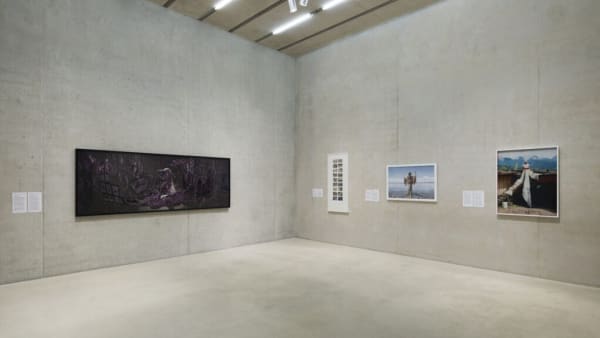


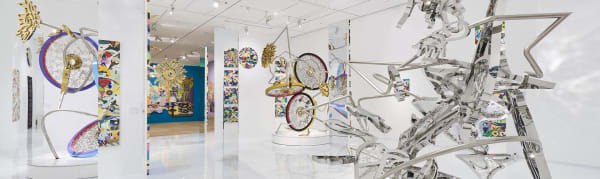


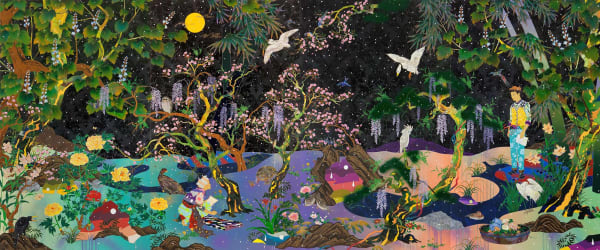
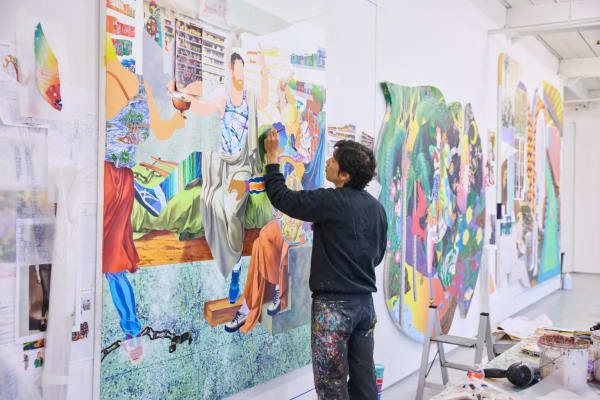




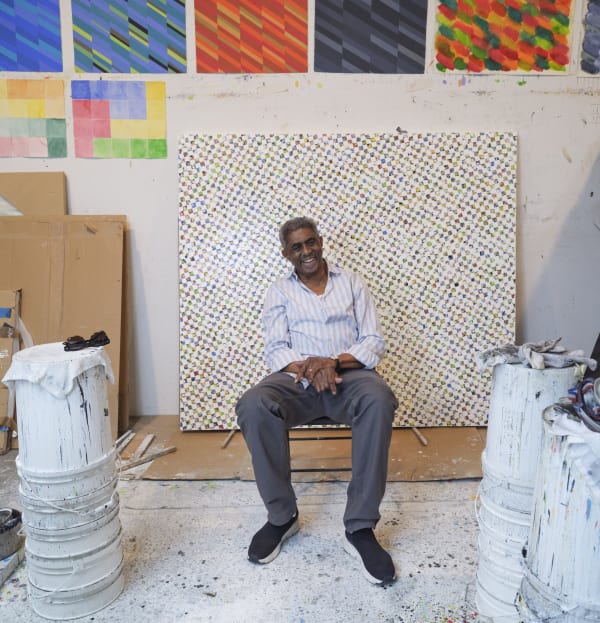

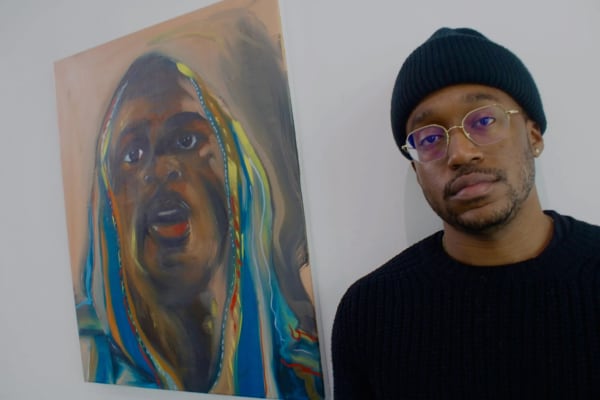
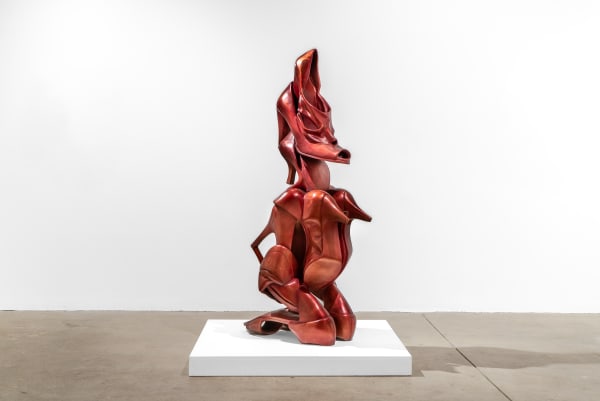


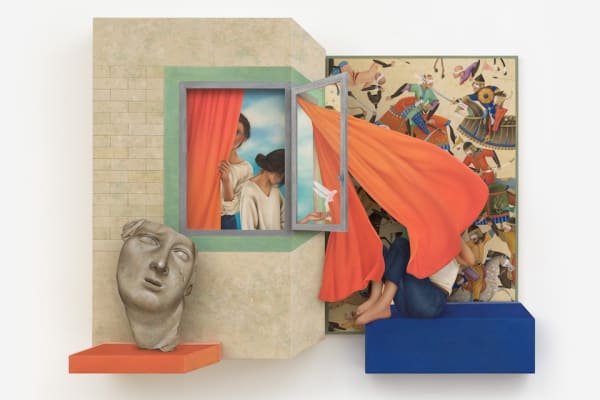
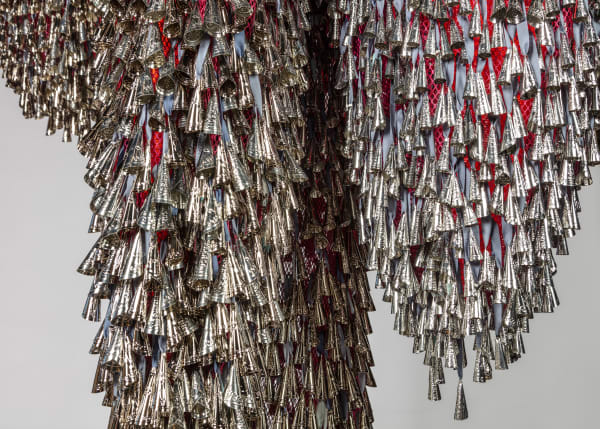
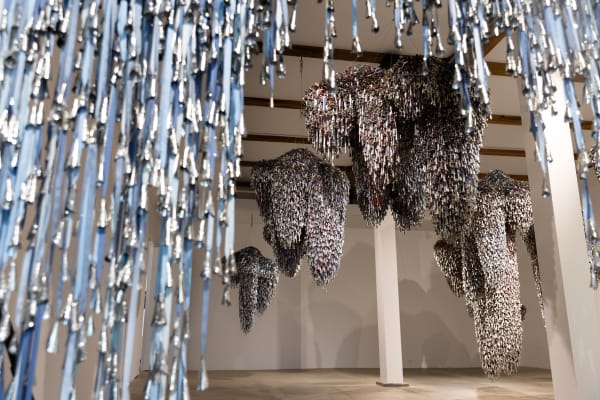

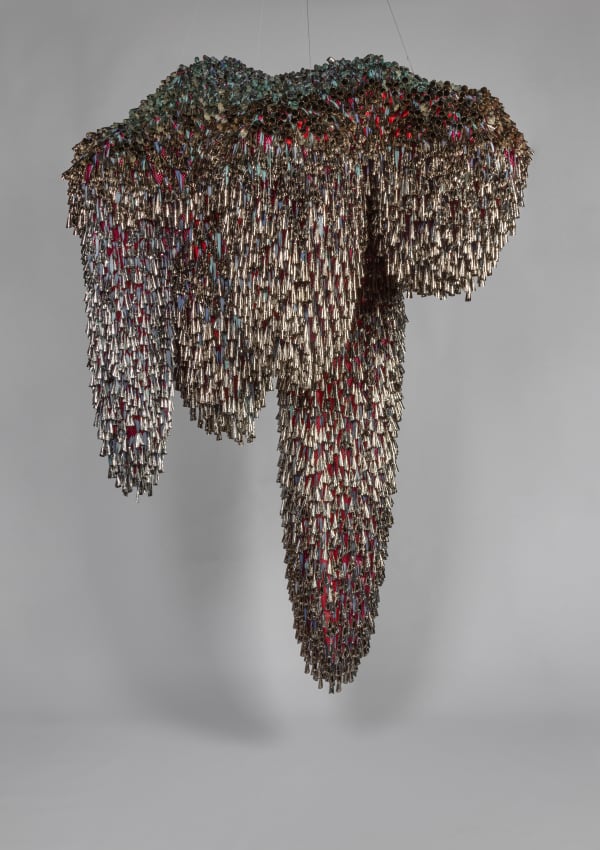


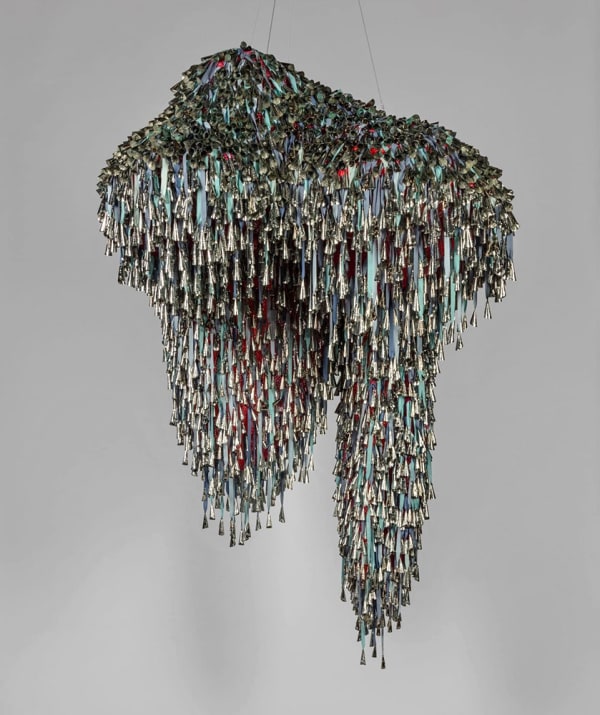


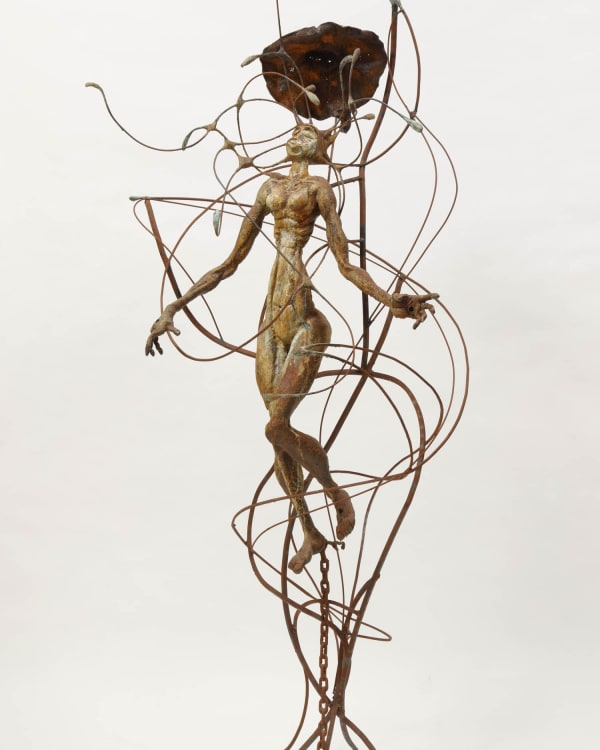
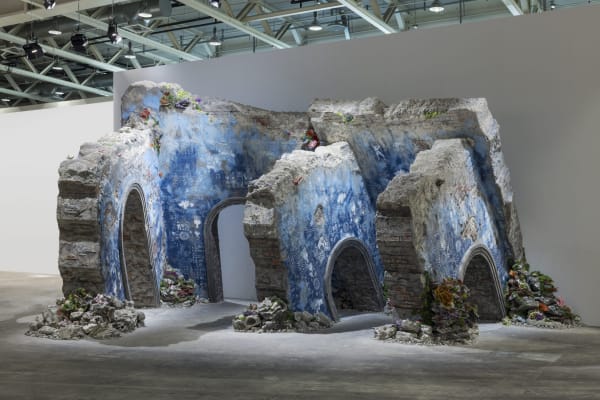

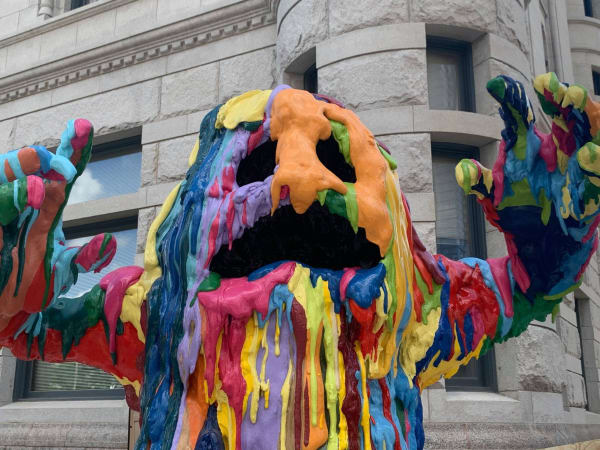
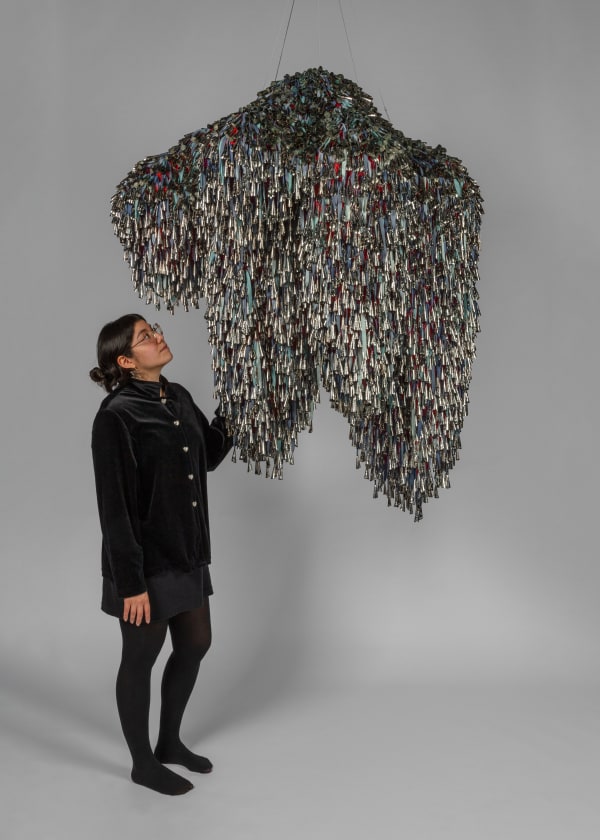


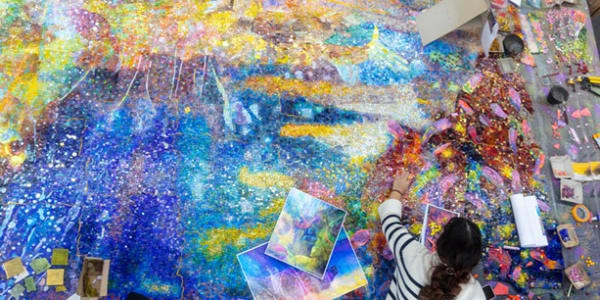


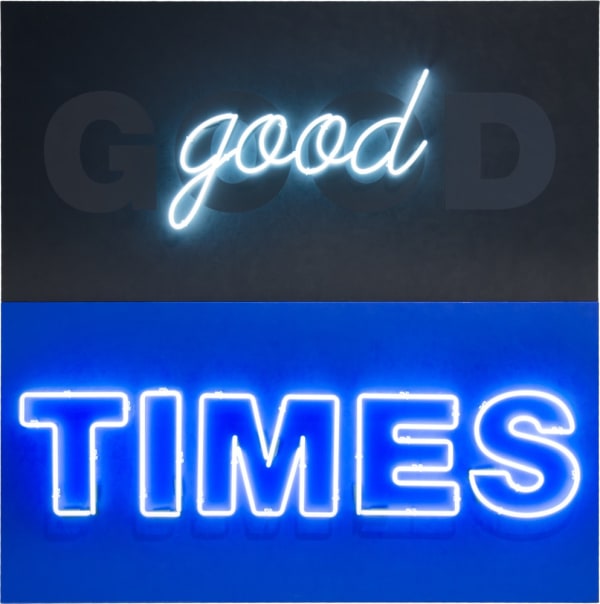


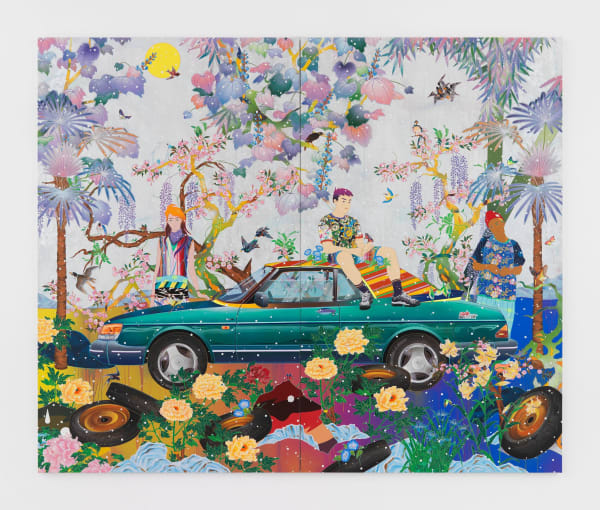
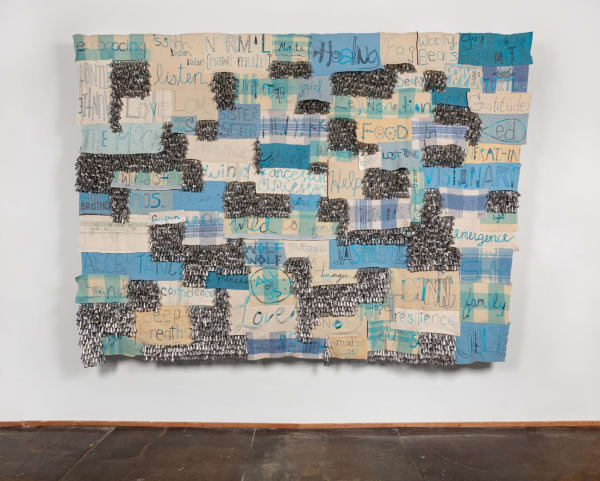

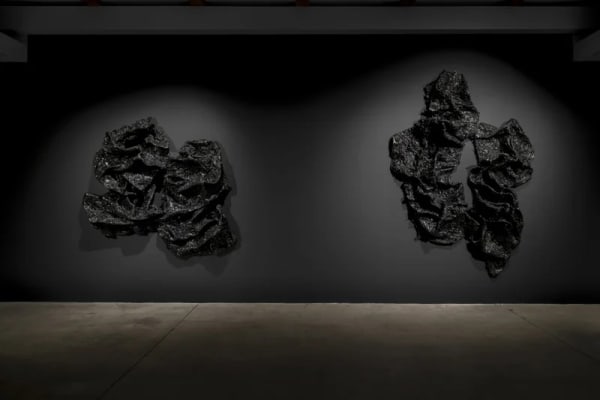
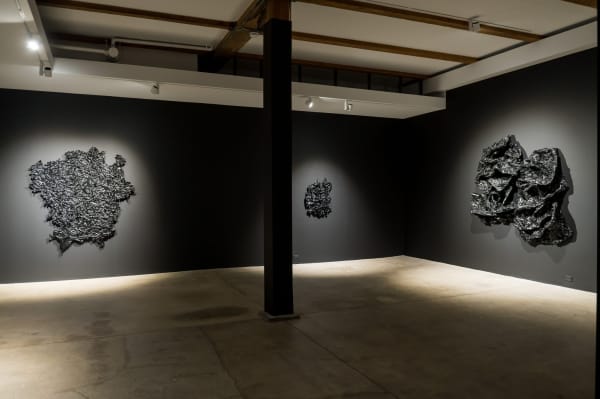


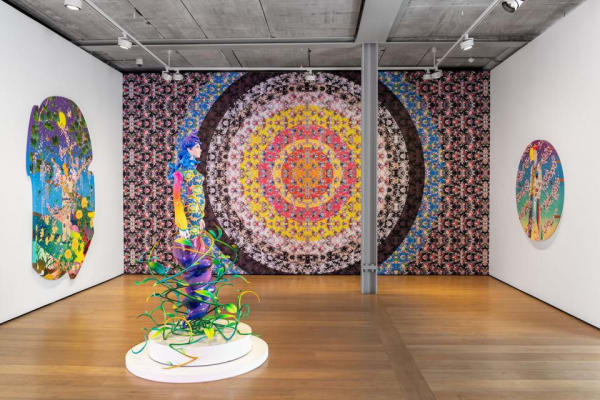

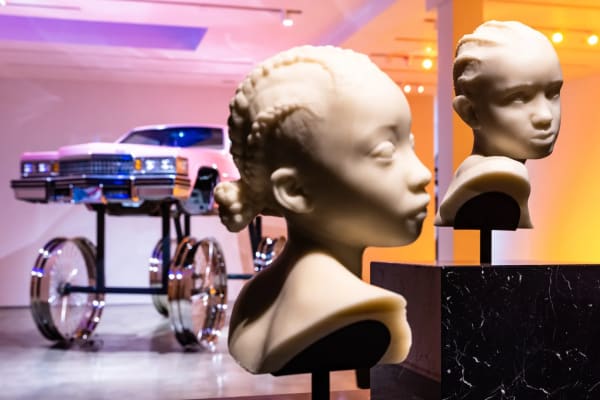
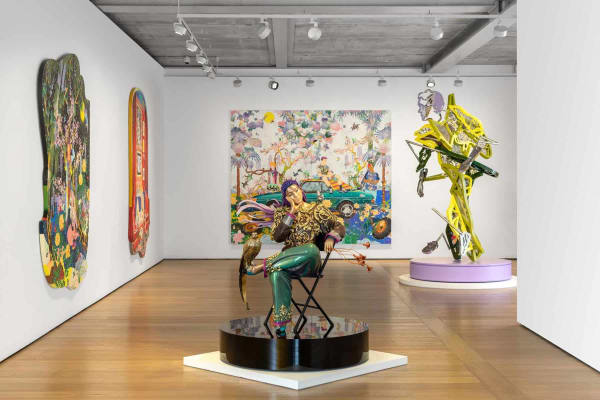
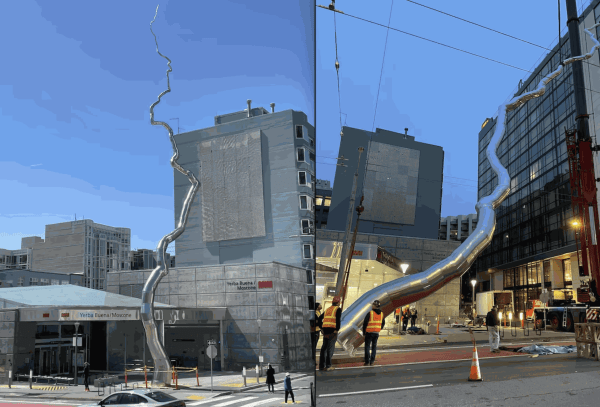
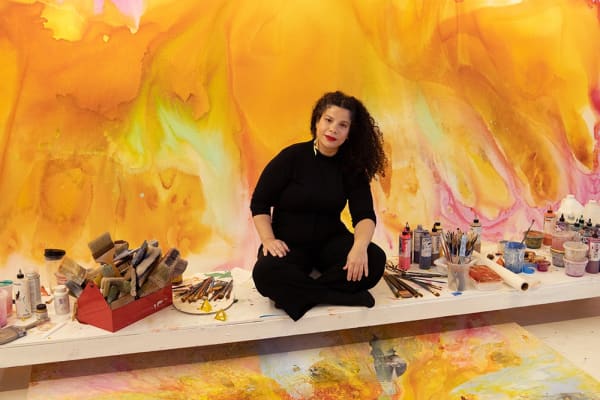
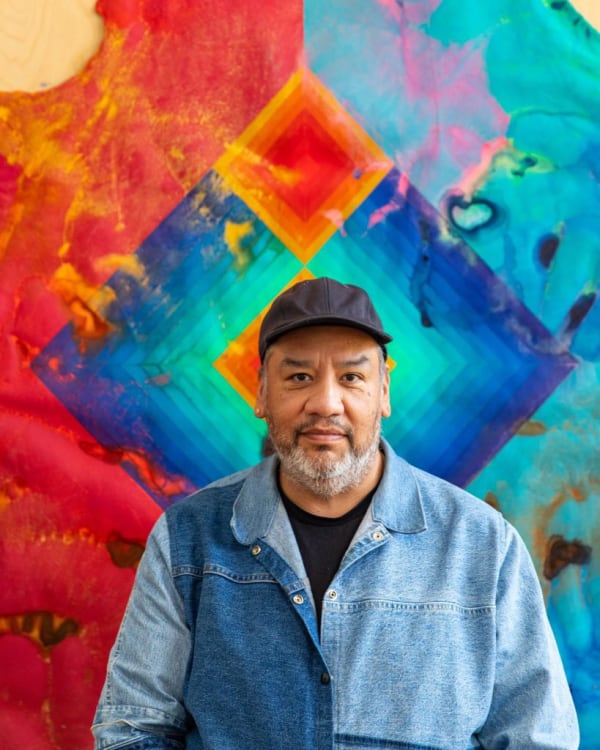

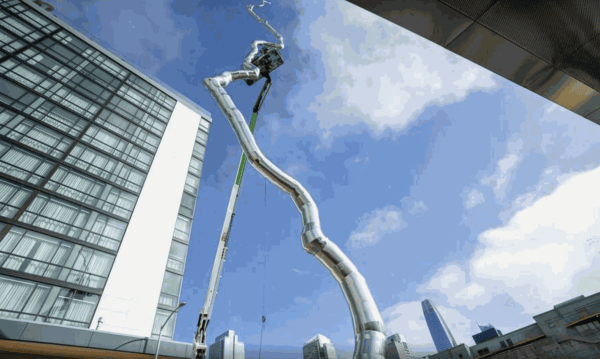
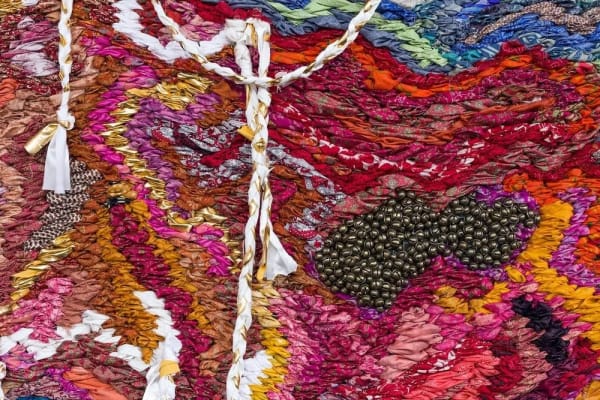

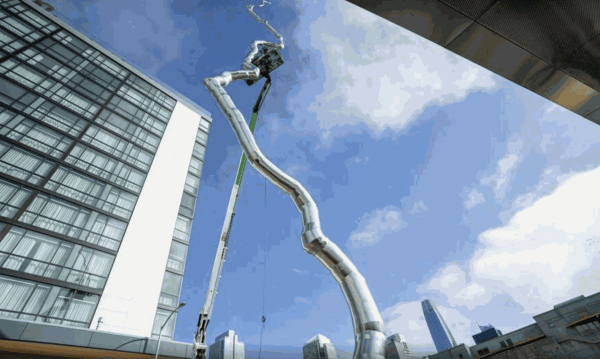

![Eye by Chicago-based artist Tony Tasset at the sculpture garden across the street from The Joule Hotel on Main Street in Dallas. [File photo: photography by Mei-Chun Jau/Dallas CVB]](https://artlogic-res.cloudinary.com/w_600,c_limit,f_auto,fl_lossy,q_auto/ws-kavigupta/usr/images/press/main_image/items/79/79015628e8e34b328859a1a9cc50598a/eye-tasset.jpeg)